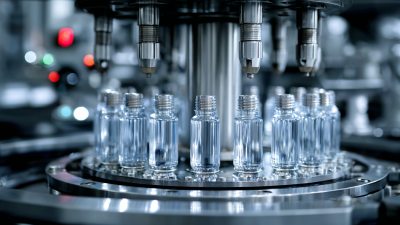
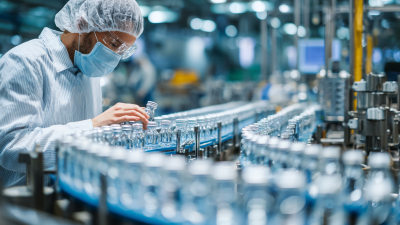
The pharmaceutical industry is changing at a pretty quick pace these days. Looking ahead to 2026, it's clear that advancements in pharmaceutical packaging equipment will really start to shape how products get to us. Companies like Siemens and Marchesini Group are at the forefront, pushing the boundaries with new innovations. They’re really zeroing in on automation, making things more efficient, and trying to keep sustainability in mind.
Of course, today’s equipment has to meet some pretty tough regulatory standards. But let’s be honest—lots of manufacturers find this compliance stuff pretty challenging. Luckily, integrating new technology can make things easier. With smart systems and real-time monitoring, maintaining quality control becomes way more manageable. Still, not every company is jumping on these tech trends just yet.
From the consumer side, folks want more than just good packaging—they want safety and full transparency. Unfortunately, many brands aren't great at communicating these benefits or building trust through their packaging. Bridging this gap is going to be key for success down the line. The future of pharmaceutical packaging equipment is definitely exciting, but it’s not all smooth sailing. To tackle the hurdles ahead, industry players will need to get creative and stay dedicated.
The pharmaceutical packaging equipment landscape in 2026 is rapidly evolving. Data shows that the global market is expected to reach $33 billion by the end of this year. This growth reflects increased demand for more sophisticated and effective packaging solutions. The focus is on enhancing safety and efficiency, especially in drug delivery systems.
Sustainability is now a priority. Reports indicate that 45% of companies plan to invest in eco-friendly materials. This shift is important for compliance and consumer preferences. However, challenges remain in sourcing sustainable materials at scale. Not all manufacturers are equipped to make these transitions smoothly. There’s a need for innovation in biodegradable options that maintain product integrity while minimizing environmental impact.
Automation is driving change within the industry. Many companies are adopting advanced robotics to streamline operations. Current studies suggest that automated systems can reduce labor costs by up to 25%. Yet, reliance on technology raises concerns about cybersecurity and data protection. As more devices connect to the internet, potential vulnerabilities cannot be overlooked. Adapting to these advancements while ensuring safety is a delicate balance that requires ongoing evaluation.
In the pharmaceutical packaging sector, emerging technologies are reshaping the landscape.
Automation and robotics are making processes faster and more efficient.
These systems help reduce human error, but implementation can be challenging.
Workers need training to adapt, and initial costs can be high.
Moreover, smart packaging is gaining traction.
Sensors embedded in packages monitor conditions like temperature and humidity.
These improvements ensure product integrity and enhance safety.
Yet, integrating sensors into existing systems poses hurdles.
Compatibility issues can slow down adoption, revealing areas that need further exploration.
Sustainability is also a pressing focus.
Biodegradable materials are being developed as alternatives to conventional plastics.
While these materials show promise, they often come with performance trade-offs.
The right balance between sustainability and functionality remains a question.
Stakeholders must continuously evaluate their options to meet regulatory requirements and consumer expectations.
Sustainability is a growing concern in the pharmaceutical packaging sector. Many manufacturers are shifting towards eco-friendly materials. Biodegradable plastics and recycled papers are gaining popularity. These materials can reduce waste significantly. However, challenges remain. Not all sustainable options offer the same protection for medicines.
New innovations are emerging to address these concerns. Some companies are exploring plant-based materials that are both strong and renewable. Others are using smart technologies to optimize packaging sizes, which can cut down on excess materials. Yet, it’s vital to ensure these solutions do not compromise on safety and efficacy.
The road to sustainability is filled with hurdles. Finding the right balance between environmental responsibility and product protection is crucial. The industry must continuously evaluate and adapt its practices to meet both regulatory standards and consumer expectations. In this dynamic landscape, reflection and improvement will be key to advancing sustainable pharmaceutical packaging solutions.
The integration of Internet of Things (IoT) in pharmaceutical packaging is transforming the industry. A report from MarketsandMarkets indicates that the smart packaging segment is expected to reach $53 billion by 2026, reflecting a significant shift. This growth is driven by the demand for more efficient tracking and monitoring solutions. Smart packaging enables real-time data collection about medication storage conditions. This reduces waste and improves supply chain efficiency.
IoT solutions help in monitoring temperature and humidity levels. This is crucial for sensitive drugs that require specific storage conditions. According to a recent study, 30% of pharmaceuticals are wasted due to improper handling. Smart packaging can significantly mitigate this issue. However, challenges remain. Not all manufacturers are equipped to implement these technologies. The costs and the need for training can be barriers.
Additionally, data security poses a major concern. As the industry evolves, protecting sensitive information becomes imperative. Industry stakeholders must navigate these challenges carefully. The balance between technological advancement and practicality is essential. As demand for smart packaging grows, reflection on these issues becomes crucial.
The regulatory landscape significantly shapes pharmaceutical packaging innovations. In 2026, compliance remains a primary driver for equipment advancements. A report from the International Society for Pharmaceutical Engineering indicates that 48% of companies prioritize regulatory compliance in their packaging strategies. As regulations tighten, packaging must adapt swiftly.
It's crucial to integrate features that enhance traceability and ensure quality. For instance, serialization requirements can complicate design. Companies are challenged to incorporate barcodes or RFID in packaging. This adds layers of complexity and potential delays. Yet, failure to adapt could lead to severe penalties and lost market access.
Furthermore, new materials are being evaluated for safety and effectiveness. Regulatory bodies scrutinize these materials for patient safety. According to a recent market analysis, 35% of packaging innovations focus on sustainable, compliant materials. Manufacturers must balance eco-friendly solutions with stringent regulations. The path isn't straightforward, leading to frustrating incidents of rejection that could have been avoided with better foresight.
The pharmaceutical packaging sector faces significant challenges in adapting to new technologies. A recent report indicates that 70% of companies struggle with integrating automated systems. This is partly due to the complexity of modern machinery. Many firms lack the necessary training for staff. As a result, they face operational inefficiencies that impact overall productivity.
Furthermore, regulatory compliance remains a daunting task. A survey revealed that 65% of industry leaders feel overwhelmed by changing regulations. These shifts require constant updates to packaging materials and processes. Companies often find themselves reactive rather than proactive in their approach. This creates a gap in aligning with best practices. Furthermore, investments in cutting-edge technology can be prohibitively high, leaving many organizations hesitant.
Embracing sustainability adds another layer of complexity. Despite a growing trend towards eco-friendly solutions, only 40% of firms have adopted green packaging practices. This reluctance can delay advancements. The integration of smart packaging, while full of potential, demands a strategic vision that many companies lack. These challenges highlight the ongoing need for reflection and adaptation in an evolving market.
The evolution of pharmaceutical packaging equipment is crucial for meeting strict industry standards and consumer expectations. A recent report by Grand View Research indicates that the global pharmaceutical packaging market is projected to reach $195 billion by 2026. This growth highlights the urgent need for innovative packaging solutions that enhance drug safety and efficacy. For instance, smart packaging technologies are making significant strides. These innovations help track medication use, reducing the risk of errors.
However, challenges persist. Many manufacturers struggle with integrating advanced technology into existing systems. The complexity of operations can lead to inefficiencies that impact productivity. A study by Mordor Intelligence noted that over 40% of pharmaceutical companies cite difficulties in adopting automated solutions. This gap in technology adoption can hinder progress in the industry. As companies look to the future, strategies for seamless integration must be a priority.
Sustainability is another key focus area. Reports show a growing demand for eco-friendly packaging. According to Market Research Future, the sustainable materials market is expected to grow at a CAGR of 9.5% by 2025. Companies must rethink packaging choices to reduce environmental impact. Innovations like biodegradable and recyclable materials present exciting opportunities but require careful consideration. Balancing sustainability with cost-effectiveness remains an ongoing challenge for many players in the pharmaceutical sector.
When selecting an automatic blister packing and cartoning machine for your manufacturing needs, it is essential to consider the composition and efficiency of the production line. Typically, a well-integrated system features a blister machine, a cartoner, and a labeller, each playing a crucial role in the packaging process. The blister machine is responsible for forming the blister packs, which are vital for protecting and displaying products in a visually appealing manner. Careful calibration and configuration of this machine can ensure optimal production speed and quality.
Following the blistering process, the cartoner takes center stage, automatically packaging the blister packs into sturdy cartons. This step is critical as it enhances the product's shelf life and makes it easier for distribution. Investing in a reliable cartoning machine that can handle various sizes and styles of cartons will significantly streamline your operations. Additionally, the integration of a labeller in the line is imperative; it ensures that each carton is accurately labeled, meeting regulatory standards and enhancing product identification for consumers.
By carefully evaluating these components and their compatibility within your production line, you can select a solution that not only meets your current manufacturing needs but also allows for future scalability. A comprehensive understanding of each machine’s functionality and its impact on the overall process will enable you to make informed decisions that lead to increased efficiency and productivity in your operations.
: The product aims to enhance user experience and provide convenient solutions.
Follow the instructions provided. Use it in a safe environment for best results.
Yes, avoid direct contact with water. Keep it out of reach of children.
High-quality materials are used for durability and effectiveness. Details may vary by model.
Clean it with a damp cloth. Do not use harsh chemicals or abrasive tools.
Check the user manual. If issues persist, contact support for assistance.
Yes, the product usually comes with a limited warranty. Check the accompanying documentation.
Return policies may apply. Ensure you read the return conditions carefully.
Some users may experience minor issues. It’s essential to monitor how you feel after use.
Usage frequency depends on individual needs. Overuse may not yield better results.
The article explores the evolving landscape of Pharmaceutical Packaging Equipment as of 2026, emphasizing key trends and innovations that are transforming the sector. Emerging technologies, such as automation and advanced materials, are driving significant advancements in packaging solutions. Sustainability has become increasingly vital, with a focus on eco-friendly materials and practices in the pharmaceutical industry.
Additionally, the integration of smart packaging solutions, powered by IoT, enhances tracking and monitoring capabilities, ensuring product integrity. However, the industry must navigate regulatory impacts and address challenges in adopting new technologies to stay competitive. The future outlook suggests a continual evolution of Pharmaceutical Packaging Equipment, aimed at improving efficiency, sustainability, and compliance in a rapidly changing market.