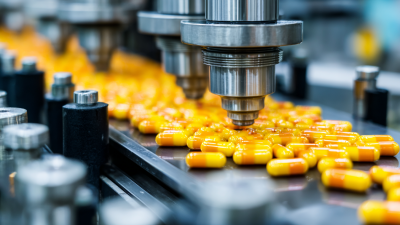
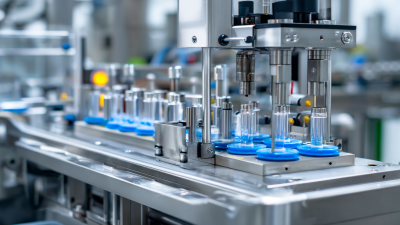
Aseptic capping machines are pretty important in industries like food and pharma. They help make sure that products get sealed in a sterile environment, which pretty much stops contamination in its tracks. I remember James Carter from SteriSeal Technologies mentioning that these machines are absolutely key when it comes to keeping products safe and intact. I guess that really shows just how vital they are in today’s market.
What’s really cool is that these machines use some pretty advanced tech to cap containers without breaking that sterile barrier. They work in a closed system, which cuts down on exposure to air and any outside nasties. That’s super important for stuff like juices and vaccines, where purity isn’t something you mess around with.
That said, these machines can be pretty complex. Keeping them in tip-top shape means regular maintenance and calibration—miss that, and things could go south fast. Even a small mistake could end up causing big problems. So, companies really need to invest some time and resources into training their staff and looking after these machines. It’s essential if they want to keep production running smoothly and make sure the products stay top quality. Thinking about these little details can really make a huge difference in the long run.
Aseptic capping machines are essential in the packaging of sensitive products. They play a crucial role in preserving the integrity of liquids that require sterile conditions. These machines seal containers by applying a cap under controlled environments. This prevents contamination, ensuring product safety and extending shelf life.
The operation of an aseptic capping machine involves multiple steps. After filling, containers move to the capping station. Here, the machine uses sterilized caps and clean air to prevent any microbial growth. The sealing process is fast, but precision is key. If the cap is not applied correctly, leakage may occur. This could compromise the product's quality.
While these machines offer high efficiency, they require regular maintenance. If not properly managed, they can lead to production delays. Regular checks are necessary to ensure all components function smoothly. This reflects the importance of human oversight in automated processes. Balancing automation and careful monitoring is vital in achieving optimal results.
| Feature | Description | Benefits |
|---|---|---|
| Sterility | Maintains a sterile environment during capping to prevent contamination. | Ensures product safety and compliance with health regulations. |
| Automation | Fully automated system for high-speed capping. | Improves efficiency and reduces labor costs. |
| Adjustability | Can be adjusted to accommodate various bottle sizes and cap types. | Versatile solution for different product lines. |
| Quality Control | Integrated sensors for detecting cap integrity and placement. | Reduces the risk of defective products reaching consumers. |
| Maintenance | Designed for easy cleaning and maintenance protocols. | Minimizes downtime and extends machine lifespan. |
Aseptic capping plays a crucial role in modern packaging, especially for sensitive products. Research indicates that improper capping can lead to contamination rates as high as 25%. This poses a significant risk to product safety and quality. Aseptic capping machines effectively seal containers while maintaining a sterile environment, reducing exposure to harmful bacteria.
In industries such as food and pharmaceuticals, maintaining sterility is non-negotiable. A study found that up to 30% of product recalls are due to packaging failures. Aseptic capping addresses these challenges by utilizing advanced technology. For instance, they often employ heat or chemical sterilization methods before sealing, ensuring a secure, contamination-free environment.
Tips: Always verify that capping machines are calibrated regularly. This reduces the chance of errors during sealing. Monitor the temperature and pressure settings consistently for optimal results. Relying solely on machinery can lead to oversight—regular manual checks are essential for maintaining standards.
Aseptic capping machines are crucial in ensuring product safety and sterility. These machines are designed to cap products in a sterile environment, preventing contamination. The key components of aseptic capping machines include the capping head, container handlers, and sterile air systems.
The capping head is responsible for securing the caps onto containers. Typically, it uses various techniques such as screw capping and snap-on capping. Data shows that improper capping can lead to a 20% rate of product spoilage in some industries. Container handlers ensure that each container is positioned correctly, reducing the risk of misalignment, which can cause leaks or contamination.
Sterile air systems play a vital role in maintaining a clean environment. These systems filter the air, removing pathogens while protecting the products during the capping process. Research indicates that a well-functioning sterile air system can decrease microbial contamination risks by up to 90%. However, the effectiveness of these systems heavily relies on regular maintenance and monitoring, which can often be overlooked. Regular checks are necessary to ensure optimal performance and safety in production.
Aseptic capping machines play a crucial role in the food and beverage industry. They ensure that containers are sealed in a way that keeps products safe and fresh. These machines work by integrating sterilization processes to eliminate harmful bacteria. The entire process begins with the sterilization of the container's opening. This is often done using heat or chemical agents.
Once the container is prepared, the aseptic capping machine places a cap securely on top. Sensors monitor the positioning to ensure accuracy. A poorly placed cap can lead to contamination. After capping, the machine performs a final check. It verifies the seal's integrity before the product is ready for shipment.
These machines can be complex. However, adjustments may be needed to optimize performance. Regular maintenance is essential to avoid breakdowns. Operators must be well-trained to handle any potential issues. In some cases, speed can compromise quality. Finding the right balance is vital for operational success.
Aseptic capping machines play a vital role in the beverage and food industry. They ensure products remain free from contaminants during sealing. There are various types of aseptic capping machines available, each designed for specific needs. Some of the common types include rotary capping machines, inline capping machines, and cap placement machines. Each type has unique operational features catering to different production environments.
Rotary capping machines are known for their high-speed capabilities. They efficiently handle a wide range of products. Reports suggest they can operate at speeds of up to 600 bottles per minute.
Inline capping machines are versatile and suitable for medium production levels. They offer easier integration into existing production lines. According to industry studies, their efficiency can reduce labor costs by 20% in small to medium-sized operations.
Cap placement machines focus on accurate capping. They are particularly important for sensitive products. These machines help maintain product integrity while ensuring the caps are securely placed. However, challenges remain. Not all machines handle every cap type effectively, leading to product losses. Many operators continually assess their systems to optimize efficiency and reduce waste.
Aseptic capping machines play a vital role in several industries, particularly in food and beverage. In 2022, the global aseptic packaging market was valued at approximately $54 billion. Experts predict it will grow at a compound annual growth rate (CAGR) of 9.7% from 2023 to 2030. This highlights the increasing importance of maintaining product safety and extending shelf life. Aseptic capping helps preserve flavors and nutrients without compromising quality.
In the pharmaceutical sector, aseptic capping is essential for ensuring sterility. Many companies report a 40% reduction in contamination rates when using advanced aseptic techniques. These machines create a sterile environment during the capping process, reducing the risk of product spoilage. However, it's crucial to implement rigorous quality checks, as even minor errors can lead to significant losses or health risks.
Dairy products also benefit greatly from this technology. The use of aseptic capping can keep products fresh for months. Nonetheless, challenges remain. Equipment malfunctions or improper maintenance can lead to product recalls. In a sector where customer trust is key, companies must prioritize regular audits and employee training to mitigate risks effectively.
Aseptic capping machines play a crucial role in maintaining the sterility of packaged products. They carefully seal containers that hold sensitive materials, like juices or medications, preventing contamination. This technology has become a game-changer in the food and pharmaceutical industries, with a reported reduction of spoilage rates by up to 30%.
Implementing aseptic capping technology offers numerous benefits. It enhances product shelf life, allowing items to remain safe for consumption longer. Research shows that products sealed using this method can last up to 12 months without refrigeration. This significantly reduces waste and saves money. Furthermore, it ensures products maintain their flavor and nutrient quality, which is essential for consumer satisfaction.
Tips: Regular maintenance of these machines is vital. Even minor malfunctions can compromise product integrity. Training staff in best practices is essential. A poorly executed sealing process might lead to contamination, which can be detrimental. Always monitor the performance of the capping line. Remember to gather data on spoilage trends for continual improvement. An informed approach fosters better outcomes and enhances brand credibility.
: Contact customer service. They can provide updates. Delays happen sometimes due to various reasons.
Changes can be tricky. If your order hasn't been processed, reach out quickly.
Typically, items can be returned within a specific time frame. Ensure items are unused and in original condition.
You’ll receive a tracking number via email. Use it on the courier's website to see delivery status.
Take photos of the damage and report it. Damage claims need evidence to process properly.
Review your order summary carefully. Sometimes, shipping or handling fees may apply unexpectedly.
Canceling can be complex. If you act fast, you might succeed. Time is essential in this case.
Click the "Forgot Password" link. Follow the instructions to reset it easily. Make sure to check your email.
Yes, customer support is available. They can assist with various inquiries, but wait times may vary.
Sharing feedback can help improve services. It’s important for companies to hear customer experiences.
Aseptic Capping Machines are essential devices used in the packaging process to ensure the integrity and sterility of products, particularly in the food and pharmaceutical industries. These machines utilize advanced technology to cap containers in a sterile environment, which prevents contamination and extends shelf life. The importance of aseptic capping lies in its ability to maintain product quality and safety, making it a critical component of modern packaging solutions.
These machines consist of several key components, including sterilization systems and precise capping mechanisms, designed to operate efficiently and effectively. Various types of Aseptic Capping Machines are available, tailored to meet the demands of different industries. The applications of this technology are vast, as it is utilized in diverse fields ranging from beverages to medical supplies. Overall, the benefits of using Aseptic Capping Technology include enhanced product protection, improved operational efficiency, and compliance with stringent health regulations, making it a vital investment for manufacturers.