


The way things are made is seriously changing right now, and Automated Filter Tube Production is really leading the charge. As industries push for more efficiency and precision, automating these processes has proven to boost production, cut down on labor costs, and even minimize mistakes. If you check out the latest report from MarketsandMarkets, they say the global filtration market might hit around $64.86 billion by 2026. That just goes to show how important advanced manufacturing techniques are becoming to meet the ever-increasing industry standards.
Dr. Michael Thompson, who’s kind of a big deal in filtration tech, really drives this point home. He mentioned, “Automated Filter Tube Production isn’t just a passing trend; it’s a game-changer that’s setting new standards for quality and efficiency across the board.” That really hits the mark — everyone’s starting to see how automation isn’t just about speeding things up, but also about making products last longer and work better. As demand for different kinds of filters keeps climbing, being able to automate production is pretty much a must for companies that want to stay competitive in this fast-paced market.
In this article, we’re gonna dig into how Automated Filter Tube Production is transforming industry standards — from making operations smoother, to boosting product quality, and even helping out with sustainability goals. Moving forward, integrating these kinds of cutting-edge tech is going to be key for manufacturing. And for anyone involved in the supply chain, understanding what these changes mean is more important than ever.

The Rise of Automated Filter Tube Production in Modern Manufacturing
The rise of automated filter tube production is really shaking things up in the food and beverage filtering world. These days, industries are turning more and more to automated systems because they offer a huge boost in efficiency and precision. It’s not just about speeding things up—these systems also improve the quality of the final product, which is super important given how much demand there is for top-notch filtration solutions. You’ll notice that the market is diversifying quite a bit too, with new types like HEPA, ULPA, and a variety of cartridge filters coming into play, all thanks to tech advancements and what consumers are looking for.
Looking ahead, between 2026 and 2035, it’s expected that the hydraulic market will hit around $45.33 billion, growing at a steady rate of over 3.2% each year. That growth mainly comes down to smarter automation and better integration techniques, which are helping tackle some pretty tricky installation challenges. As these automated processes keep getting better, they’re set to become even more crucial for meeting the high standards for efficiency and sustainability that modern manufacturing demands. It’s pretty clear they’re going to be a key part of how things evolve in the industry moving forward.


Innovative Solutions for Efficient Mini Vacuum Blood Collection Tube Production Lines
The demand for mini vacuum blood collection tubes is rising rapidly, driven by advancements in medical diagnostics and home healthcare. Innovative production lines are crucial for keeping pace with this growing need, ensuring not only efficiency but also quality in manufacturing. Modern systems for producing blood collection tubes integrate several critical steps, including tube loading, chemical dosing, drying, stoppering, vacuuming, and tray loading. These processes are designed for seamless operation, significantly enhancing productivity while maintaining rigorous safety and quality standards.
According to recent industry reports, the global blood collection tubes market is projected to reach USD 3.5 billion by 2025, growing at a CAGR of 6.5%. To capitalize on this growth, manufacturers are increasingly investing in advanced production lines that incorporate individual PLC and HMI controls. This technological integration allows for easy and safe operation, enabling just one or two workers to manage the entire production line effectively. Such efficiency not only reduces labor costs but also minimizes the potential for human error, ensuring that each tube meets the stringent requirements set forth by health regulators.
As the healthcare landscape evolves, the shift towards automation in blood collection tube production isn't merely a trend—it's a necessity. With automated systems, companies can achieve consistent output quality while responding swiftly to market fluctuations. By adopting these innovative solutions, manufacturers can position themselves at the forefront of the industry, enhancing their competitiveness and ensuring the availability of reliable blood collection tools that healthcare providers depend on.

FAQS
: The key technologies include cutting-edge robotics, AI-driven quality control systems, and advanced metrology tools, all of which optimize production lines and enhance efficiency.
Automation streamlines the manufacturing process, reducing production time and minimizing waste, leading to lower operational costs and higher productivity.
Automated systems ensure high precision and consistency in production, decreasing the likelihood of errors and improving overall product quality, which enhances customer satisfaction.
Automation reduces waste and resource consumption by optimizing processes, leading to more precise manufacturing with higher quality products and fewer defects, thus benefiting the environment.
Companies should conduct a thorough assessment to identify areas for improvement, invest in energy-efficient machinery, and provide training for employees on new technologies.
By automating inventory management and production scheduling, companies can lower transportation emissions and energy consumption, contributing to a more sustainable business model.
While automation streamlines processes, it also leads to the creation of new manufacturing jobs as industries adapt to modern technologies.
Automation allows manufacturers to respond swiftly to market demands, enabling faster production rates and a competitive edge.
Manufacturers recognize that automation enhances production capabilities, leading to improved efficiency, scalability, and overall competitiveness in the market.
Conclusion
The article titled "Unraveling the Future: How Automated Filter Tube Production is Changing the Game" takes a pretty interesting look at how automation is really shaking up the filter tube manufacturing world. It points out that automated filter tube production has become a go-to solution in today’s fast-paced manufacturing scene, highlighting some of the coolest tech that’s making all this possible. By bringing in top-notch automation systems, companies are not only saving a bunch of money and ramping up productivity, but they’re also improving quality control—meaning the products are more reliable than ever.
Plus, the piece touches on what’s coming next in filter tube automation. It’s exciting to see how these new developments will keep pushing the industry forward. Sustainability is also a big deal here—automation isn’t just about efficiency anymore; it’s about being kinder to the environment too, which is a huge plus given the global move towards greener ways of doing things. Companies like Shanghai IVEN Pharmatech Engineering Co., Ltd. are leading the charge, transforming how pharmaceutical and medical equipment are made with cutting-edge automated tech. It’s pretty fascinating to see how all these pieces are coming together to reshape the manufacturing landscape.
Related Posts
-

Top Strategies for Ensuring the Validation of Capsule Filling Machines in Pharmaceutical Production
-
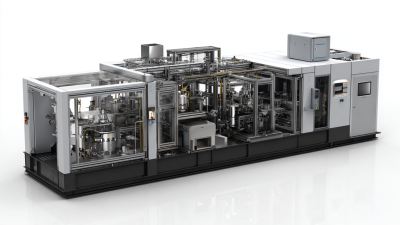
Exploring After-Sales Service Benefits and Future Innovations in Dry Powder Filling Machinery
-

Ultimate Checklist for Selecting the Right Vial Filling Equipment
-

7 Essential Tips for Choosing the Right Blow Fill Seal Manufacturers for Your Business
-
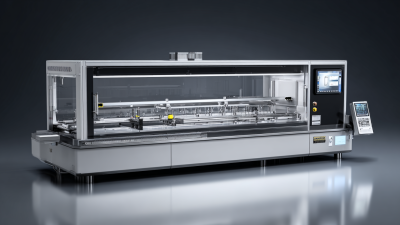
Innovative Solutions for Enhancing Quality Control with Automatic Vial Inspection Machines
-

How Vial Filling Machines Revolutionize the Pharmaceutical Industry: A Closer Look
