


Picking the right China Blow Fill and Seal machine supplier isn’t just about hunting for the lowest price. You really want a partner who can deliver stable output, keep things clean and smooth on the production line, and respond quickly when you need help. Sure, some sellers might give you a shiny, attractive quote, but it’s crucial that the machine actually fits your product, container size, and your production environment—those things matter big time.
In this guide, I’ll walk you through some practical stuff to think about when choosing a supplier. We're talking machine design, how accurate the filling is, consistency of molding, sterilization options, and automated control systems. Experience counts—ask how many similar lines they’ve installed and if they have real, verifiable customer references. Trustworthy manufacturers should be able to clearly explain material compatibility, how long it takes to change over setups, maintenance access, and what kind of production capacity to expect.
Don’t just skim the surface—look closely at the details. Check the weld quality, the tubing connections, control panel logic, and whether spare parts are easy to get. These small things can really impact your daily uptime. Good technical documents should include detailed drawings, utility requirements, validation support, and operator training info. While companies familiar with international quality standards might give you stronger documentation, it’s always smart to verify what they claim.
And let’s be honest—no supplier is perfect. A fancy brochure might hide some limitations, and some specs depend heavily on your product’s viscosity, container design, or local utilities. That’s why it’s a smart move to test your actual samples before making any commitments. Factory visits, video inspections, and structured sample testing can save you from surprises later on.
This overview is primarily aimed at folks in pharma, medical, or other highly regulated packaging areas. It’s not a substitute for professional engineering or regulatory advice. But it does give you a practical way to compare China-based manufacturers more confidently—asking better questions and avoiding costly surprises. Remember, a good decision is based on solid evidence, not just promises.

What Is a Blow Fill And Seal Machine?
What Is a Blow Fill And Seal Machine?
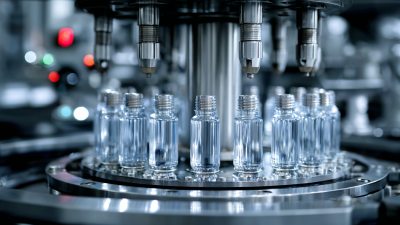
A blow fill and seal machine forms, fills, and seals plastic containers in one continuous process. It uses pharmaceutical-grade polymer pellets, heat, sterile air, and controlled filling nozzles. The machine first molds a container from a plastic tube. It then fills the container before sealing it inside the same enclosed cycle. This design reduces manual handling and limits exposure to airborne particles. According to a 2024 MarketsandMarkets report, the global blow fill and seal market is projected to grow steadily through 2029, driven by demand for single-dose packaging and aseptic production. The figure is useful, but forecasts still depend on regional investment and regulatory changes.
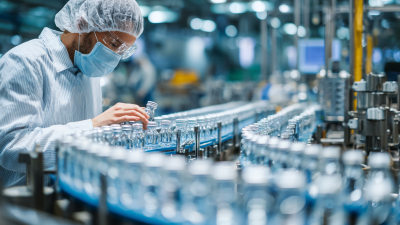
In practical production, operators monitor mold temperature, filling accuracy, particle counts, pressure, and seal strength. A cleanroom may look quiet, yet small variations can affect container integrity. ISPE guidance emphasizes process simulation, environmental monitoring, and documented sterilization controls for aseptic manufacturing. The FDA also expects media fills to challenge realistic, worst-case operating conditions. That means testing is not a simple formality. It should reflect shift changes, line stoppages, and routine interventions. Some suppliers describe high-speed output confidently, but speed alone proves little. I would examine reject rates, validation records, leak-test results, and long-term maintenance data before choosing equipment. The overlooked detail is usability. A machine that is difficult to clean may create avoidable risks.
China Best Blow Fill And Seal Machine Suppliers? - What Is a Blow Fill And Seal Machine?
| Data Dimension | Practical Description | Typical Technical Information |
|---|---|---|
| What is a BFS machine? | A Blow Fill And Seal machine is an automated system that forms a plastic container, fills it with product, and seals it in one continuous production cycle. | Three integrated stages: container forming, product filling, and heat sealing. |
| Basic operating sequence | Thermoplastic resin is melted and extruded as a parison. A mold closes around it, air forms the container, the product is dispensed, and the container is sealed before discharge. | In-line forming, filling, sealing, trimming, and product discharge. |
| Common container materials | The machine must be compatible with the selected polymer, product formulation, and regulatory requirements. | Common thermoplastics include LDPE, HDPE, PP, and selected multilayer structures. |
| Typical applications | BFS technology is used where closed, high-speed, and low-contamination packaging is important. | Ophthalmic solutions, inhalation products, injectable liquids, oral liquids, diagnostic solutions, and selected non-sterile products. |
| Typical fill-volume range | The achievable range depends on the filling system, mold design, product viscosity, and container geometry. | Common BFS formats range from single-dose containers of approximately 0.1 mL to larger containers of several hundred milliliters. |
| Production capacity | Output is determined by the number of cavities, container size, filling volume, cycle time, and product characteristics. | Typical commercial systems may produce from several thousand to tens of thousands of units per hour; actual output requires a machine-specific validation. |
| Sterile production capability | A BFS machine can support sterile manufacturing when combined with suitable cleanroom design, air handling, sterilization, validated procedures, and aseptic controls. | Look for controlled critical zones, filtered air, validated aseptic processes, and documented qualification protocols. |
| Filling accuracy | Accuracy varies according to the dosing principle, product viscosity, temperature stability, and control software. | Confirm the supplier’s tested accuracy and repeatability data for the actual product and target fill volume rather than relying only on general specifications. |
| Common filling systems | The dosing technology should match the liquid’s viscosity, foaming behavior, particle content, and sensitivity to shear. | Piston, time-pressure, peristaltic, and pump-based systems are commonly considered. |
| Main advantages | The integrated process reduces manual handling, minimizes container transfer steps, and can improve production consistency. | Compact process flow, reduced exposure risk, high automation, flexible container design, and lower packaging-component handling. |
| Important limitations | BFS equipment requires specialized molds, validated processes, trained operators, and careful control of resin and product parameters. | Higher initial investment, format-change requirements, polymer compatibility limits, and demanding qualification work. |
| Key utilities | Utility requirements depend on machine size, product type, cleanroom classification, and plant layout. | Electrical power, compressed air, cooling water or chiller capacity, clean process air, vacuum where required, and suitable HVAC support. |
| Supplier evaluation criteria | A reliable supplier should demonstrate technical capability with evidence related to the buyer’s product, container, capacity, and regulatory environment. | Application testing, factory acceptance testing, installation qualification support, spare-parts availability, operator training, and after-sales response time. |
| Documents to request | Technical documents help compare proposals on a consistent basis and reduce the risk of unclear scope or hidden costs. | Layout drawing, utility list, cycle-time data, material specifications, mold details, validation support plan, maintenance schedule, warranty terms, and recommended spare-parts list. |
Note: Capacity, fill-volume, accuracy, and utility figures are typical industry ranges. Final performance should be confirmed through product-specific testing and a detailed technical agreement.
BFS Solutions for IV and Ampoule Manufacturing: Sterile, Efficient, and Scalable Packaging
Blow-Fill-Seal (BFS) technology provides an advanced packaging solution for intravenous (IV) medications and ampoule products. By forming, filling, and sealing each container within a continuous automated process, BFS systems help reduce manual handling and limit the risk of contamination. This integrated approach supports reliable sterile production while maintaining consistent container quality. It is suitable for a wide range of liquid medical products, including injectable solutions that require secure, single-use packaging.
Designed for efficiency and scalability, modern BFS equipment can support streamlined workflows in hospitals, clinics, and pharmaceutical manufacturing facilities. Automated controls help operators manage filling accuracy, sealing performance, and production parameters with minimal training. The compact process can also reduce material waste, simplify packaging operations, and improve overall productivity. Flexible configurations allow manufacturers to adjust output according to demand, making BFS a practical option for both smaller production runs and high-volume manufacturing. Its combination of sterile handling, operational simplicity, and cost-conscious performance helps organizations improve the reliability and accessibility of IV and ampoule products.

FAQS
: It suits sterile eye solutions, inhalation liquids, and unit-dose preparations. Some injectable products may also fit. Material compatibility remains essential.
It forms, fills, and seals containers in one automated process. This reduces manual handling between production steps. Risk still remains.
Teams monitor filling accuracy, mold temperature, air quality, and closure integrity. A small seal defect can damage product quality. Do not ignore it.
Request process drawings, production records, test data, and a factory visit. A virtual visit can still reveal assembly practices. Polished videos are not enough.
Compare fill accuracy, container integrity, particle control, cycle time, and energy use. Check different viscosities, volumes, materials, and container shapes. Real products behave differently.
Review validation support, change control, maintenance instructions, calibration records, and training plans. Factory acceptance testing can expose weak points early. Documentation matters.
Ask for three comparable customer references. Confirm commissioning experience, troubleshooting ability, spare parts, and response times. One reference may not show the full picture.
Yes. A low quotation may exclude tooling changes, validation support, or technical service. Record every promised specification before signing. I might still underestimate hidden costs.
Conclusion
Blow Fill And Seal technology is an integrated manufacturing process that forms containers, fills them with products, and seals them in a continuous, highly hygienic operation. This article explains how the process works, including material forming, accurate dosing, sealing, and automated quality control. It also reviews major machine types, such as systems designed for small-volume containers, larger bottles, and specialized pharmaceutical packaging.
The discussion highlights key applications in pharmaceutical manufacturing, including sterile liquids, unit-dose products, and other controlled formulations. It also outlines how to assess Chinese suppliers by examining engineering capabilities, customization options, production standards, validation support, and equipment reliability. Finally, readers will learn what to consider when purchasing, installing, and operating a machine, including factory acceptance testing, operator training, spare parts, maintenance services, documentation, and long-term after-sales support.
Related Posts
-
Unlocking Efficiency: The Transformative Benefits of Blow Fill Seal Machines in Modern Manufacturing
-
7 Essential Tips for Choosing the Right Blow Fill Seal Manufacturers for Your Business
-

Top 10 Tips for Choosing the Best Vial Filling Line?
-

How to Choose the Right Roll Compactor Manufacturers?
-

Top Tips for Choosing Leak Testing Machine Manufacturers?
-

Top 10 Vial Filling Line Solutions for Global Buyers?
