0%

As the need for better, more efficient drug delivery options keeps growing, the Pen Injector Assembly Line has really become a hot spot for innovation in the industry. I read in a recent report from MarketsandMarkets that the global market for pen injectors is expected to hit around $6 billion by 2026. That’s a pretty big jump, and it just shows how much there's a push for better assembly tech that can speed things up and make production smoother.

Right now, manufacturers are facing some hurdles when it comes to optimizing these assembly lines. Big names like Medtronic and Becton Dickinson are trying out robotic automation to make things run more seamlessly. But here’s the thing—integrating the latest tech isn’t cheap, and it definitely requires a lot of expertise. So, a lot of folks are wondering whether the benefits outweigh the costs.

One thing's clear—paying close attention to every little detail during assembly is crucial. The FDA notes that about 30% of medical device recalls happen because of mistakes made during production. That really emphasizes how important it is for companies to have solid quality control processes in place. Innovation is great, but companies also need to take a good, honest look at their current procedures to make sure everything's safe and compliant. Moving forward, improving these technologies and fixing current issues will be key to making pen injectors safer and more reliable.

2026 Best Pen Injector Assembly Line Technologies Explained?

Overview of Pen Injector Assembly Line Technologies in 2026

2026 Best Pen Injector Assembly Line Technologies Explained?

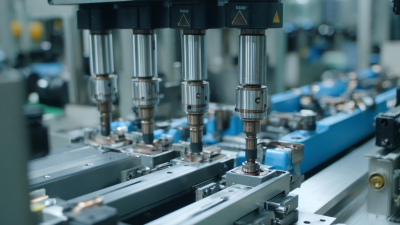
The pen injector assembly line technologies in 2026 showcase significant advancements. Automation is at the forefront, enhancing efficiency and precision. Robotic arms handle delicate components with care. Vision systems ensure quality control by detecting defects in real-time. These innovations reduce waste and increase production speed.

Tips: Consider implementing modular designs in assembly lines. This allows for swift updates to meet new standards. Regular training of staff is essential. A skilled workforce operates machinery effectively.

Flexibility in production is another key aspect. Lines can adapt to different pen sizes and designs. However, challenges remain. Not all manufacturers fully embrace these technologies. Integration into existing systems can be complex. This requires careful planning and resources. Continuous feedback from workers can improve processes.

Key Components of a Modern Pen Injector Assembly Line

The modern pen injector assembly line relies on several key components. First, automated assembly machines are essential. These machines ensure precision and speed. In a recent industry report, it was noted that automation can reduce assembly errors by up to 30%. That’s significant in a field where accuracy is crucial.

Another important aspect is the integration of quality control checkpoints. Regular checks during the assembly process help identify defects early. This can prevent costly recalls later. Research indicates that 20% of manufacturing costs come from defects. Investing in robust quality control can help mitigate these costs.

Finally, advanced tracking systems are becoming vital. They monitor every stage of production. This transparency boosts efficiency and accountability. Some analysts suggest that these systems can increase throughput by as much as 25%. However, the integration of new technologies often faces challenges. There may be resistance from teams used to traditional methods. Balancing innovation with existing workflows is a continuous journey.

Automation in Pen Injector Manufacturing: Benefits and Trends

2026 Best Pen Injector Assembly Line Technologies Explained?

Automation in pen injector manufacturing is transforming the industry. According to a recent report, automation can increase production efficiency by up to 30%. This is crucial as the demand for pen injectors continues to grow, driven by rising chronic diseases globally. The integration of robotic systems allows for precise assembly, reducing human error.

Moreover, automated systems enhance traceability. Each produced injector can be tracked through the manufacturing process. This level of oversight is essential for compliance with health regulations. However, the industry faces challenges. A lack of skilled personnel to manage automated systems is a notable concern. Reports suggest that nearly 40% of manufacturers struggle with this issue.

Investments in automation technology are on the rise. An estimated 25% of manufacturing budgets are now allocated to automation solutions. Despite these advancements, continuous improvement is still needed. Companies must reflect on integration methods to maximize the benefits of their automated lines. This is not an easy task, yet it is vital for future growth.

Quality Control Measures in Pen Injector Production Processes

Quality control is crucial in pen injector production. Each step of the assembly line requires precise attention to detail. Inspecting components ensures they meet strict quality standards. Operators check for defects in syringes, needles, and fluid delivery systems. Any inconsistencies could lead to malfunctions. This could impact patient safety.

Regular testing can be challenging. It demands both time and resources. Quality control measures must balance efficiency with thoroughness. Technicians often face time constraints, leading to potential oversight. Continuous monitoring is essential, but not always feasible. It’s important to reflect on whether current practices are truly effective. Implementing advanced technologies may help improve accuracy in inspections.

Feedback loops from production teams can uncover weaknesses. Encouraging open communication can lead to innovative solutions. Quality processes should be adaptable, evolving with new findings. An ongoing commitment to excellence is vital in pen injector manufacturing. By recognizing areas for improvement, companies can enhance their production strategies.

Data-Driven Insights: Efficiency Metrics for Pen Injector Assembly

In the world of pen injector assembly, efficiency is key. Metrics derived from data analysis can significantly enhance production lines. By tracking cycle times, defect rates, and machine uptime, manufacturers can identify bottlenecks. For instance, a cycle time of 30 seconds seems optimal, yet some lines struggle with consistency.

Analyzing these efficiency metrics offers valuable insights for improvement. For example, if a line shows a defect rate of 5%, it may indicate issues with calibration or material quality. Small adjustments can lead to better outcomes. Additionally, downtime can derail progress. If a machine is unreliable, it can halt an entire production line. This is an area needing reflection and focus.

Investing in advanced monitoring systems may yield dividends. These systems can provide real-time data, allowing for quicker reactions to issues. However, ensuring that staff can interpret this data is equally important. Training might take time, but the payoff could be worth it. Efficiency improvements should not be rushed; they require thoughtful consideration and careful planning.

2026 Pen Injector Assembly Line Efficiency Metrics

Industry Standards and Regulations Impacting Injector Assembly Lines

The assembly of pen injectors must adhere to strict industry standards and regulations. These regulations are crucial for ensuring product safety and efficacy. Each stage of the assembly process requires precision to minimize risks. For instance, contamination during manufacturing can lead to severe consequences. Small errors can result in significant quality issues down the line.

In many regions, regulatory bodies oversee these manufacturing processes. Compliance with Good Manufacturing Practices (GMP) is essential. These practices entail detailed record-keeping and extensive training for personnel. Even minor lapses can lead to severe penalties. It is vital to regularly review and adapt to changing regulations. This can be challenging, as regulations evolve quickly.

Moreover, assembly line technologies must integrate these requirements seamlessly. Automation can enhance efficiency but may also lead to blind spots. Maintenance and regular audit trails are necessary to catch potential issues. The challenge lies in balancing efficiency and compliance. Striking the right balance ensures that the production of pen injectors meets the highest safety standards.

Future Innovations in Pen Injector Technology and Assembly Practices

The future of pen injector technology is set to revolutionize healthcare. As demand for better delivery methods increases, innovation is essential. New materials and designs are emerging, enhancing user experience and efficiency. It's crucial for manufacturers to explore biodegradable materials for sustainability. Developing a biodegradable injector could reduce environmental impact significantly.

Assembly practices are also evolving. Automation plays a critical role. Robots can improve precision and speed in the assembly process. However, this shift presents challenges. Ensuring quality and safety remains paramount. Each pen injector must undergo rigorous testing. Striking the right balance between automation and human oversight is necessary.

Collaboration between engineers and healthcare professionals is vital. Gathering end-user feedback can guide design improvements. With constant technological advancements, keeping pace with user needs is challenging yet essential. Future innovations should focus on real-world applications and patient experiences. Embracing these changes will lead to better, more effective healthcare solutions.

Optimizing the Production of Erythrocyte Sedimentation Rate (ESR) Tube Assembly Line for Enhanced Efficiency and Quality

The optimization of the Erythrocyte Sedimentation Rate (ESR) tube assembly line is a critical factor in enhancing both efficiency and quality in the production of blood sedimentation tubes. Recent studies indicate that the demand for ESR testing has increased significantly, driven by its vital role in diagnosing and monitoring various inflammatory and autoimmune diseases. In 2022, the global ESR test market was valued at approximately $2.7 billion, with expected growth projected at a CAGR of 5.4% through 2028. Such trends underscore the importance of refining production processes to meet escalating healthcare needs.

The highly automated ESR tube assembly line is engineered to streamline the manufacturing process, thereby minimizing human error and maximizing output. Automated systems not only ensure consistent quality but also reduce production time and costs. In a typical setup, automation technologies such as precision dispensing and quality control mechanisms enhance the speed and reliability of the production line. Reports from industry analysts suggest that automating these workflows can improve overall assembly line efficiency by up to 30%, ultimately providing healthcare facilities with a more reliable supply of essential testing equipment.

Investing in enhanced technology for ESR tube production not only supports improved operational effectiveness but also ensures compliance with stringent industry quality standards. Streamlined assembly processes can lead to a significant reduction in defects, which is crucial in maintaining the integrity of test results. As the demand for accurate and reliable ESR testing rises, focusing on optimizing production lines becomes increasingly vital for manufacturers aiming to contribute to public health advancements.

FAQS

: What is the main purpose of this product?

: It aims to enhance daily productivity and organization. Users can manage tasks better.

Who can benefit from using it?

Anyone, including students and professionals, can use it. It caters to various needs.

Are there specific features that stand out?

Yes, features include a user-friendly interface and customizable options. These help tailor the experience.

Can it be used on multiple devices?

Yes, it offers cross-platform access. Users can switch devices seamlessly while maintaining progress.

What if I encounter technical issues?

Users should check the support section or community forums. Solutions are often found there.

Is there a trial period available?

Yes, users can try it free for a limited time. This allows for full exploration of features.

How should the product be maintained?

Regular updates are recommended. Keeping the system updated ensures optimal performance.

What feedback do users often give?

Feedback is mixed. Some praise the design; others find improvements needed in speed.

Can the product be integrated with other tools?

Yes, integration is supported with various tools. This feature enhances overall functionality.

Is there a money-back guarantee?

A policy is in place for dissatisfied users. They can request a refund within a specific timeframe.

Conclusion

The article "2026 Best Pen Injector Assembly Line Technologies Explained" provides a comprehensive overview of the advancements in pen injector assembly line technologies. It highlights key components essential for modern assembly lines, including automation trends that enhance efficiency and reduce production costs. Emphasis is placed on quality control measures that ensure the reliability and safety of pen injectors during manufacturing processes.

Additionally, the article discusses data-driven insights that help measure efficiency metrics critical to optimizing the pen injector assembly line. It also reviews the industry standards and regulations that shape manufacturing practices in this field. Finally, the piece looks ahead to future innovations that promise to further transform pen injector technology and assembly practices, indicating a dynamic evolution in the sector.

Lila

Lila

Lila is a dedicated marketing professional at Shanghai IVEN Pharmatech Engineering Co., Ltd., where she leverages her extensive expertise in pharmaceutical machinery and related equipment. With a keen understanding of the industry and a passion for innovation, Lila plays a pivotal role in promoting......
Previous Exploring 2025's Transformative Trends in Pharmaceutical Manufacturing: How to Optimize Your Vial Filling Equipment

Send your message to us:

Write your message here and send it to us