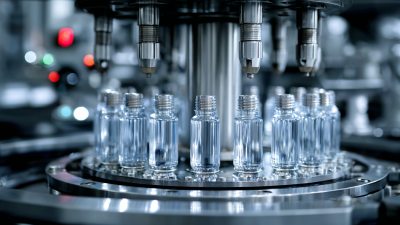
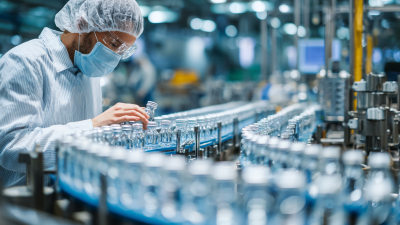
In the fast-moving world of pharmaceuticals, getting things just right is absolutely key. And when it comes to that, Pharmaceutical Liquid Filling Machines really can’t be overlooked. Dr. Emily Roberts, who’s a big name at PharmaTech Solutions, puts it simply: "Speed and accuracy in filling — that’s what can really make or break a product’s success."
These machines are super important because they help ensure medications are filled accurately. If things go wrong and the fill isn’t precise, it can lead to some serious issues. Luckily, the tech in this area keeps improving — making things faster and more exact. Companies are always upgrading their equipment to keep up with the rising demand. For example, now we’ve got automated systems that not only boost flexibility but also provide real-time data monitoring, which is pretty impressive.
That said, not all machines are equal — some just don’t quite hit the mark industry standards. It’s really crucial for manufacturers to weigh their options carefully. Picking the right machine can be tricky because every situation is a bit different. But in the end, investing in top-notch Pharmaceutical Liquid Filling Machines can mean better quality control, happier customers, and fewer headaches down the road.
When selecting a high-quality pharmaceutical liquid filling machine, precision is key. The machine must accurately measure and dispense liquids. This ensures product consistency and minimizes waste. A reliable machine should handle different viscosities smoothly. This flexibility helps to cater to various pharmaceutical products.
Build quality matters significantly. Durable materials can withstand rigorous cleaning and sterilization processes. A machine that is easy to clean helps uphold hygiene standards. However, operators should be mindful of wear and tear. Regular maintenance checks are crucial for avoiding unexpected downtime.
Additionally, user-friendly controls are essential for efficiency. Operators should easily understand the machine's functions. Complex interfaces can lead to errors and decreased productivity. Training staff can mitigate some issues but can also lead to inefficiencies if not done properly. Investing in advanced technology might increase initial costs but can lead to long-term savings through reliable performance and reduced errors.
When selecting a liquid filling machine for pharmaceuticals, key features are essential. Accuracy is crucial. A reliable machine should deliver precise volumes every time. This ensures product consistency and helps in maintaining quality control. Adjustable settings allow for different fill volumes. Flexibility in the machine design can accommodate various container shapes and sizes. This adaptability is important as it meets differing packaging requirements.
Ease of cleaning is another factor. Pharmaceutical products demand high hygiene standards. A machine that allows quick disassembly will save time during cleaning. Stainless steel components resist corrosion and contamination, elevating safety levels. Automation features can enhance efficiency but may require regular maintenance. Monitoring these systems is vital to uphold performance.
Consideration of production speed is necessary. High-speed machines might seem ideal, but they come with trade-offs. Slower machines may offer better quality checks and adjustments. Each production run should balance speed with thorough oversight. Therefore, seeking a machine that offers a middle ground is essential. Assessing these features will help in making an informed choice.
In the pharmaceutical industry, liquid filling machines play a crucial role. They ensure that every bottle or vial is filled accurately. There are several types of liquid filling machines commonly used. Each type has its own unique features.
Piston fillers utilize a piston mechanism. This method is reliable and efficient for thick liquids. These machines excel in precision. Unfortunately, they may struggle with foamy substances. This can complicate the filling process. Another type is gravity fillers. They are simple and allow for quick operations. However, gravity fillers may lack the precision needed for smaller volumes.
Finally, peristaltic fillers offer flexibility. They use a series of rollers to push liquid through a tube. This method minimizes contamination risk. However, it may not be suitable for all viscosity types. Selecting the right machine depends on the specific needs of the production line. Each option has its strengths and weaknesses. This requires careful consideration and sometimes, trial and error.
| Type of Machine | Filling Capacity (ml) | Filling Speed (bottles/min) | Precision (%) | Suitable Products |
|---|---|---|---|---|
| Peristaltic Fillers | 5 - 5000 | 20 - 100 | ±1% | Liquid meds, serums |
| Piston Fillers | 10 - 5000 | 30 - 80 | ±2% | Viscous liquids, creams |
| Gravity Fillers | 10 - 1000 | 15 - 50 | ±3% | Thin liquids, tinctures |
| Vacuum Fillers | 20 - 2000 | 25 - 90 | ±1% | Oils, syrups |
The pharmaceutical liquid filling machinery market is experiencing notable growth. This surge is driven by increasing demand in the healthcare sector. Innovative technologies contribute significantly to the efficiency of filling processes. Manufacturers are focusing on automation and precision. However, some machines still present challenges that need addressing.
Certain filling machines struggle with viscosity variations. This can lead to inconsistent fill volumes. Additionally, the need for regular maintenance can be a burden for small companies. Flexibility in design is essential for handling various bottle sizes. Yet, not all machines adapt well to change, causing delays.
Investments in research and development are crucial. They help overcome existing limitations in technology. Growing awareness of quality control processes is also a factor. As the industry evolves, it’s clear that continuous improvement is necessary. Challenges remain, but potential for growth is significant. It’s vital to remain proactive in addressing these concerns.
When considering liquid filling processes in the pharmaceutical industry, compliance with industry standards is vital. Regulations from bodies like the FDA dictate stringent practices. These regulations ensure safety and quality in products intended for human consumption. Adhering to these standards is non-negotiable for manufacturers.
Tips: Always stay updated on changing regulations. Regular training for staff is essential.
Manufacturers must assess their liquid filling machines regularly. Equipment should be validated for accuracy in dosing. This validation process not only meets regulatory requirements but also builds trust with consumers. Maintaining precise measurements can prevent costly mistakes.
Tips: Document all your validation processes thoroughly. Create a checklist for regular inspections.
Investing in quality machinery can streamline compliance with these regulations. However, some machines may not fulfill all standards. It’s essential to research thoroughly before making any equipment decisions. Seek feedback from other companies while evaluating options.
In 2023, the pharmaceutical liquid filling machine market continues to evolve. With increasing demand, the market is estimated to reach $4.5 billion. Efficiency is key. These machines must ensure precise filling without spills or overfills. Companies are investing in advanced technology.
Top models prioritize speed and accuracy. Many can fill up to 200 bottles per minute. They should handle different viscosities and types of liquids. A significant trend is the shift toward automation. This leads to higher production rates and reduced labor costs. Reports indicate that automated systems can increase output by nearly 30%.
However, challenges remain. Not every machine meets stringent regulatory standards. Quality control must not be compromised. Additionally, the initial investment can be substantial. Smaller companies might hesitate. They need to consider long-term benefits. Balancing cost and efficiency is a critical reflection for manufacturers. Ensuring every machine adapts to evolving needs is essential.
The pharmaceutical industry is increasingly turning to advanced liquid filling technologies. Case studies demonstrate significant efficiency gains with modern filling machines. According to a recent report from the International Society for Pharmaceutical Engineering, companies that upgraded to automated systems reported up to 30% increases in output.
One notable example involves a medium-sized manufacturer. They implemented a new filling line that reduced operator errors by 25%. This change led to lower costs and faster turnaround times. However, not all transitions are smooth. Some companies faced challenges in adapting existing processes to new technologies. A lack of training can lead to mistakes, potentially negating the benefits of automation.
Additionally, customer feedback underscores the importance of reliability. Clients often prioritize speed but may overlook the consequences of rushed production. A study showed that 15% of firms experienced increased product recalls after upgrading technology without proper testing. Balancing speed with quality assurance remains a critical concern in the sector. Continuous improvement is vital to achieving optimal results while mitigating risks.
: The product aims to improve efficiency in daily tasks. It simplifies complex processes, saving time and effort.
Start by reading the user manual. Follow step-by-step instructions for best results. Practice regularly to become proficient.
Some users report difficulty with setup. Occasionally, features may not work as expected. Patience is essential for troubleshooting.
Yes, support is available through various channels. Reach out via email or chat for assistance. Quick responses are often provided.
Yes, it is designed for users of all skill levels. Beginners may find certain features challenging at first. Keep practicing!
Take a moment to review the instructions. Trying out the feature can offer clarity. Asking for help is also an option.
Yes, it allows for some customization. Try adjusting settings to meet your preferences. Not all options may suit everyone, so explore.
Regular updates are recommended for optimal performance. However, some updates might change familiar features. Be ready to adapt.
A return policy is in place. Keep in mind conditions may apply. It's best to read the terms carefully before purchasing.
Feeling overwhelmed is common. Break tasks into smaller parts. Take breaks when needed, and don't hesitate to seek guidance.
Pharmaceutical liquid filling machines are essential for ensuring accurate and efficient packaging of liquid medications. A high-quality machine is characterized by precision, reliability, and compliance with stringent industry standards. Key features to consider include automated processes, minimal contamination risk, and customizable filling volumes to accommodate diverse pharmaceutical products.
The market for pharmaceutical liquid filling machines is experiencing significant growth, driven by innovations in technology and heightened demand for efficient manufacturing processes. Various types of machines are deployed across the industry, each designed for specific applications, from sterile environments to high-speed production lines. Understanding industry regulations is crucial to maintaining compliance and safeguarding product integrity. By examining case studies, it's evident that advanced filling technologies lead to substantial efficiency gains, optimizing production workflows and enhancing product quality.