


The 2026 lineup of the Best Secondary Packaging Machines really shows how packaging tech is evolving. These machines are pretty much essential across different industries — they help protect products and boost brand image at the same time. Companies like PackTech Solutions and WrapMasters have rolled out some pretty cool features lately, trying to keep up with what the market needs.
Now, when it comes to a secondary packaging machine, you've gotta find that sweet spot between efficiency and flexibility. The way a machine is designed can seriously impact how fast and accurately you can get things done. Not every machine checks all the boxes, either — some just aren’t super adaptable for different products. And sure, using high-quality materials makes a big difference in how durable the equipment is, but let’s be real — cost is a big deal, especially for smaller businesses.
As packaging requirements get more complex, it can actually be kind of tricky to find the perfect machine. Picking the wrong one could slow down your production or end up costing you way more than you’d like. That’s why understanding what features matter and how they benefit you is super important. So, in this overview, I’ll highlight some of the best options available in 2026 and show you how they can fit different business needs — because one size doesn’t fit all, right?

Overview of Secondary Packaging Machines in 2026
In 2026, secondary packaging machines are evolving rapidly. These machines play a crucial role in product protection and branding. They use advanced technology to enhance efficiency and reduce waste. Many machines are now equipped with automation. This speeds up the packaging process significantly. User-friendly interfaces are becoming standard, making them easy to operate.
However, not all machines cater to every need. Some may lack flexibility, which can be a concern for businesses with diverse products. Moreover, maintenance can be a hassle. Regular check-ups are necessary to avoid costly downtimes. The initial cost of advanced machines can also be a barrier for smaller companies. Balancing cost and efficiency is a challenge.
Trends show a shift towards sustainability. Eco-friendly materials are gaining popularity in packaging. Companies are increasingly looking for machines that can support these initiatives. This focus on the environment is commendable, yet the implementation may not always match the talk. Businesses must carefully assess their actual impact on sustainability. They need to prioritize real solutions instead of following trends blindly.
2026 Best Secondary Packaging Machine Features and Benefits
| Feature | Description | Benefit |
|---|---|---|
| High Speed Operation | Capable of packaging up to 150 packages per minute. | Increased productivity and efficiency in packaging lines. |
| Versatile Integration | Easily integrates with existing production workflows and machines. | Reduces downtime and streamlines operations. |
| User-Friendly Interface | Intuitive controls and touchscreen display for easy operation. | Decreases training time and improves user efficiency. |
| Energy Efficiency | Designed to minimize energy consumption during operation. | Lowers operational costs and reduces environmental impact. |
| Customizability | Options for various packaging formats and sizes. | Meets specific packaging needs, enhancing product presentation. |
| Robust Safety Features | Equipped with sensors and emergency stop mechanisms. | Ensures operator safety and machine reliability. |

Innovative Applications and Benefits of the High Speed Tablet Press Machine in Pharmaceutical Manufacturing
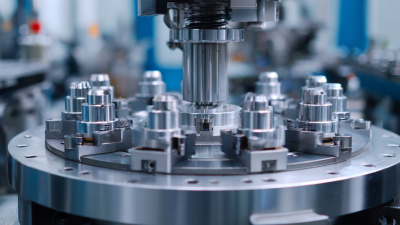
In the ever-evolving landscape of pharmaceutical manufacturing, the incorporation of high-speed tablet press machines signifies a transformative step towards increased efficiency and precision. These machines, equipped with advanced PLC and touch screen interfaces, empower operators to manage complex production processes with unprecedented ease. The innovative technology behind these machines includes real-time pressure detection via imported pressure sensors, which not only enhances the accuracy of tablet formation but also ensures consistent quality control throughout the production run.
Moreover, the ability to automatically adjust the powder filling depth further underscores the benefits of these machines in pharmaceutical manufacturing. According to industry reports, automated monitoring systems can help reduce production costs by up to 30%, as they mitigate errors that often lead to material waste. By continuously assessing factors such as mold wear and powder supply, high-speed tablet press machines facilitate the seamless operation of multiple machines under the supervision of a single operator, thus optimizing resource utilization and labor efficiency.
The increasing demand for high-quality pharmaceuticals necessitates robust production methodologies, and high-speed tablet presses provide a viable solution. Research indicates that companies employing these machines can achieve a qualification rate of up to 98% for their tablets, significantly boosting business profitability. As the pharmaceutical manufacturing sector adapts to the challenges of contemporary production demands, the adoption of high-speed tablet press machines stands out as a strategic innovation that enhances both operational and economic outcomes.

FAQS
: The product aims to improve daily efficiency and convenience. It assists users in managing tasks effectively.
Follow the instructions provided with the product. Simple steps guide you through the setup process.
Yes, many users find it intuitive. However, some may need a learning curve to get fully comfortable.
Yes, customization options are available. Users can adjust preferences for a more tailored experience.
Regular cleaning is recommended. Neglecting maintenance might affect performance over time.
First, check the user manual for troubleshooting tips. If problems persist, reach out for support.
Yes, there is a return policy. Ensure to review the terms before making a purchase to avoid issues.
Customer support is generally responsive. However, response times may vary based on demand.
The product uses durable materials for longevity. Some users express concerns over environmental impact.
Yes, it can be used outdoors. But some users note that extreme conditions may affect its performance.
Conclusion
The article titled "2026 Best Secondary Packaging Machine Features and Benefits" explores the evolving landscape of secondary packaging machines in 2026, highlighting their key features and benefits. As technology advances, these machines are becoming more efficient, incorporating smart solutions and automation to streamline packaging processes. This enhances productivity while reducing operational costs.
Moreover, the article discusses the various types of secondary packaging machines available, emphasizing their adaptability to diverse products and industries. Sustainability is also a critical factor, with modern machines being designed to minimize waste and utilize eco-friendly materials. Additionally, future trends indicate a continued focus on innovation, ensuring that secondary packaging machines not only meet current demands but also anticipate future market needs. Overall, the developments in secondary packaging machinery promise significant improvements in efficiency and sustainability for businesses worldwide.
Related Posts
-

Revolutionizing Diabetes Management with Advanced Injection Pen Assembly Line Technology
-

2025 Top 5 Vial Filling Machines: Boost Your Production Efficiency Today!
-
The Complete Ultimate Guide to Finding the Best Blow Fill Seal Manufacturers
-

What is Efficient Blister Production and How It Transforms Pharmaceutical Packaging
-

Innovations in Vial Filler Machines at the 138th China Import and Export Fair 2025
-

Top 10 Tips for Choosing the Right Pharmaceutical Packaging Equipment
