


 Hey there! You know, in the fast-paced world of pharma, picking the right vial filling equipment isn't just a small decision anymore — it's pretty crucial. Manufacturers really have to get it right if they want to keep up with strict regulations and, of course, ensure their products are top-notch.
I recently came across a market report that says the global pharma packaging market, which covers stuff like vial filling machines, is expected to grow at about 8.1% annually. That really shows how much demand there is for reliable and efficient packaging solutions these days.
Companies like Shanghai IVEN Pharmatech are leading the charge with cutting-edge tech — they’ve got four dedicated factories making everything from advanced machinery for pharmaceuticals, blood collection tubes, to water treatment systems. As this market keeps growing, it’s super important for businesses to understand what features to look for and consider when choosing vial filling equipment. That way, they can stay efficient, competitive, and ready for whatever the future holds.
Hey there! You know, in the fast-paced world of pharma, picking the right vial filling equipment isn't just a small decision anymore — it's pretty crucial. Manufacturers really have to get it right if they want to keep up with strict regulations and, of course, ensure their products are top-notch.
I recently came across a market report that says the global pharma packaging market, which covers stuff like vial filling machines, is expected to grow at about 8.1% annually. That really shows how much demand there is for reliable and efficient packaging solutions these days.
Companies like Shanghai IVEN Pharmatech are leading the charge with cutting-edge tech — they’ve got four dedicated factories making everything from advanced machinery for pharmaceuticals, blood collection tubes, to water treatment systems. As this market keeps growing, it’s super important for businesses to understand what features to look for and consider when choosing vial filling equipment. That way, they can stay efficient, competitive, and ready for whatever the future holds.
Key Factors to Consider When Choosing Vial Filling Equipment
When you're picking out vial filling equipment, there are a few important things to keep in mind to make sure everything runs smoothly and meets industry standards. First off, it’s really key that the equipment can handle different vial sizes and materials—nobody wants to be stuck with machines that only work for one thing. I read somewhere that the global market for vial filling machines is expected to jump from about $1.21 billion in 2020 to around $1.56 billion by 2025, which shows how much companies are looking for versatile machinery that can adapt to different specs. That kind of flexibility doesn’t just mean you can fill a wider range of products, but it also helps boost your overall production capacity.
Another big factor is the technology behind the filling process. Nowadays, automated systems—especially those using aseptic techniques—are pretty much a must-have in pharma. According to a report from Grand View Research, the market for aseptic filling is forecasted to grow at a yearly rate of about 9.6% between 2021 and 2028. Automation not only reduces human error but also cuts down on contamination risks, which is super important for compliance and keeping product quality up. Also, you wanna think about how fast the machine can fill vials (its throughput rate) and how easy it is to clean—these things can really make a difference in how quickly and efficiently you can get your work done. So, keeping these technical aspects in mind when choosing your equipment is really crucial for running a successful vial filling operation.


Maximizing Efficiency in Industrial Processes: The Role of Online Dilution and Dosing Equipment
In the biopharmaceutical industry, the downstream purification process is crucial for ensuring the quality and efficacy of therapeutic proteins. A significant aspect of this process is the preparation of buffers, which must be both accurate and reproducible. Recent studies have shown that even slight variations in buffer composition can lead to suboptimal purification results, affecting yield and purity. For instance, a report by the International Society for Pharmaceutical Engineering highlights that inconsistencies in buffer preparation can decrease overall purification efficiency by up to 30%.
To tackle this challenge, the implementation of online dilution and dosing equipment has emerged as a game changer. This technology allows for the seamless combination of various single-component buffers, ensuring that the mother liquor and diluent are mixed online to achieve the desired target solution. Such systems not only improve the precision of preparation but also enhance workflow efficiency. According to a recent market analysis by MarketsandMarkets, the demand for automated dosing systems in biopharmaceutical applications is expected to grow at a CAGR of 10.1% from 2022 to 2027, underscoring the industry's shift toward more advanced and reliable solutions.
By optimizing the buffer preparation process through online dilution and dosing systems, biopharmaceutical manufacturers can significantly improve their purification processes. These innovations not only reduce manual labor but also mitigate human error, allowing for greater consistency and reliability in the production of high-quality biopharmaceuticals. With the growing emphasis on efficiency and effectiveness in industrial processes, adopting such technologies is not just beneficial—it is essential for maintaining a competitive edge in the market.

FAQS
: The three primary types of vial filling machines are manual, semi-automatic, and fully automatic. Manual machines are suited for small operations, semi-automatic machines provide a balance of efficiency and operator involvement, and fully automatic machines are designed for high-output production with minimal manual intervention.
Manual vial filling machines are cost-effective and flexible, making them ideal for small-scale operations or startups. However, they require skilled operators and generally have slower production rates compared to automated machines.
Semi-automatic machines automate the filling process but still require operator supervision for tasks like capping and labeling, offering a middle ground between manual and fully automatic systems.
When selecting vial filling equipment, evaluate technical specifications for flexibility, assess brand reputation for reliability, and focus on scalability to accommodate increasing production demands.
Fully automatic vial filling machines enable high-output operations with advanced features such as in-line inspection and integrated labeling, making them ideal for larger manufacturers who prioritize scalability and precision.
Essential features include the ability to maintain sterility, advanced digitalization and automation for improved efficiency, and robust leak testing capabilities to ensure product safety and integrity.
Digitalization enhances repeatability and speed in vial filling processes, and systems with intuitive controls allow for quicker transitions between different vial types and sizes.
Leak testing is crucial in ensuring the integrity of sterile vials, preventing contamination, and ensuring product safety, which is especially important in the pharmaceutical sector.
The vial filling equipment market is seeing a trend towards automation and improved precision, exemplified by the upcoming introduction of robotic vial filling machines at industry conferences.
Conclusion
When you're picking out the right vial filling equipment, it’s important to consider a few key things to make sure everything runs smoothly and efficiently. Things like how big your production is, how precise the fill volume needs to be, and what kind of liquid you're working with can really impact your choice. Getting to know the different types of vial filling machines—whether they're manual, semi-automatic, or fully automated—can help you figure out what’s the best fit for your operation. Plus, it’s worth looking into different brands and balancing costs with performance so you end up with something reliable that fits your budget without sacrificing quality.
Here at Shanghai IVEN Pharmatech Engineering Co., Ltd., we get it—features like user-friendliness, flexibility, and solid maintenance support are super important when it comes to automated vial filling systems. Our team’s got a ton of expertise in pharmaceutical machinery, so we’re confident we can help you find the perfect equipment tailored to your needs. And we’re always committed to quality and good service. By keeping these things in mind, you'll set yourself up for a smooth, efficient vial filling process that really boosts your production capacity.
Related Posts
-
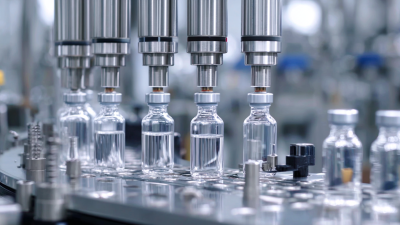
Advantages of Using the Best Bosch Vial Filling Machine for Your Production Efficiency
-

Empowering Global Markets with Premier Chinese Vial Cap Sealing Machine Innovations
-
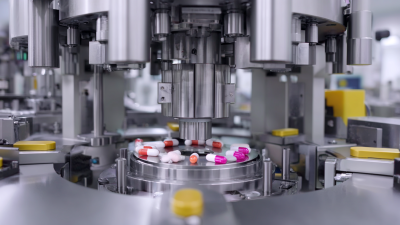
Ultimate Checklist for Choosing the Best Capsule Filling Machine in China
-
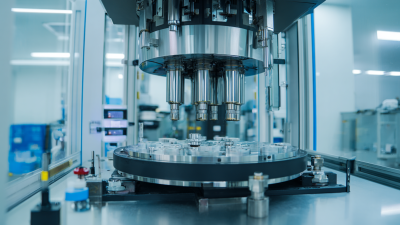
Finding Top Quality Suppliers for the Best Leak Testing Machines
-
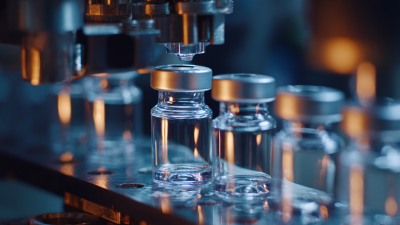
Empowering Global Trade: China's Premier Blow Fill Seal Ampoules Leading the Way
-
Exploring After-Sales Service Benefits and Future Innovations in Dry Powder Filling Machinery
