


Picking the right vial filling machine can feel a bit overwhelming, honestly. There are so many options out there, each with its own quirks and features. It really boils down to understanding what you actually need—because, trust me, the efficiency of the machine can make or break your production process. A bad choice might cause delays or even waste your products, and nobody wants that.
The market's flooded with different models too, so you'll want to think about things like size, speed, and how much automation you want. Some machines are super precise, but they can be a pain to operate if you're not familiar with them. On the other hand, simpler models are easier to use but might lack some of the fancy features you'd prefer. The key is finding that sweet spot where everything balances out.
Don’t forget to check out the reputation of the manufacturer. Do some research—look for companies known for quality and good support. Reading reviews or chatting with experts can give you a real sense of what you’re getting into. If possible, try to see the machines in action through demos. Nothing beats getting a feel for it yourself. This really helps clarify what you need from a vial filling machine. Always compare your actual requirements to what’s available to make sure you’re making the right call.

Understanding Vial Filling Machines and Their Applications
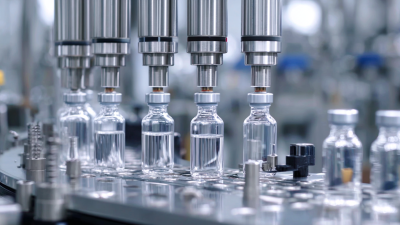
Vial filling machines are essential in various industries, including pharmaceuticals and cosmetics. These machines automate the process of filling vials with liquids, ensuring precision and efficiency. They come in different types, such as manual, semi-automatic, and fully automatic. Each type serves distinct applications, from small batch productions to large-scale manufacturing.
Understanding the specific needs of your operation is crucial. For example, consider the viscosity of the liquid to be filled. Thicker substances may require specialized equipment. Additionally, think about the size and capacity of your vials. Machines vary greatly in their filling capacities. A mismatch here can lead to wasting resources or compromising product quality.
Selecting the right vial filling machine also involves understanding regulatory requirements. Compliance with industry standards is non-negotiable. It ensures product safety and quality. Some companies might face challenges adapting their existing processes to new technologies. This reflects the need for thorough testing before committing to any system. Integrating a machine seamlessly often requires time and expertise, highlighting the importance of choosing wisely.

Innovative Solutions for Cancer Treatment: OEB5 Injectable Oncology Vial Turnkey Plant Overview
The landscape of cancer treatment is evolving with the introduction of innovative solutions tailored to meet the growing demands of oncology. One noteworthy advancement is the development of injectable oncology vials, which facilitate targeted delivery of chemotherapy and other essential treatments. The turnkey plant dedicated to producing these injectable formulations ensures efficiency and compliance with rigorous global standards, including EU GMP and US FDA cGMP, thereby prioritizing patient safety and product quality.
A comprehensive approach is essential in the pharmaceutical industry, particularly when it comes to oncology. The integration of high-quality equipment and customized engineering solutions plays a pivotal role in the successful operation of these facilities. This includes not only the production of injectable oncology vials but also the broader spectrum of pharmaceutical products such as IV solutions, vaccines, and other essential medications. By focusing on tailored project design, facilities can enhance their output capabilities and adapt to the unique challenges presented by cancer treatment, significantly impacting patient care and treatment outcomes.

FAQS
: Vial filling machines fill liquids into vials. They are essential in pharmaceuticals and cosmetics.
Machines come in three types: manual, semi-automatic, and fully automatic. Each serves different production scales.
Thicker liquids require specialized equipment. Matching viscosity to machine type is crucial for efficiency.
Compliance with industry standards ensures safety and quality. Non-compliance can lead to significant issues.
Account for purchase price, installation, and ongoing costs. Hidden costs like repairs or training can arise.
Not necessarily. If volumes are low, high-speed machines might waste resources. Evaluate your production needs.
Using an incorrect vial size can lead to wasted resources. It may also compromise the quality of the product.
Challenges include adapting processes and ensuring proper operation. Time and expertise are critical for seamless integration.
Hidden costs, like special components or additional training, can strain finances. Planning ahead is vital to avoid surprises.
Always consider performance versus budget. Cheaper options may not provide the durability required for consistent production.
Conclusion
When choosing the best Vial Filling Machine for your needs, it's essential to understand the various applications these machines serve within the pharmaceutical and cosmetic industries. Key factors to consider include the specific production capacities, the features and specifications that align with your operational requirements, and the types of vial filling machines available, such as semi-automatic or fully automatic options.
Additionally, assessing your budget and cost considerations will help determine the most cost-effective solution without compromising on quality. Regular maintenance and care also play a crucial role in ensuring the longevity and efficient performance of the Vial Filling Machine. By carefully evaluating these aspects, businesses can make informed decisions that cater to their production objectives while ensuring compliance with industry standards.
Related Posts
-

2025 Top 5 Vial Filling Machines: Boost Your Production Efficiency Today!
-

10 Essential Tips for Choosing the Right Vial Filling Machine
-

What is a Vial Filling Machine and How Does it Work in the Pharmaceutical Industry
-
Advantages of Using the Best Bosch Vial Filling Machine for Your Production Efficiency
-

Revolutionizing Pharmaceutical Production with Advanced Vial And Ampoule Filling Machine Technology
-

How Vial Filling Machines Revolutionize the Pharmaceutical Industry: A Closer Look
