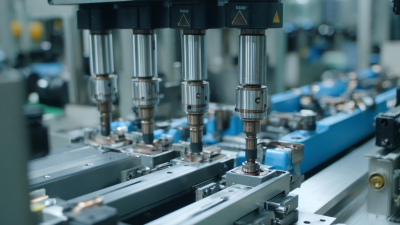
Picking the right Automatic Syringe Assembly Machine is super important for any pharmaceutical company out there. Dr. John Smith, who's pretty much a go-to expert in this area, always says, “Getting the right machine can really make a difference when it comes to efficiency and safety.”
In today’s hustle and bustle of the market, you can’t afford to ignore how crucial precision is when putting together syringes. Any machine you choose should be reliable, fast, and able to handle different kinds of syringes without breaking a sweat. A lot of companies kind of overlook the fact that customization matters — the truth is, not all machines fit every specific production need.
Stuff like speed, accuracy, and how easy the machine is to maintain should be at the top of your list. Sure, some machines might boast about high output, but if they’re unreliable, it’s pointless. So, take your time and do a proper evaluation. Talk to manufacturers, see what kind of tech they’re using, and don’t be shy about asking for feedback from people who’ve actually used the machines — real-world experiences matter.
All in all, it’s worth thinking carefully before jumping into an investment. Better safe than sorry, right?

Understanding the Basics of Automatic Syringe Assembly Machines
Automatic syringe assembly machines play a crucial role in the medical industry. They efficiently combine various components, ensuring accuracy and speed in production. Understanding the basics of these machines is essential for manufacturers. Each machine typically includes feeders, assembly stations, and inspection units. This process helps maintain high-quality standards.
When choosing a machine, consider its functions. What types of syringes does it assemble? Can it handle different sizes? Compatibility is vital. Manufacturers often overlook this aspect. A machine that doesn't meet specific needs may cause delays. Inconsistent production can lead to errors. Pay attention to user-friendliness as well. Is the interface intuitive? Complex operations may require additional training.
Maintenance also plays a key role in performance. Regular cleaning and servicing prolong machine life. However, many users skip this step. This can lead to inefficiency and costly repairs. Operators should strive for a balance between automation and control. Relying solely on machines without understanding their mechanics may not be wise. Reflection on process improvements is necessary for better outcomes.
Key Features to Look for in a Syringe Assembly Machine
When choosing an automatic syringe assembly machine, focus on essential features. Different applications require different functionalities. The machine should offer flexibility to handle various syringe sizes. Pay attention to the cycle speed. A faster machine can increase productivity, but it should not compromise quality. Sometimes, a balance between speed and accuracy is difficult to achieve.
Consider the ease of operation. A user-friendly interface can make a big difference. Operators should be able to troubleshoot quickly. Lack of intuitive control can lead to errors during assembly. Also, assess the cleaning and maintenance requirements. Some machines may require frequent servicing. This can disrupt production timelines if not managed well.
Finally, look for machines with advanced inspection systems. These systems ensure quality control throughout the process. However, they may add complexity. Some users might find monitoring capabilities overwhelming. It’s important to weigh the benefits and drawbacks for your operation. The right machine should align with your production goals and capabilities.
Comparative Analysis of Market Leading Automatic Syringe Manufacturers
When choosing an automatic syringe assembly machine, understanding the competitive landscape is crucial. According to a recent industry report, the global market for syringe assembly machines is projected to grow at a compound annual growth rate (CAGR) of 8.5% from 2023 to 2030. This growth highlights the rising demand for efficient and reliable production solutions in the medical sector.
Market-leading manufacturers often focus on automation technology and efficiency. For instance, machines that integrate state-of-the-art robotics can significantly enhance production speeds. Data shows that automated systems can improve output by up to 70%. However, some companies still struggle with machine calibration and maintenance, leading to quality issues. Regular audits and rigorous testing are necessary to minimize these challenges.
Another consideration is compliance with international safety standards. Reports indicate that adherence to these regulations can impact a manufacturer's reputation. A company may produce high volumes but face scrutiny over quality control. This juxtaposition between quantity and quality merits careful evaluation when selecting an assembly machine.
Evaluating Production Capacity and Efficiency in Syringe Machines
When evaluating production capacity and efficiency in syringe machines, focus on specific metrics. Look at the machine's output rate, often measured in syringes per minute. A higher output rate can save time and labor costs. However, consider if the speed affects quality. Sometimes, faster isn’t always better.
Tips: Assess the production cycle. Ensure the machine can handle various syringe sizes. Flexibility can enhance productivity. Check how easy it is to perform maintenance. Regular upkeep is crucial for long-term efficiency. Machines that are hard to maintain can become a burden.
Another aspect is the automation level. Fully automated machines may reduce labor costs but require a higher initial investment. Semi-automated options might offer a good compromise. They could provide adequate output while being cheaper. Analyze your production needs before committing. Reflect on whether the chosen machine matches your scaling plans. A mismatch could hinder growth.
Assessing Compliance with Industry Standards and Regulations
When selecting an automatic syringe assembly machine, compliance with industry standards is crucial. The medical device production landscape is intricate. A 2021 report from the FDA indicated that over 17% of medical device recalls were due to manufacturing defects. This underscores the importance of stringent quality checks in production.
Regulations like ISO 13485 set the framework for quality management systems in medical devices. A machine that meets this standard ensures better control over processes. Data from a recent survey showed that 75% of manufacturers reported improved product quality following compliance. Yet, many companies still struggle to maintain these standards amid rising pressures for cost efficiency.
Machine capabilities must align with regulatory requirements. For example, devices should ensure safety and accuracy in dosage. However, some machines fail to meet these specifications, risking patient health. The market demands transparency and accountability. Manufacturers should not overlook the need for continuous training and updates on regulatory changes. Adapting to these demands is a challenge, yet essential for maintaining trust in medical products.
How to Choose the Best Automatic Syringe Assembly Machine? - Assessing Compliance with Industry Standards and Regulations
| Feature |
Importance |
Compliance Standard |
Recommended Specifications |
| Speed of Operation |
High throughput and efficiency |
ISO 13485 |
Minimum 100 syringes per minute |
| Precision and Accuracy |
Critical for dosage accuracy |
USP Chapter 797
|
± 1% tolerance |
| Ease of Use |
Minimizes training time |
CE Marking |
Intuitive interface with touchscreen |
| Maintenance and Support |
Ensures operational uptime |
ISO 9001 |
24/7 customer support availability |
| Compliance with Safety Regulations |
Protects users and patients |
FDA 21 CFR Part 820 |
Safety features integrated |
Cost Considerations and Return on Investment for Syringe Equipment
When selecting an automatic syringe assembly machine, cost considerations are crucial. The initial investment can range significantly, often falling between $50,000 to over $200,000. Factors affecting costs include machine capacity, automation level, and technology. A report by Smith & Associates in 2022 indicated that higher upfront costs often correlate with improved efficiency. This means a quality machine could lead to long-term savings.
Return on investment (ROI) for syringe equipment should be evaluated carefully. Industry standards suggest a well-chosen automatic machine can yield 20-30% increased production rates. This translates to quicker turnover in manufacturing. Time saved can mean lower labor costs, too. However, a poorly chosen machine might lead to frequent downtimes and repair expenses, negating ROI benefits. In a survey, 40% of manufacturers reported unexpected costs due to equipment inefficiencies.
While cutting costs is tempting, it's vital to assess quality. A cheaper machine may save initial investments but can lead to higher maintenance and operational costs over time. Therefore, balancing initial costs with long-term operational expenses is essential. Advanced machinery might seem expensive initially, but efficiency gains can outweigh costs in the long run. An investment in reliable technology is often a pathway to sustainable growth.
Maintenance and Support Services for Syringe Assembly Technology
When selecting an automatic syringe assembly machine, maintenance and support services play a crucial role. Regular maintenance ensures the machine operates efficiently. It can prevent unexpected breakdowns. A reliable support team is essential. They should offer timely service and easily accessible parts. During usage, issues may arise unexpectedly. Without prompt assistance, production halts, leading to losses.
Additionally, operators must be trained effectively. An undertrained team can lead to mistakes. These mistakes can cause machine malfunctions. Hence, support services should also offer training sessions. This builds confidence among operators and encourages a better understanding of the equipment. The efficacy of these services can directly impact production quality and timelines.
Frequent check-ups are necessary. Sometimes, machines display signs of wear and tear. This can affect their performance. A proactive approach can mitigate such problems. However, choosing the right service partner requires careful consideration. Not all providers offer the same level of expertise. Researching their experience in the industry can guide decisions. Each detail matters when ensuring that the assembly process remains smooth and efficient.
FAQS
: This product is designed to enhance daily activities. It simplifies tasks and improves efficiency.
Anyone can use it. It’s suitable for various age groups and skill levels.
Follow the user manual. It provides step-by-step instructions for setup and use.
Yes, it meets safety standards. However, user care is essential during operation.
Sometimes, issues arise. Check connections and instructions. If problems continue, seek support.
Yes, cleaning is necessary. Use a damp cloth and avoid harsh chemicals.
Durability can vary. Proper care extends its life. Be aware of wear and tear.
Reach out for help. Guidance is available to clarify any confusion.
Yes, a warranty is provided. Check the terms for duration and coverage specifics.
Conclusion
Choosing the best Automatic Syringe Assembly Machine involves understanding its fundamental principles and key features. It is essential to evaluate production capacity and efficiency to ensure that the machine meets your manufacturing needs. Additionally, compliance with industry standards and regulations is crucial for maintaining quality and safety in production.
Cost considerations and potential return on investment should guide purchasing decisions, as well as the availability of maintenance and support services. A comparative analysis of leading automatic syringe manufacturers can provide insights into various options, helping businesses make informed choices that align with their operational goals. By focusing on these critical aspects, manufacturers can select an Automatic Syringe Assembly Machine that enhances productivity and ensures quality in their operations.