0%

In the fast-changing world of pharma, having reliable pharmaceutical packaging equipment is more important than ever. Did you know that, according to a recent report from Grand View Research, the global market for pharmaceutical packaging is forecasted to hit around 1.2 trillion dollars by 2027? That growth is mainly driven by the increasing need for secure and compliant ways to deliver products. As industry standards evolve, investing in top-quality packaging solutions really becomes a no-brainer to keep products safe and ensure patient safety?

Top 10 Essential Pharmaceutical Packaging Equipment for Enhanced Efficiency

Dr. Jane Smith, who's a well-respected consultant at PharmaPack Solutions, puts it plainly: "The efficiency of pharmaceutical packaging equipment really makes all the difference when it comes to maintaining the quality and effectiveness of medicines." With technology moving forward so quickly, companies like Shanghai IVEN Pharmatech Engineering Co., Ltd. are stepping up with some pretty innovative solutions. They operate four dedicated factories and have really made a name for themselves in designing and producing advanced packaging machinery, blood collection tube equipment, and water treatment systems.

As we look at the top 10 must-have pharmaceutical packaging tools, it’s worth thinking about how these tech advancements can boost efficiency, cut down on waste, and help pharma companies succeed. Embracing the latest technology isn’t just a challenge — it’s also a fantastic opportunity for growth in a pretty crowded and competitive market.

Top 10 Pharmaceutical Packaging Machines Driving Operational Excellence

Top 10 Essential Pharmaceutical Packaging Equipment for Enhanced Efficiency

The pharmaceutical packaging industry is undergoing rapid innovation, with advanced machines playing a pivotal role in driving operational excellence. According to a report by ResearchAndMarkets, the global pharmaceutical packaging market is expected to reach $145 billion by 2026, growing at a CAGR of 6.5%. This growth is fueled by the increasing demand for efficient and reliable packaging solutions. Investing in cutting-edge packaging machines not only enhances workflow but also improves product integrity and compliance with regulatory standards.

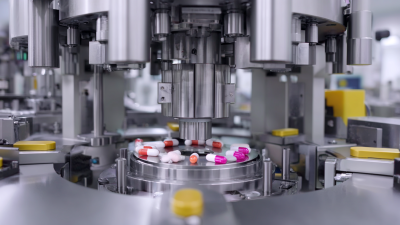
Among the essential packaging equipment, the use of automated blister packaging machines stands out. These machines significantly reduce manual handling, minimizing the risk of contamination and ensuring precise dosage. Additionally, secondary packaging systems, such as cartoners and case packers, streamline the final packaging stage, leading to a reduction in operational costs. According to a recent analysis by the Freedonia Group, the adoption of automated packaging systems can boost productivity by up to 30%, highlighting their importance in achieving operational excellence in the pharmaceutical sector. By prioritizing these innovations, companies can adapt to the evolving market demands while enhancing both efficiency and product safety.

Innovative Blister Packaging Solutions: Key to Preserving Drug Integrity

Innovative blister packaging solutions have become a cornerstone in preserving drug integrity within the pharmaceutical industry. As the demand for high-quality, effective packaging grows, these solutions not only enhance the shelf life of drugs but also ensure that their efficacy remains intact throughout the distribution process. The rapid rise in healthcare blister packaging, particularly aluminum-based options, illustrates the sector's commitment to incorporating materials that offer superior protection against external elements while being user-friendly for patients.

Moreover, with the ongoing shift towards sustainability, pharmaceutical companies are heavily investing in recyclable packaging solutions. This focus aligns with evolving consumer preferences for safety and environmentally responsible products. As trends indicate a significant expansion in the pharmaceutical packaging market, driven by technological advancements and innovative delivery systems, companies must prioritize investing in efficient packaging equipment that meets both regulatory standards and consumer expectations. This evolution in packaging emphasizes a dual commitment to both drug safety and environmental responsibility, marking a significant step forward in the industry.

Automated Filling and Capping Equipment: Enhancing Production Speed by 30%

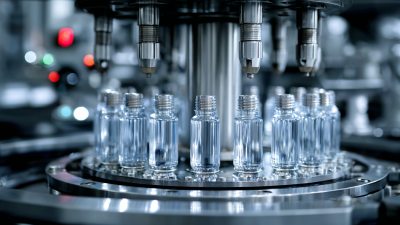
In the pharmaceutical industry, efficiency is paramount, and automated filling and capping equipment has proven to be a game-changer. With the capability to enhance production speeds by up to 30%, these machines significantly reduce labor costs and minimize human error. Companies like Shanghai IVEN Pharmatech Engineering Co., Ltd. provide cutting-edge solutions that streamline operations, ensuring that pharmaceutical products are packaged with precision and speed.

As the global population ages, the demand for efficient healthcare solutions rises. Just as rehabilitation robots assist the elderly in regaining mobility, automated packaging systems play a crucial role in keeping up with increased production needs. The integration of intelligent robotics into manufacturing not only boosts productivity but also enables pharmaceutical companies to respond swiftly to market demands.

Tips: When considering automated systems, assess the scalability of the equipment to accommodate future growth. Additionally, prioritize machines that offer easy maintenance and support, ensuring minimal downtime during production. Investing in high-quality automated filling and capping technology can lead to substantial long-term cost savings and improved operational efficiency.

Labeling Systems with AI: Boosting Packaging Accuracy and Compliance

The integration of AI technologies, such as machine learning and computer vision, into pharmaceutical packaging systems is transforming the industry by significantly enhancing accuracy and compliance in labeling. With an increasing focus on consumer safety, stringent packaging and labeling controls are paramount. Reports indicate that the AI in packaging market is projected to grow at a CAGR of around 24.7% over the next five years, underscoring the urgent need for incorporating smart technologies in packaging processes. This growth is driven largely by the need to manage complex regulatory requirements and the demand for streamlined operations in meeting consumer expectations.

In the context of food allergies, which affect an estimated 33 million Americans, precise labeling has never been more critical. Utilizing AI-powered labeling systems not only increases the accuracy of ingredient disclosures but also ensures compliance with highly regulated standards. The predictive analysis capabilities of AI can foresee potential labeling issues before they arise, mitigating risks and enhancing overall product safety. As the industry progresses, incorporating these innovative technologies will be essential for manufacturers aiming to protect consumers and optimize packaging efficiency.

Top 10 Essential Pharmaceutical Packaging Equipment for Enhanced Efficiency

Protective Secondary Packaging: Ensuring Safety and Reducing Waste

Protective secondary packaging plays a crucial role in the pharmaceutical industry, not only ensuring the safety of medications but also significantly reducing waste. According to a report by Smithers Pira, around 30-40% of pharmaceutical waste can be attributed to packaging issues, underscoring the importance of effective design and implementation of secondary packaging solutions. By utilizing advanced protective materials and innovative design strategies, pharmaceutical companies can safeguard their products from environmental factors such as moisture and light, while also minimizing the risk of contamination during transportation and storage.

Moreover, adopting sustainable packaging practices is essential in today’s eco-conscious market. The Global Packaging Alliance highlights that over 70% of consumers prefer products with environmentally friendly packaging. This factor is driving pharmaceutical companies to invest in biodegradable materials and efficient packaging designs that not only meet regulatory standards but also align with consumer expectations. For instance, utilizing compact designs and recyclable materials in secondary packaging reduces material usage and shipping costs while enhancing the overall product safety. Such improvements not only protect the integrity of pharmaceuticals but also contribute to reducing the carbon footprint associated with packaging waste.

Integration of IoT in Pharmaceutical Packaging: Transforming Supply Chain Efficiency

The integration of IoT in pharmaceutical packaging is revolutionizing the efficiency of supply chains across the industry. With the global smart packaging market projected to grow significantly, the demand for advanced packaging solutions is on the rise. According to recent industry reports, the smart packaging segment alone is expected to capture a substantial share of the overall packaging market by 2034, driven by technologies such as modified atmosphere packaging, active packaging, and intelligent packaging. This trend reflects a growing need for enhanced traceability, real-time monitoring, and inventory management within pharmaceutical operations.

Furthermore, the refillable and ready-to-use (RTF-RTU) vial markets are also witnessing notable expansions, as pharmaceutical companies increasingly focus on reducing medication errors and improving user convenience. These vials, particularly in sterile and non-glass formats, cater to the growing biotechnology and conscious healthcare sectors. Increased investments in industrial automation and robotics—highlighted by the recent recognition of "little giants" in the industry—underscore a broader shift towards smart manufacturing solutions that optimize efficiency and safety in pharmaceutical packaging processes. The confluence of technology and packaging is not just a trend; it signifies a critical evolution that shapes the future landscape of the pharmaceutical supply chain.

FAQS

: What is driving the growth of the pharmaceutical packaging market?

: The growth of the pharmaceutical packaging market is driven by the increasing demand for efficient and reliable packaging solutions, with projections suggesting it will reach $145 billion by 2026.

How do automated blister packaging machines benefit pharmaceutical companies?

Automated blister packaging machines reduce manual handling, minimize the risk of contamination, and ensure precise dosage, enhancing workflow and product integrity.

What role do secondary packaging systems play in the pharmaceutical sector?

Secondary packaging systems, such as cartoners and case packers, streamline the final packaging stage, leading to reduced operational costs and increased productivity.

What impact can automated packaging systems have on productivity?

The adoption of automated packaging systems can boost productivity by up to 30%, highlighting their importance for operational excellence in the pharmaceutical industry.

How is AI transforming pharmaceutical packaging systems?

AI technologies, such as machine learning and computer vision, enhance accuracy and compliance in labeling, which is critical for consumer safety and meeting regulatory requirements.

Why is precise labeling important in the context of food allergies?

Precise labeling is essential for managing food allergies, which affect an estimated 33 million Americans, as it ensures accurate ingredient disclosures and compliance with safety standards.

What is the projected growth rate for the AI in packaging market?

The AI in packaging market is projected to grow at a CAGR of around 24.7% over the next five years, highlighting the need for smart technologies in packaging processes.

How can AI mitigate labeling issues in pharmaceutical packaging?

AI's predictive analysis capabilities can foresee potential labeling issues before they arise, thus mitigating risks and enhancing overall product safety.

What is the main challenge driving the need for smart technologies in packaging?

The main challenge is managing complex regulatory requirements while striving for streamlined operations to meet consumer expectations.

Why is investing in cutting-edge packaging machines essential for pharmaceutical companies?

Investing in cutting-edge packaging machines helps companies enhance efficiency, improve product integrity, and ensure compliance with regulatory standards, thereby adapting to evolving market demands.

Conclusion

In the ever-evolving landscape of the pharmaceutical industry, having the right Pharmaceutical Packaging Equipment is crucial for enhancing operational excellence. The article highlights the top 10 machines that significantly improve production processes, such as innovative blister packaging solutions that safeguard drug integrity and automated filling and capping equipment, which boosts production speed by an impressive 30%. Additionally, labeling systems powered by AI ensure compliance and accuracy, while protective secondary packaging enhances safety and minimizes waste.

Furthermore, the integration of IoT technologies in pharmaceutical packaging is transforming supply chain efficiency, making it more streamlined and responsive. Companies like Shanghai IVEN Pharmatech Engineering Co., Ltd. are at the forefront of this innovation, offering a range of specialized machinery tailored to meet the unique needs of the pharmaceutical sector, thereby driving enhanced efficiency and sustainability in packaging operations.

Lila

Lila

Lila is a dedicated marketing professional at Shanghai IVEN Pharmatech Engineering Co., Ltd., where she leverages her extensive expertise in pharmaceutical machinery and related equipment. With a keen understanding of the industry and a passion for innovation, Lila plays a pivotal role in promoting......
Previous Exploring 2025's Transformative Trends in Pharmaceutical Manufacturing: How to Optimize Your Vial Filling Equipment

Send your message to us:

Write your message here and send it to us