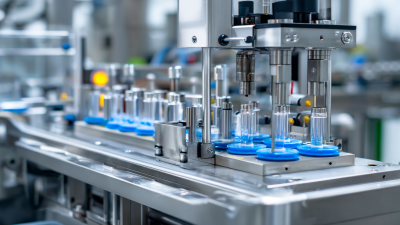
When it comes to the pharma and healthcare world, you really can't overlook how crucial precision and dependability are. A Vial Filling Machine? That’s a pretty big deal—it’s a key piece of equipment that’s essential for packaging all sorts of products, like vaccines, therapies, and other liquids. Picking the right machine is huge for manufacturers who want to boost their productivity without sacrificing quality. But with so many options out there, figuring out what’s best can honestly feel overwhelming sometimes.
So, in this guide, I’m sharing ten must-know tips to help you make the right choice when it comes to selecting a Vial Filling Machine. We’ll talk about everything from the type of product you’re filling, the tech features to look out for, and making sure everything meets regulatory standards. All these factors really matter—they impact how smoothly your filling process runs and how efficient your operation is. If you’re aiming for top performance and happy customers, choosing the right equipment can make all the difference—your bottom line and reputation depend on it. Whether you’re upgrading your current setup or investing in new machinery, these tips should help you find a machine that checks all the right boxes for your needs and industry rules.
Vial filling machines play a crucial role in the pharmaceutical, biotechnology, and cosmetic industries, where precision and efficiency are paramount. The importance of these machines lies not only in their ability to accurately fill vials with a variety of liquids, but also in their capacity to ensure product integrity and safety. As businesses expand and product offerings diversify, the demand for reliable filling solutions continues to grow. A well-chosen vial filling machine can streamline production processes, reduce waste, and enhance the overall quality of the final product.
Moreover, the right vial filling machine can significantly impact compliance with industry regulations. In an environment where cleanliness and sterility are critical, these machines must be designed to prevent contamination and allow for proper cleaning and maintenance. Additionally, as production scales up, the ability to accommodate different vial sizes and types becomes increasingly important. Understanding the unique needs of your operation and selecting a machine that fits those requirements is a vital step in maximizing both productivity and quality assurance. In summary, investing in the right vial filling equipment is essential for maintaining operational efficiency and meeting the high standards expected in today's competitive landscape.
When selecting a vial filling machine, several key features should guide your decision to ensure optimal performance and efficiency. First and foremost, consider the machine's filling accuracy. Precise filling is crucial, especially in industries like pharmaceuticals and cosmetics, where dosage integrity can significantly affect product quality and consumer safety. Look for machines that offer high precision and can be calibrated easily to maintain accuracy over time.
Another essential feature to evaluate is the machine's compatibility with various vial sizes and types. A versatile vial filling machine should accommodate a range of vials, including different materials such as glass and plastic. This flexibility allows you to adapt to changing production needs without investing in new equipment. Additionally, check the machine's speed and throughput capabilities. A high-speed machine can significantly increase productivity, but it should not compromise on filling accuracy. Therefore, balancing speed with precision is vital for efficient operation.
When selecting a vials filling machine, understanding your production capacity and speed requirements is crucial. These factors will dictate not only the choice of the machine but also its long-term viability for your operations. It’s important to assess how many vials you intend to fill per hour and how these numbers align with your overall production goals. For facilities aiming for high output, machines with faster filling speeds and larger capacity might be necessary, whereas smaller operations may benefit from more compact and versatile options.
Moreover, evaluating the type and size of vials you plan to work with is essential. Different machines are designed with varying mechanisms and configurations to handle specific vial sizes and volumes efficiently. Ensuring that the filling machine can adapt to the growth of your production needs is also essential, as scalability can significantly influence operational efficiency and costs in the long run. By thoroughly assessing these requirements, businesses can make informed decisions that align with their production goals and workflow demands.
When selecting a vial filling machine, one of the most critical considerations is its compatibility with various vial sizes and types. Different industries, particularly pharmaceuticals and cosmetics, utilize vials ranging from small ampoules to larger bottles. Therefore, the machine must be versatile enough to accommodate this diversity. Ideally, it should support adjustable parameters that allow quick modifications for different vial dimensions, ensuring an efficient transition between production batches. This flexibility not only enhances productivity but also minimizes downtime, which is essential for meeting tight production schedules.
Additionally, considering the vial material is crucial for ensuring proper filling processes. Vials can be made from glass, plastic, or other materials, each requiring specific handling techniques to avoid spoilage or contamination. The filling machine should have features that cater to these varying materials, including adjustments in fill speeds and methods to preserve the integrity of the contents. Understanding how a machine interacts with different vial types helps mitigate the risk of damage to vials during the filling process, maintaining the quality and safety of the product being packaged.
Automation is a key factor to consider when selecting a vial filling machine, as it directly influences efficiency, accuracy, and ultimately, production costs. Machines that offer advanced automation features can significantly streamline the filling process by reducing manual intervention, which not only minimizes the risk of human error but also enhances overall productivity. High-level automation capabilities such as automated feeding, capping, and labeling can transform a traditional filling operation into a seamless, high-speed production line.
Moreover, it’s essential to evaluate the type of automation your production facility can handle. Fully automated systems are ideal for high-volume production environments where consistency and speed are crucial. Conversely, semi-automated solutions might be better suited for smaller operations where flexibility is required. Understanding the specific needs of the production process and the level of automation that can be effectively integrated will ensure that the chosen vial filling machine aligns with operational goals, ultimately leading to sustained efficiency and growth.
When selecting a vial filling machine, budget considerations play a pivotal role in balancing cost with quality. Organizations must carefully evaluate their financial constraints while ensuring they invest in a machine that meets their operational needs. A lower initial price can be tempting, but it often leads to compromises in quality and efficiency. Inadequate machinery can result in higher maintenance costs and suboptimal production rates, ultimately impacting overall profitability. Therefore, it is essential to conduct a thorough cost-benefit analysis before making a purchase decision.
Quality should not be sacrificed for the sake of achieving a lower price. A higher-quality vial filling machine may have a steeper upfront cost, but its long-term benefits often outweigh the initial expense. Consider factors such as durability, ease of maintenance, and technology features that enhance precision and speed. Investing in a reliable machine can lead to reduced downtime and increased output, thereby providing better value over time. Balancing budget constraints with quality considerations ensures that organizations can sustain productive operations without compromising on their standards.
When selecting a vial filling machine, one of the most insightful steps is to read reviews and testimonials from fellow users. Real-world experiences can offer invaluable information on the machine's reliability, efficiency, and overall functionality. According to a recent industry report by ResearchAndMarkets.com, user satisfaction is a critical factor, with 75% of surveyed professionals stating that peer reviews significantly influence their purchasing decisions in manufacturing equipment. This highlights the importance of understanding how different machines perform under various operational conditions before making a commitment.
As you gather insights from reviews, consider the following tips: First, look for testimonials that mention the machine's ease of use and maintenance. Machines that are straightforward to operate can reduce training time and minimize downtime due to maintenance issues. Secondly, pay attention to comments on the machine's speed and accuracy. For instance, the average filling error rate in the industry is estimated to be around 0.5%, and choosing a machine that consistently meets or exceeds this standard can ensure product quality and compliance with regulatory requirements. Lastly, evaluate the overall customer support offered by manufacturers, as robust support can make a significant difference in your operational efficiency.
| Tip Number | Tip | User Review Summary | Rating (out of 5) |
|---|---|---|---|
| 1 | Assess Your Production Needs | Users emphasize understanding your scale of production for optimal performance. | 4.5 |
| 2 | Consider Machine Flexibility | Flexibility receives high praise from users who need to handle different vial sizes. | 4.7 |
| 3 | Look for Easy Maintenance Features | Users report that easy maintenance leads to less downtime and higher productivity. | 4.6 |
| 4 | Check Compatibility with Your Vials | Many users highlighted the importance of ensuring machine compatibility with their vial types. | 4.8 |
| 5 | Understand the Automation Level | Feedback indicates users prefer automated systems for efficiency and reduced labor costs. | 4.7 |
| 6 | Evaluate Production Speed | Raving reviews focus on higher speeds meeting increased demand efficiently. | 4.6 |
| 7 | Inquire About Warranty and Support | Users express peace of mind with solid warranties and reliable customer support. | 4.5 |
| 8 | Compare Cost vs. Features | Many reviews stress finding a balance between cost-effectiveness and essential features. | 4.4 |
| 9 | Seek Recommendations from Industry Peers | Users highly recommend networking for unbiased machine evaluations. | 4.7 |
| 10 | Review User Testimonials | Positive testimonials can indicate reliable machine performance over time. | 4.8 |
: Vial filling machines are used primarily in the pharmaceutical, biotechnology, and cosmetic industries to accurately fill vials with liquids while ensuring product integrity and safety.
Precision is crucial in vial filling to maintain product quality, ensure dosage accuracy, and comply with industry regulations, thereby preventing contamination and ensuring safety.
Choosing the right vial filling machine can streamline production processes, reduce waste, and enhance the overall quality of the final product, which ultimately improves operational efficiency.
When selecting a vial filling machine, consider production capacity, speed requirements, the type and size of vials, and the machine's scalability to adapt to future production needs.
Compliance with industry regulations is closely linked to the design of vial filling machines, which must prevent contamination and facilitate proper cleaning to maintain safety and sterility in the production environment.
Evaluating production capacity and speed requirements helps determine the most suitable machine for an operation, ensuring it meets current needs and future growth, thus maximizing productivity.
Yes, many vial filling machines are designed to handle various vial sizes and types, which is essential for businesses that may diversify their product offerings in the future.
Cleanliness is critical in the operation of vial filling machines to prevent contamination and ensure that the filled vials meet the required sterility and safety standards.
Compact vial filling machines provide versatility and ease of use for smaller operations, allowing them to fill vials efficiently without the need for larger industrial-sized machines.
Businesses can ensure they make the right investment by thoroughly assessing their production needs, understanding the capabilities of different machines, and selecting one that aligns with their operational goals and future scalability.
Choosing the right vial filling machine is crucial for optimizing production efficiency in the pharmaceutical and cosmetic industries. Key factors to consider include the machine's compatibility with various vial sizes and types, its production capacity and speed requirements, and the level of automation it offers. Enhanced efficiency can often be achieved through higher automation, allowing for more consistent filling processes.
Additionally, budget considerations play a significant role in the decision-making process; it's essential to balance cost with the quality and features that best meet your operational needs. Reading reviews and testimonials from other users can provide valuable insights into the performance and reliability of different machines. By thoroughly evaluating these aspects, businesses can make informed decisions that will enhance their production capabilities with the right vial filling machine.