0%

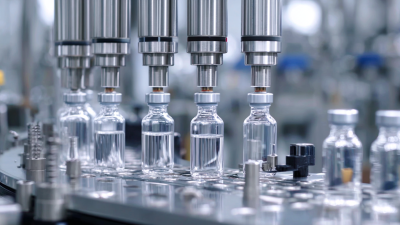
In today's fast-changing world of pharmaceuticals, picking the right equipment can make a huge difference when it comes to how efficiently you produce and the quality of your products. One piece of machinery that really stands out in this whole process is the Pharmaceutical Liquid Filling Machine. As we inch closer to 2025, it’s more important than ever for companies to get a grip on the latest advances and best practices when choosing these machines. Trust me, staying on top of these trends can give you a real edge.

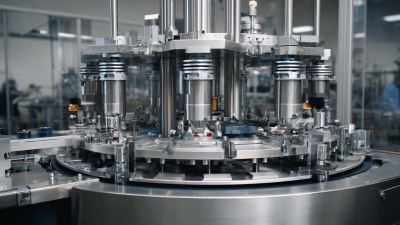
These Liquid Filling Machines are basically the heartbeat of any liquid product line—they make sure everything’s dosed just right and packed efficiently. With a bigger push on quality control and strict regulations, manufacturers really need to pick machines that not only fit their production needs but also tick all the regulatory boxes. This guide is here to walk you through what to look out for—like levels of automation, new tech developments, and maintenance needs—so you can make smarter decisions aligned with your company’s goals for the future. As the industry keeps innovating, keeping up with the latest in filling machines is key if you want to stay competitive and succeed in the long run.

Ultimate Guide to Selecting the Best Pharmaceutical Liquid Filling Machines in 2025

Key Considerations for Choosing Pharmaceutical Liquid Filling Machines in 2025

When selecting pharmaceutical liquid filling machines in 2025, there are several key considerations to bear in mind. First and foremost, compliance with regulatory standards is critical. The pharmaceutical industry is highly regulated, and ensuring that your machinery meets FDA and GMP guidelines will help prevent costly delays and potential legal issues. Manufacturers should conduct thorough research on machines that are designed to meet current compliance requirements while also allowing for future updates as regulations evolve.

Ultimate Guide to Selecting the Best Pharmaceutical Liquid Filling Machines in 2025

Another important factor is the machine's versatility and scalability. As market demands change, the ability to adapt to different product sizes, shapes, or types can significantly influence production efficiency. Consider machines that offer customizable filling volumes and interchangeable parts to accommodate various container types. Additionally, contemplate the level of automation; semi-automated or fully automated systems can enhance productivity but may require a higher initial investment. Balancing these features with your operational budget will help ensure that you select the right machine that meets both your current and future needs.

Top Trends in Pharmaceutical Liquid Filling Technology for the Upcoming Year

As we look ahead to 2025, the pharmaceutical industry is witnessing transformative trends in liquid filling technology. One significant development is the growing adoption of automated filling systems, which enhance efficiency and reduce the risk of cross-contamination. According to a market research report by MarketsandMarkets, the global pharmaceutical filling machine market is projected to reach $6.9 billion by 2025, driven by advancements in automation and the increasing demand for high-speed production.

Another trend shaping the future is the integration of smart technology into filling machines. The use of IoT devices and real-time monitoring systems not only improves operational efficiency but also ensures compliance with stringent regulatory requirements. A study by Research And Markets highlighted that the incorporation of smart solutions could decrease downtime by as much as 20%, further boosting productivity in filling operations.

**Tips:** When selecting a liquid filling machine, prioritize models that offer scalability to accommodate future production increases. Additionally, ensure that the machine is easy to clean and maintain, which is crucial in the pharmaceutical sector where hygiene standards are paramount. Embracing these trends will position companies for success in a rapidly evolving market.

Comparative Analysis of Monoblock vs. Standalone Filling Machines in 2025

When it comes to selecting a filling machine for pharmaceutical liquids, the choice between monoblock and standalone systems in 2025 can drastically affect production efficiency and product quality. Monoblock filling machines integrate multiple processes such as filling, capping, and labeling into a single unit. This compact design not only saves space but also minimizes the chances of contamination and reduces operational costs. In contrast, standalone machines allow for flexibility and scalability, making it easier to customize the filling process according to specific production needs.

Ultimate Guide to Selecting the Best Pharmaceutical Liquid Filling Machines in 2025

Tips: When choosing between monoblock and standalone machines, consider the size of your production facility and the volume of product you plan to manufacture. Monoblock systems are ideal for facilities with limited space but high output requirements. However, if customization and versatility are your priorities, standalone machines offer the room to adapt as your production evolves.

Ultimately, analyzing your specific production priorities, including speed, efficiency, and budget constraints, will guide you toward the best choice. Evaluate the latest technological advancements in both types of machines to ensure that you are selecting an option that incorporates the most current innovations in the pharmaceutical industry.

Essential Features to Look for in Liquid Filling Machines for Pharmaceuticals

When selecting liquid filling machines for pharmaceutical applications, several essential features must be prioritized to ensure efficiency and compliance with industry standards. One crucial aspect is accuracy; studies indicate that filling errors can lead to significant financial losses and regulatory penalties. According to a report by Grand View Research, the global demand for liquid filling machines is expected to rise at a CAGR of 6.1% from 2023 to 2030, emphasizing the need for high-precision equipment that minimizes product wastage and ensures uniform dosage.

Another critical feature is the machine's adaptability to different viscosities and container sizes. Modern pharmaceutical liquid filling machines are increasingly designed to handle a variety of liquid types, including highly viscous formulations. A recent industry analysis by MarketWatch highlighted that flexibility in filling operations can significantly enhance production capabilities, allowing manufacturers to efficiently switch between products while maintaining hygiene and avoiding contamination. Additionally, ease of cleaning and maintenance is vital in maintaining GMP standards, thus reducing downtime and operational costs. These features collectively play a pivotal role in optimizing the liquid filling process in the pharmaceutical sector.

Cost-Benefit Assessment of Investing in Advanced Liquid Filling Solutions

When considering the cost-benefit assessment of investing in advanced liquid filling solutions, businesses must weigh various factors that contribute to overall efficiency and market competitiveness. The pharmaceutical industry, in particular, can greatly benefit from modern filling technologies, offering precision, speed, and reliability. Investing in high-quality liquid filling machines not only enhances production capabilities but also reduces wastage and operational costs over time.

Moreover, as seen in related markets, such as the MasterBatch market, which is projected to expand significantly by 2030, there is a clear trend towards automation and advanced technologies in manufacturing. This growth, driven by an increasing demand for quality and efficiency, emphasizes the necessity for pharmaceutical companies to adopt innovative filling solutions. By aligning their production processes with industry advancements, businesses can achieve significant cost savings and improved product quality, ensuring they remain competitive in a rapidly evolving market landscape.

Future-Proofing Your Production Line: Adaptability of Filling Machines in 2025

In 2025, the landscape of pharmaceutical liquid filling machines will be shaped by the need for adaptability and sustainability. As the industry evolves, companies must consider equipment that not only meets current production demands but also allows for flexibility in response to changing market needs. The importance of future-proofing filling lines cannot be overstated, as advancements in technology and shifts towards sustainable packaging solutions like recyclable materials will play a pivotal role in operational efficiency.


Tips: When selecting a liquid filling machine, focus on versatility in handling different product viscosities and packaging formats. This adaptability can significantly enhance production capabilities as market demands shift. Additionally, prioritize machines designed with sustainable practices in mind, such as energy-efficient operations and recyclable components.


As discussions around the complexities of fill-finish processes grow, manufacturers must also ensure their production lines can accommodate both automation and manual operations. Investing in technology that supports seamless transitions between these modalities will provide a competitive advantage. By leveraging innovative designs and materials, pharmaceutical producers can not only enhance their production efficiency but also align with the industry's sustainability goals.

Optimizing Pharmaceutical Purity: The Essential Role of Reverse Osmosis Systems

Reverse osmosis (RO) systems play a pivotal role in enhancing pharmaceutical purity by effectively removing impurities and contaminants from water used in manufacturing processes. As a highly efficient membrane separation technology developed in the 1980s, reverse osmosis employs semipermeable membranes to create a barrier that only allows the passage of water while retaining salts and other impurities. In pharmaceutical applications, the purity of water is critical, as even trace contaminants can compromise the integrity of drug formulations. According to a comprehensive report by the International Pharmaceutical Excipient Council, up to 90% of pharmaceuticals rely on high-quality water in their production, underscoring the necessity of advanced technologies like reverse osmosis.

Operating under high pressure, RO targets concentrated solutions, effectively reversing the natural osmotic flow. This innovative process is especially beneficial in regions with high salinity in raw water, allowing pharmaceutical manufacturers to produce pure water that meets stringent regulatory standards. With the ability to remove various salts and impurities, RO systems not only enhance product quality but also contribute to operational efficiency. A study published in the Journal of Pharmaceutical Sciences illustrated that the implementation of RO in water purification processes reduced impurity levels by over 98%, demonstrating its effectiveness in maintaining the high purity required for pharmaceutical production.

The significance of reverse osmosis systems in the pharmaceutical industry is further amplified by the increasing demand for stringent quality assurance and control measures. As regulatory bodies enforce tougher standards for drug manufacturing, investing in reliable RO systems becomes imperative. By optimizing water purity, pharmaceutical companies can ensure compliance, enhance product safety, and ultimately improve patient outcomes.

FAQS

: What is a significant trend in pharmaceutical liquid filling technology for 2025?

: A major trend is the increasing adoption of automated filling systems, which enhance efficiency and reduce the risk of cross-contamination.

What is the projected market value of pharmaceutical filling machines by 2025?

The pharmaceutical filling machine market is projected to reach $6.9 billion by 2025, driven by advancements in automation and demand for high-speed production.

How does smart technology impact liquid filling machines?

The integration of smart technology, including IoT devices and real-time monitoring systems, improves operational efficiency and ensures compliance with regulatory requirements.

What productivity improvement can be expected from incorporating smart solutions in filling operations?

The incorporation of smart solutions could decrease downtime by as much as 20%, significantly boosting productivity in filling operations.

What essential feature is crucial when selecting liquid filling machines for pharmaceuticals?

Accuracy is crucial since filling errors can lead to significant financial losses and regulatory penalties.

How is the demand for liquid filling machines expected to grow from 2023 to 2030?

The global demand for liquid filling machines is expected to rise at a CAGR of 6.1% during this period.

Why is adaptability to different viscosities important for liquid filling machines?

Adaptability allows machines to handle a variety of liquid types, including highly viscous formulations, enhancing production capabilities.

What role does ease of cleaning and maintenance play in liquid filling operations?

Ease of cleaning and maintenance is vital for maintaining GMP standards, which reduces downtime and operational costs.

What should companies prioritize when selecting a liquid filling machine?

Companies should prioritize models that offer scalability for future production increases and are easy to clean and maintain.

Why is flexibility in filling operations important for manufacturers?

Flexibility allows manufacturers to efficiently switch between different products while maintaining hygiene and avoiding contamination.

Conclusion

The article "Ultimate Guide to Selecting the Best Pharmaceutical Liquid Filling Machines in 2025" provides an in-depth look at the critical considerations for selecting the most suitable Pharmaceutical Liquid Filling Machines in the rapidly evolving industry. Key factors include understanding the latest trends in technology, such as automation and precision engineering, and performing a comparative analysis of monoblock versus standalone filling machines. The article also emphasizes essential features that should not be overlooked, along with a cost-benefit assessment to ensure a smart investment in advanced solutions.

Furthermore, the guide discusses strategies for future-proofing production lines, highlighting the adaptability of filling machines to meet varying demands. As companies like Shanghai IVEN Pharmatech Engineering Co., Ltd. continue to innovate within the pharmaceutical machinery sector, having access to modern and efficient Pharmaceutical Liquid Filling Machines will be crucial for maintaining competitiveness and ensuring product integrity in 2025 and beyond.

Lila

Lila

Lila is a dedicated marketing professional at Shanghai IVEN Pharmatech Engineering Co., Ltd., where she leverages her extensive expertise in pharmaceutical machinery and related equipment. With a keen understanding of the industry and a passion for innovation, Lila plays a pivotal role in promoting......
Previous Exploring 2025's Transformative Trends in Pharmaceutical Manufacturing: How to Optimize Your Vial Filling Equipment

Send your message to us:

Write your message here and send it to us