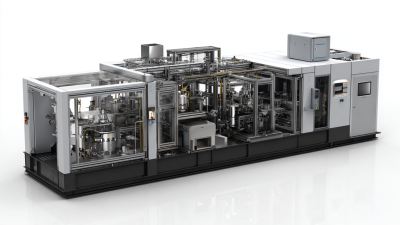
In today's global marketplace, making sure manufacturing processes are both efficient and compliant is more important than ever—especially for companies like Shanghai IVEN Pharmatech Engineering Co., Ltd. They’re experts in a range of pharmaceutical machinery, including equipment for Pen Injector Assembly Lines. As demand for new and innovative medical devices keeps growing, understanding the ins and outs of import and export certifications becomes pretty much essential to keep things running smoothly. In this blog, I’ll walk you through the tricky world of certification—sharing real-world examples that show some of the hurdles and the strategies businesses use to tackle them. By getting a clear picture of the certification process, manufacturers can fine-tune their Pen Injector Assembly Line operations, which ultimately means creating better quality products and standing out more in the market.
When it comes to making pen injectors, you can't underestimate how important import and export certifications really are. These certifications are basically proof that the products meet all the necessary regulatory standards, which helps build trust not just with customers but also with health authorities. Getting the right certifications isn’t just a box-checking exercise; it’s a way for manufacturers to show that their products are safe, effective, and high-quality — especially in the medical world where accuracy and dependability are everything.

On top of that, figuring out the ins and outs of import-export certifications can actually work in your favor in the competitive world of pen injector manufacturing. Companies that get a handle on their certification processes can speed things up, avoid unnecessary delays, and even boost their reputation on an international level. Understanding what different certifications require can also make working with suppliers and distributors way easier, which in turn can lead to more profits and happier customers.
So, if you're diving into making and assembling pen injectors, it's pretty important to get a good handle on the key certifications you'll need. Honestly, the big one is ISO 13485 — that’s all about quality management systems tailored for medical devices. Getting this certification not only boosts your product’s quality but also helps align your manufacturing process with international standards, which can totally smooth out the way for you when entering different markets.
Another major certification to keep in mind is the CE mark, especially if you’re planning to sell in the European Economic Area. Basically, it shows your product ticks all the health and safety boxes required by EU regulations. And if you’re aiming for the US market, you’ll probably want FDA approval too — that way, you’re showing your product complies with all US medical device rules. By focusing on these certifications early on, you’ll be better equipped to navigate all those complex regulations, making sure your pen injectors are both safe and ready to roll in the market.
Getting your medical devices, like pen injectors, into the global market? It’s all about navigating the tricky world of regulatory compliance. Every country has its own set of rules for importing and exporting medical products, so it’s really important for companies to get familiar with these requirements upfront. This usually means securing the right certifications to prove their products are safe, effective, and top-quality. Skipping out on these steps? Well, that can cause delays, burn a hole in your wallet, and even hurt your reputation in the long run.
To make things less overwhelming, it’s a good idea for companies to really dive into understanding both international standards and local regulations. Connecting with regulatory authorities and using available resources can be a huge help—they can guide you through what certifications are needed. Plus, building good relationships with local partners can make the whole process a lot smoother. These partners often know the ins and outs of regional rules and can help you navigate the bureaucratic stuff without too much hassle. In the end, putting effort into compliance isn’t just about avoiding problems — it’s also about gaining trust with customers and stakeholders around the world. If you ask me, it’s worth the investment to stay ahead of the game and make your mark globally.
When it comes to making pen injectors, sticking to good practices for quality assurance is absolutely crucial if we want safety and effectiveness to go hand in hand. Following the current Good Manufacturing Practice (or cGMP for short) isn't just a rule — it's the foundation of setting up a solid quality management system. These regulations help ensure products consistently meet high standards and give manufacturers a clear roadmap for implementing processes that produce top-notch pens every time. For manufacturers, it’s really important to understand these guidelines and weave them into their daily operations — that way, they can cut down on risks during production and stay in line with what regulators expect.
Additionally, incorporating frameworks like MedAccred can give a nice boost to manufacturing quality. They help streamline the often complex world of quality and regulatory requirements, making life a whole lot easier. Keeping data integrity in check is another key point — because reliable, accurate data is what really guides smart decisions, ensuring things run smoothly and the quality stay consistent. By embracing these best practices, manufacturers of pen injectors can better handle the hurdles of compliance, and build a culture where quality and excellence are just part of the daily routine.
| Certification Type | Issuing Authority | Required Documents | Validity Period | Best Practices for Compliance |
|---|---|---|---|---|
| ISO 13485 | International Organization for Standardization | Quality Management System Manual, Test Records, Audit Reports | 3 Years | Regular internal audits, employee training, documentation control |
| CE Marking | European Union | Technical File, Declaration of Conformity | Indefinite | Risk assessment, periodic re-evaluation, testing on new batches |
| FDA Approval | U.S. Food and Drug Administration | Pre-market Submission, Manufacturing Records, Safety Testing Data | Varies by product | Compliance with Good Manufacturing Practices, post-market surveillance |
| GMP Certification | Various National Authorities | Production Process Documentation, Quality Control Data | Annual | Thorough training programs, regular equipment maintenance, supplier validation |
When you're working on making pen injectors, having a smooth, reliable supply chain is totally key to getting things right. Teaming up with trusted partners isn’t just a nice-to-have — it’s vital. These guys help ensure every part of your product ticks all those import-export certifications you've gotta hit. Plus, they bring top-notch materials and really get the ins and outs of the regulations, which means fewer hiccups and less time stuck waiting around. Picking suppliers who are open and dependable? That’s how you keep the quality high and avoid those nasty delays that can slow things down.
Staying in close touch with your partners makes a big difference. Regular chats can help you catch any problems early on and sort them out before they blow up. Sharing info about rules and best practices also creates a team spirit, making the whole process way more efficient. And don’t forget about logistics — building solid relationships with your shipping folks helps keep everything flowing smoothly. When your parts arrive just in time, it saves you from piling up extra stock and cutting costs. At the end of the day, focusing on these partnerships lets you navigate the tricky world of import-export stuff and keeps your pen injector assembly line humming along without a hitch.
In the rapidly evolving landscape of biopharmaceutical manufacturing, precision plays a crucial role, particularly in the downstream purification processes that demand highly accurate buffers. The online dilution and dosing systems are revolutionizing how these critical solutions are prepared. By allowing for the real-time mixing of single-component buffers, these systems ensure that the mother liquor is combined with the diluent in a controlled manner, resulting in the achievement of target solutions with remarkable consistency and reproducibility.
The impact of buffer accuracy cannot be overstated; even minor deviations can lead to significant variations in protein purification outcomes. The ability to fine-tune dilutions and doses on-the-fly not only enhances batch-to-batch reproducibility but also streamlines the overall workflow, minimizing human error and reducing the time spent on manual adjustments. As industries increasingly demand higher standards for quality and efficiency, the investment in robust online dilution and dosing equipment becomes not just beneficial, but essential for maintaining competitive advantage.
Moreover, the integration of these advanced systems into biopharmaceutical workflows is paving the way for greater automation and sophistication in production lines. By leveraging technology to ensure precision in buffer preparation, manufacturers can focus on scaling up their processes while ensuring that the integrity of their products remains intact. In summary, adopting online dilution and dosing systems is a strategic move towards achieving precision in modern biopharmaceutical industries, ultimately enhancing both efficiency and product quality.
: Import and export certifications ensure compliance with regulatory standards, validate product safety and quality, and secure the trust of customers and health authorities, which is crucial in the medical sector.
The primary certification required is ISO 13485, which focuses on quality management systems specifically for medical devices.
The CE marking demonstrates that the pen injectors meet essential health and safety requirements for products sold within the European Economic Area.
Yes, FDA approval is necessary as it indicates compliance with U.S. regulations for medical devices.
By effectively managing their certification processes, manufacturers can reduce market entry delays and enhance their international reputation.
cGMP regulations are guidelines that ensure public quality standards and guide manufacturers in producing high-quality products consistently.
Accurate and reliable data is essential for making informed decisions that drive quality assurance and improve operational efficiency in manufacturing.
MedAccred provides frameworks that succinctly address both quality and regulatory requirements, helping manufacturers deliver high-quality pen injectors.
The right certifications can lead to better collaboration with suppliers and distributors, increased profitability, and enhanced customer satisfaction.
Manufacturers must navigate complex regulatory requirements and ensure adherence to quality assurance practices, which can be challenging without proper certification and frameworks.