


You know, in the ever-changing world of pharma manufacturing, the 138th China Import and Export Fair in 2025 is really showcasing some pretty exciting new tech in Vial Filler Machines — stuff that’s so crucial for making sure medicines are safe and effective.
 Shanghai IVEN Pharmatech Engineering Co., Ltd., a big name when it comes to pharmaceutical machinery, is super proud to show off their latest, cutting-edge tech designed to make vial filling more precise and efficient. They’ve got facilities focused on all sorts of pharma production gear, from blood collection tube machines to water treatment equipment, really keeping them ahead of the game. As the industry keeps evolving, IVEN’s dedicated to providing top-notch solutions that help manufacturers handle the increasing demand for reliable, automated filling systems. All in all, they’re playing a key role in shaping the global pharma scene, and it’s pretty exciting to see where it’s headed.
Emerging Technologies in Vial Filler Machines Showcased in 2025
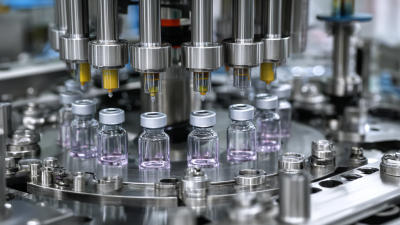
Hey! So, the 138th China Import and Export Fair happening in 2025 is set to showcase some pretty exciting innovations, especially in the vial filler machine sector. It's really fascinating to see how quickly this tech is evolving, especially with new stuff aimed at the pharma and biotech industries. Think automatic filling systems, smarter control mechanisms, and integrated sterilization processes — all of these are totally changing the game for how vial fillers work. According to a recent report from MarketsandMarkets, the global vials market is expected to jump from $4.5 billion in 2020 to around $7.2 billion by 2025, mainly because there's a growing need for safe and efficient drug delivery systems.
One of the coolest things at the fair will probably be the launch of smart vial fillers that come equipped with IoT capabilities. These machines can monitor data in real-time and even predict when maintenance is needed — which means way less downtime and a boost in productivity by up to 20%, as Frost & Sullivan pointed out. For pharma companies hoping to stay ahead, jumping on these new tech trends might just be the move to keep their edge.
Oh, and a quick tip — when you're thinking about adding new vial filler tech into your setup, make sure it’s compatible with your existing systems. Also, don’t forget to put employee training high on the list — folks need to know how to use these new machines properly. And if you can find modular designs, that’s even better — they let you adapt to future upgrades without having to start from scratch. Staying in the loop with the latest industry trends will definitely help you make smarter decisions going forward.


Innovative Solutions for Efficient Vial Liquid Filling Production Line Optimization
In the pursuit of optimizing vial liquid filling production lines, innovative solutions have emerged to enhance efficiency and streamline operations. A well-integrated production line includes essential components such as vertical ultrasonic washing machines, RSM sterilizing drying machines, filling and stoppering machines, and KFG/FG capping machines. Each of these units plays a pivotal role, either functioning independently or working in unison to facilitate a seamless workflow.
The vertical ultrasonic washing machine ensures that vials are meticulously cleaned, employing advanced technology to remove contaminants effectively. Following this, the RSM sterilizing drying machine guarantees that each vial is not only dried but also sterilized, ready for the filling process. The filling and stoppering machine then takes over, precisely dispensing the liquid and securely sealing the vials. Finally, the KFG/FG capping machine provides the finishing touch, applying robust caps that ensure product integrity and safety. Together, these components form a cohesive system that maximizes productivity and minimizes downtime, thereby revolutionizing the liquid filling process in the pharmaceutical and biotechnology industries.

FAQS
: The fair showcased significant advancements in vial filler machines, including cutting-edge technologies from key manufacturers that promise increased efficiency and precision, with an emphasis on automation, AI, and robotics to minimize human error and maximize throughput.
Adaptability is crucial; manufacturers should choose machines that can handle different vial sizes and materials to save time and resources. It's also essential to engage with vendors about maintenance and support options to ensure smooth operations.
Many manufacturers highlighted eco-friendly solutions aimed at reducing waste. Machines that use energy-efficient technologies and recyclable or biodegradable materials were particularly emphasized, aligning with global sustainability goals.
The vial filling machine market is projected to grow at a CAGR of 6.5% during this period, driven by innovations that enhance efficiency and prioritize environmental responsibility.
Approximately 65% of manufacturers are now adopting automated solutions to reduce human error and increase production speed in vial filling processes.
Innovations in automation and IoT technologies enable more precise control over the filling process, minimizing waste and ensuring optimal resource usage, which can lead to significant cost reductions.
Experts predict that by 2030, smart vial filling machines will become standard, incorporating IoT capabilities for real-time monitoring and predictive maintenance, enhancing operational efficiency in pharmaceutical production.
The global vial filling machine market is projected to reach USD 1.2 billion by 2026, growing at a CAGR of 7.4%.
Adopting sustainable manufacturing practices could reduce overall production costs by up to 30%, according to a study by Grand View Research, as companies align with global sustainability goals.
Focusing on sustainable practices not only benefits the environment but also enhances brand reputation in an increasingly eco-conscious market, making it a critical factor for manufacturers.
Conclusion
So, the 138th China Import and Export Fair in 2025 really showed off some pretty impressive strides in Vial Filler Machines. They highlighted new tech that's actually making a difference—boosting how efficiently things get done and keeping quality in check. Big names in pharma machinery, like Shanghai IVEN Pharmatech Engineering Co., Ltd., were there, showing off their latest innovations. They were also emphasizing more sustainable ways to handle vial filling, which is pretty cool. And honestly, the fair gave a good peek into what’s coming next—automation and smarter processes are definitely the trend, aiming to make everything faster and more reliable.
One of the best parts? All the networking! It was a great chance for vial filler makers to connect with potential clients and partners, laying the groundwork for future collaborations and more innovation. With all these fresh solutions focusing on being both efficient and eco-friendly, it looks like the industry’s about to get a whole lot better—and these advancements are really set to shake things up and raise the bar for everyone involved.
Related Posts
-
Finding Top Quality Suppliers for the Best Leak Testing Machines
-
Unlocking Efficiency: The Advantages of Using an Automatic Vial Inspection Machine
-
Innovative Solutions for Enhancing Quality Control with Automatic Vial Inspection Machines
-
7 Essential Tips for Choosing the Right Blow Fill Seal Manufacturers for Your Business
-

How to Choose the Best Filling Isolator Line For Your Vial Production Needs
-
Exploring 2025's Transformative Trends in Pharmaceutical Manufacturing: How to Optimize Your Vial Filling Equipment
