


In today’s super competitive market, choosing the right liquid filling machine is a pretty big deal for your business’s success. I mean, if you look at industry reports, they expect the liquid filling machine market to grow at about 4.5% annually from 2022 to 2028 (that’s from Mordor Intelligence). This just goes to show how much demand there is for automation in packaging — whether it’s for food, drinks, pharmaceuticals, or cosmetics.
Investing in a good-quality liquid filling machine can really boost your efficiency while cutting down on labor costs. For example, brands like Accutek Packaging Equipment offer machines that can handle different filling jobs — so you don’t have to buy several machines. But, here’s the thing: picking the right machine isn’t just about price or looks. You’ve gotta think about accuracy, speed, and what kind of liquid you’re working with. Messing up the selection process can lead to production delays and more downtime, which nobody wants.
And it’s not just about getting the machine — maintaining it and training your staff properly really makes a difference. Skimp on those things, and you might face some unexpected hiccups down the line. As automation becomes more common, understanding what each machine can and can’t do is key. Getting this right now will set you up for success as the industry continues to evolve — so it’s worth taking the time to do it right.

Understanding Liquid Filling Machines: An Overview
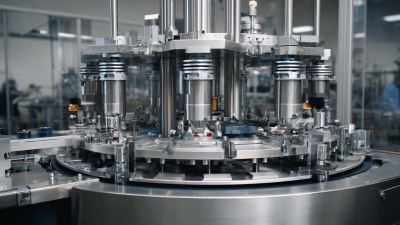
Liquid filling machines are essential in various industries, including food, beverage, and cosmetics. These machines simplify the packaging process, improve efficiency, and ensure product consistency. When choosing a liquid filling machine, understanding its different types and functionalities is crucial. Options range from gravity fillers to pressure fillers and vacuum fillers, catering to diverse liquids and production volumes.
Tips: Before purchasing a machine, assess your specific needs. Consider the types of liquids you will be filling. Is it viscous or thin? This factor greatly influences the choice of machine. Also, evaluate your production capacity. Can the equipment handle your output requirements?
Another important aspect is the maintenance of these machines. Regular cleaning is vital to avoid contamination. Create a cleaning schedule that meets your production pace. Be prepared for possible downtime. Planning for maintenance can prevent unexpected halts in production, ensuring smoother operations.


Optimizing Efficiency and Precision with Vial Liquid Filling Production Lines in Modern Manufacturing
In the realm of modern manufacturing, optimizing efficiency and precision in production processes is paramount, especially in the pharmaceutical and cosmetic industries. The Vial liquid filling production line offers a seamless integration of advanced machinery designed to enhance these critical aspects. This production line is composed of a vertical ultrasonic washing machine, an RSM sterilizing drying machine, a filling and stoppering machine, and a KFG/FG capping machine, all of which can operate independently or in unison.
The ultrasonic washing machine initiates the process by ensuring that every vial undergoes a thorough cleaning, effectively removing any contaminants. Following this, the RSM sterilizing drying machine ensures that the vials are not only dried but also sterilized, providing a safe environment for the subsequent filling process. The filling and stoppering machine then accurately dispenses the liquid into the vials, maintaining precision to minimize waste and ensure consistent doses.
Finally, the KFG/FG capping machine secures the vials, ensuring that they are sealed tightly for quality preservation. Together, these machines create a streamlined workflow that maximizes productivity while maintaining the highest standards of quality and hygiene. By investing in such an efficient production line, manufacturers can optimize their processes, improve output, and meet stringent industry regulations with confidence.

FAQS
: They are used in food, beverage, and cosmetics industries for packaging liquids efficiently.
Assess your liquid type, viscosity, and production capacity before making a choice.
A liquid's thickness affects filling accuracy and speed. Thicker liquids often need special equipment.
Choose a machine that adapts to your required filling volume to reduce downtime.
Regular maintenance is vital. Neglect can lead to performance issues and disrupt production.
Not all machines fit every liquid type. Corrosive liquids can damage some systems.
Create a cleaning schedule based on your production pace to avoid contamination risks.
Yes, it may lead to unscheduled downtimes and affect overall operational efficiency.
Yes, machines may need fine-tuning to handle varying liquid types and production demands.
Choosing incorrectly can lead to inefficiencies, increased waste, and lower profitability.
Conclusion
In the world of packaging, a Liquid Filling Machine plays a crucial role in enhancing efficiency and precision for various businesses. Understanding these machines begins with recognizing their different types, such as gravity fillers, pump fillers, and pressure fillers, each suited for specific liquid types and applications. When selecting a Liquid Filling Machine, businesses should consider factors such as production volume, liquid viscosity, and container types to ensure the right fit for their needs.
Moreover, high-quality Liquid Filling Machines feature essential capabilities like accurate filling, easy cleaning, and reliable support systems. Cost considerations are also significant, as investments in advanced technology can lead to long-term savings through improved productivity. With a focus on maintenance and future trends in automation, businesses can stay ahead in the ever-evolving landscape of liquid filling technology, meeting increasing demands with innovative solutions.
Related Posts
-

How to Choose the Best Liquid Filling Machine for Your Needs?
-

Why Choose a Liquid Filling Machine for Your Business Needs?
-

What is a Liquid Filling Machine and How Does It Work?
-

What is a Pharmaceutical Liquid Filling Machine and How Does It Work?
-
Understanding the Functionality and Benefits of a Dry Filling Machine in Modern Industries
-

Ultimate Guide to Selecting the Best Pharmaceutical Liquid Filling Machines in 2025
