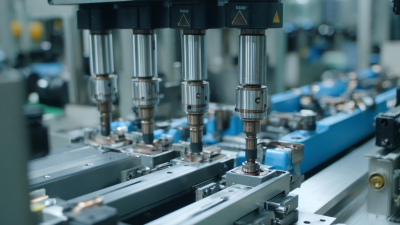
In the fast-changing world of making medical devices, getting your Pen Injector Assembly Line just right is super important if you want things to run smoothly. Experts like Dr. Emily Chen from MedTech Innovators often say, “Streamlining your process is the secret to handling demand without dropping the ball on quality.” The tricky part is, these assembly lines can be pretty complex, and it takes more than just knowing the tech — you gotta understand the human side of things too.
Honestly, a lot of companies tend to underestimate how vital good training is for their staff. Having skilled workers really makes a difference when it comes to precise assembly. On top of that, bringing in automation can seriously boost productivity. But here’s the catch — you’ve got to find the right balance between machines and human oversight. Going overboard with speed might save time, but it can also lead to mistakes that affect the final product.
Thinking back and reflecting on your processes is a must in this industry. Sure, many steps are standardized, but there’s often room for improvement. Taking the time to review each part of the assembly line can help find hidden problems — those little bottlenecks that slow everything down. Fixing those can not only make your Pen Injector Line more efficient but also improve patient safety and satisfaction in the long run.
In pen injector production, efficiency is crucial. A streamlined assembly line directly impacts overall productivity and cost-effectiveness. Poor efficiency can lead to increased waste and delays. Understanding bottlenecks in your process helps identify areas for improvement. Each step in production must be analyzed for time consumption and resource usage.
Practicing lean manufacturing techniques often reveals inefficiencies. For example, excess materials or unnecessary movements waste time. Workers may feel frustrated when the workflow is disrupted. Optimal assembly requires that every employee understands their role and its impact on the broader process. Promoting communication ensures that issues are addressed quickly and effectively.
Regular training sessions provide necessary skills to the team. However, even well-trained staff can face challenges with equipment or layout changes. Embracing a culture of continuous improvement encourages reflection.
Teams should routinely assess their workflows and seek innovative solutions. Efficiency requires constant attention and adjustment, but these efforts lead to significant improvements in production outcomes.
In the realm of pen injector assembly lines, key components play a pivotal role in enhancing efficiency. A well-designed production floor layout is essential. Keep workstations close to reduce movement time. This layout minimizes delays and helps maintain a smooth workflow. Using visual management tools, such as color-coded lanes, aids in identifying bottlenecks.
Another crucial aspect is the automation of specific tasks. Automation can streamline repetitive actions. However, relying too heavily on machines can create issues. Regular calibration is essential to prevent malfunctions. Additionally, investing in training for personnel is vital. Skilled operators ensure the equipment runs smoothly and reduces errors.
Quality control mechanisms are another cornerstone of an effective assembly line. Simple checks at critical points can prevent defective products. Implementing feedback loops to improve processes is necessary but often overlooked. Regularly revisiting these components can help address inefficiencies. An efficient assembly line is dynamic and requires constant evaluation.
Analyzing the current production workflow reveals critical bottlenecks in your pen injector assembly line. In many facilities, around 30% of production time is wasted due to inefficiencies in material handling. For instance, workers spend significant time searching for components. This inefficiency increases costs and slows down output.
Implementing lean principles can help eliminate these issues. Research indicates that companies applying these principles can improve efficiency by up to 20%. Mapping out the workflow visually allows teams to identify areas where time is lost. Are workers often waiting for supplies? Is there a delay in switching between tasks? These questions are pivotal.
Furthermore, data shows that small adjustments can yield substantial benefits. For example, reducing the setup times by just 10% can enhance overall throughput significantly. Yet, many facilities overlook this. A thorough evaluation of the current process can reveal crucial insights. Maintaining open communication channels among team members is essential to uncover hidden inefficiencies. It's about fine-tuning processes and recognizing that even minor changes can lead to remarkable improvements.
Implementing lean manufacturing principles can significantly enhance the efficiency of pen injector assembly lines. Data shows that organizations applying these principles can achieve up to 30% reductions in production waste. This is crucial in a sector where precision and time are paramount. By addressing bottlenecks, companies can lower cycle times while ensuring high-quality outputs. For instance, a study in the Journal of Manufacturing Science highlighted that 70% of assembly line delays stem from poor layout and organization.
Visual management tools, like value stream mapping, empower teams to identify inefficient processes. By making workflows transparent, organizations can foster a culture of continuous improvement. Teams empowered to make changes on the floor see increases in both morale and productivity. Lean principles encourage a focus on value-added activities, driving significant enhancements in throughput. However, transitioning to such a method is not without challenges. Resistance to change can stall progress, and insufficient training may lead to a lack of understanding of lean methodologies.
Real-world application of lean can uncover unexpected obstacles. For example, variance in component quality may hinder process consistency. Inaccurate forecasting can disrupt supply chains. Addressing these issues is vital for the long-term success of lean initiatives. Emphasizing data-driven decisions can help maintain focus on optimizing processes and achieving operational goals.
| Process Step | Time (Minutes) | Waste Identified | Lean Strategy Applied | Resulting Efficiency (%) |
|---|---|---|---|---|
| Material Preparation | 15 | Excess Handling | Standardized Work | 80 |
| Component Assembly | 25 | Motion Waste | 5S Methodology | 75 |
| Quality Control | 10 | Defects | Kaizen Events | 90 |
| Packaging | 12 | Waiting Time | One-Piece Flow | 85 |
| Final Inspection | 20 | Rework | Poka-Yoke | 88 |
Automation and technology are pivotal in optimizing pen injector assembly lines. Efficient assembly processes reduce costs and enhance productivity. A recent industry report indicates that automated systems can boost production efficiency by up to 30%. Organizations that adopt these technologies see quicker response times and fewer human errors. However, implementing automation requires careful planning and adaptability.
Tips for optimizing assembly lines include investing in smart sensors and AI-driven software. Smart sensors detect anomalies during production, ensuring quality control. AI can analyze data to predict maintenance needs, reducing unplanned downtime. Implementing such technologies maintains consistent quality while lowering labor costs.
It's vital to monitor the integration of these automated systems. Some manufacturers report challenges with staff training and machine adaptability. Continuous training programs help to mitigate these issues. Assessing the impact of various technologies on existing workflows is crucial. This reflection can refine processes further and ensure a smooth transition to automation.
Training staff is crucial for efficiency on the pen injector assembly line. Engaged employees contribute to a culture of continuous improvement. They must understand their roles and the workflow dynamics. Practical training sessions can enhance understanding and boost confidence.
Involving staff creates a sense of ownership. When employees share their insights, improvements often emerge. A simple suggestion could refine a step in the assembly process. It’s vital to encourage feedback, even if it leads to difficult discussions. These dialogues can identify hidden inefficiencies that need addressing.
However, not every proposal will be perfect. Some ideas may falter during implementation. Reflecting on these challenges is part of the process. Adjusting training strategies based on real experiences helps refine both skills and outcomes. Emphasizing teamwork in problem-solving can foster resilience and innovation on the assembly line.
In optimizing your pen injector assembly line, monitoring performance metrics is crucial. Regularly evaluating these metrics helps identify bottlenecks and areas for improvement. Effective monitoring provides insights into production rates and defect occurrences, allowing for timely adjustments. An assembly line that continuously assesses its performance minimizes waste and enhances output.
Tips: Implement real-time tracking systems. These systems can offer data on production speed and downtime. Consider using analytics software to visualize trends. Have regular check-ins with team members to discuss performance metrics. Employee input can reveal overlooked issues.
Performance metrics can sometimes be skewed. For example, high throughput may not equate to quality output. Keep track of both efficiency and accuracy. It’s also important to ensure that staff are trained properly. A knowledgeable team can significantly impact assembly line performance. Always review not just the numbers but also the team dynamics affecting those numbers.
In the modern landscape of medical diagnostics, optimizing production efficiency for Erythrocyte Sedimentation Rate (ESR) tube assembly lines is imperative. These highly automated systems are specifically designed to manufacture the blood sedimentation tubes utilized in ESR testing, a critical procedure in assessing various health conditions. By enhancing the efficiency of these production lines, laboratories can ensure a steady supply of high-quality tubes, which directly impacts the reliability of test results and patient care.
Advancements in technology have allowed for significant improvements in the automation of ESR tube assembly lines. Incorporating cutting-edge machinery not only accelerates production but also minimizes human error and contamination risks. Streamlined processes enable the simultaneous handling of multiple manufacturing tasks, thus increasing output capacity. This efficiency translates to reduced operational costs and quicker turnaround times for laboratories, ultimately supporting timely diagnosis and treatment for patients.
Moreover, continuous monitoring and optimization of the assembly line workflow are essential for maintaining high standards. By utilizing real-time data analytics, manufacturers can identify bottlenecks, test ongoing performance, and implement adjustments on-the-fly. Emphasizing the principle of lean manufacturing, companies can create an adaptable production environment that responds swiftly to changes in demand while ensuring consistency and quality in their ESR tube products. The ongoing evolution of these automated assembly lines promises to revolutionize the efficiency of diagnostic testing in the healthcare industry.
: A well-designed layout keeps workstations close. This reduces movement time and delays.
Automation streamlines repetitive tasks. However, over-reliance on machines can cause malfunctions.
Skilled operators help reduce errors. They ensure the equipment runs smoothly during production.
Quality control mechanisms prevent defects. Simple checks can be vital in maintaining product quality.
Analyzing workflow visually highlights inefficiencies. Questions about delays or waiting times are key.
Minor changes can lead to substantial improvements. A 10% reduction in setup time improves throughput.
Open communication helps uncover hidden inefficiencies. It enables better collaboration for process improvement.
Workers often spend time searching for components. This wastes around 30% of production time.
Optimizing the Pen Injector Assembly Line is crucial for enhancing productivity and reducing costs in the manufacturing process. Understanding the importance of efficiency allows manufacturers to identify key components that directly impact the assembly line’s performance. By analyzing the current production workflow, potential bottlenecks can be recognized and addressed.
Implementing lean manufacturing principles helps streamline processes and eliminate waste, while the integration of automation and technology further enhances efficiency. Additionally, engaging and training staff fosters a culture of continuous improvement, ensuring everyone is aligned with performance goals. Regular monitoring and evaluation of performance metrics are vital for sustaining improvements and achieving long-term success on the Pen Injector Assembly Line.