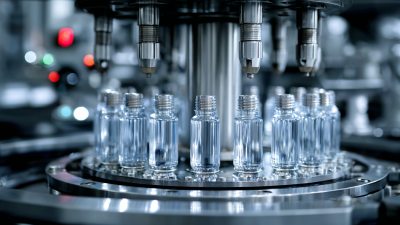
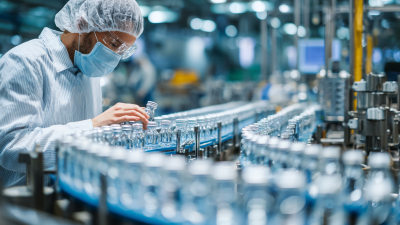
You know, Pharmaceutical Liquid Filling Machines are pretty essential in the pharma world. I came across this report from Grand View Research – it predicts that the global market for these machines could hit around $5.45 billion by 2025. Crazy, right? As the demand for liquid meds keeps climbing, these machines are becoming more and more crucial.
Dr. Emily Carter, who’s quite the expert in pharmaceutical manufacturing, mentioned that “the precision and efficiency of these filling machines can really make a difference in drug safety and how fast production happens.” Basically, they help ensure pills and liquids get accurately filled, which cuts down on errors – super important in this industry. But I get it, these machines aren’t the simplest to operate, which sometimes raises questions about how efficient they truly are.
On top of that, the industry’s got its own set of challenges. Companies are constantly trying to stay on top of strict regulations while also keeping up with new tech. It’s a balancing act—spending enough to get the latest gadgets without breaking the bank. All this change and adaptation make me think about how we can better incorporate these new technologies while still making sure everything in drug production is rock solid quality-wise.
A pharmaceutical liquid filling machine is essential for the drug industry. It automates the process of filling vials, bottles, and syringes with liquids. This machine improves efficiency and accuracy in production lines. The device ensures that each container is filled with the correct dosage of medication. Precise measurements reduce waste and enhance patient safety.
These machines can operate using various filling methods. Some use volumetric filling, while others rely on gravimetric or piston technology. The choice of method affects speed and accuracy. Users often struggle to find the best option for their needs. Factors like viscosity and container size can complicate the selection process. Machines may require adjustments, which can be time-consuming.
Operators must also focus on maintenance. Regular checks are crucial to prevent malfunctions. Any downtime can lead to losses in production. Staff training is essential for efficient operation. Yet, many companies overlook this aspect. This often results in inconsistent filling and increased error rates. A well-trained team can significantly improve outcomes.
This chart represents the efficiency of different pharmaceutical liquid filling machines in terms of the number of bottles they can fill per hour. The data illustrates the variations in productivity among various machines, highlighting Machine D as the most efficient in this scenario.
Liquid filling is a crucial process in the pharmaceutical industry. It ensures that medicines are accurately dosed and packaged. This process affects the quality and safety of the products. Pharmaceutical companies rely on precision to maintain their reputation. Any mistakes can lead to serious consequences for patients and healthcare professionals.
The liquid filling machine plays a vital role here. It automates the filling process, reducing human error. This technology helps maintain sterility and consistency. Packing liquids into vials or bottles requires careful handling. Yet, mishaps often occur. For instance, overfilling or underfilling can happen due to machine calibration issues. These errors can lead to financial loss and regulatory problems.
Moreover, the importance of liquid filling is evident in patient trust. Patients expect their medications to be reliable and effective. A single mistake can erode that trust quickly. Pharmaceutical companies must continuously evaluate their processes. Reflecting on these challenges can improve the overall quality of liquid filling.
Pharmaceutical liquid filling machines are essential in the production of liquid medications. They ensure consistent dosage and maintain sterility. Different types of machines cater to various needs in this critical sector.
One common type is the volumetric filling machine. These machines use pistons or gear pumps to deliver an exact volume of liquid. They are efficient for high-speed production lines. According to industry reports, volumetric fillers account for a significant portion of the market, with a growth rate of about 6% annually. Another variant is the peristaltic filling machine. This model is ideal for sensitive liquids. It minimizes contamination risks by using tubing to move the liquid.
Another type worth mentioning is the gravity filling machine. It’s simpler and often used for thicker liquids. However, these machines are less precise. Comparatively, the precision of volumetric fillers remains crucial. Experts note that balancing speed and accuracy is a common challenge in choosing the right machine. It's not uncommon for facilities to wrestle with these decisions, impacting overall operational efficiency.
A pharmaceutical liquid filling machine is essential in the healthcare industry. Its main purpose is to accurately fill containers with liquid medications. The key components of this machine play a vital role in ensuring efficiency and quality during the filling process.
One crucial element is the filling nozzle. It determines the flow rate and ensures that each container receives the correct amount of liquid. Poorly designed nozzles can lead to spills or underfilling. Another key component is the control system, which regulates filling speed and volume. If the controls malfunction, it can result in inconsistent fills.
Lastly, the conveyor system transports containers through different stages. It must be reliable, or it can lead to delays. Regular maintenance is necessary to keep it running smoothly. Keeping track of these components is essential for performance. Often, overlooked adjustments can cause significant problems during production. Understanding these elements can help improve operation efficiency in liquid filling processes.
Pharmaceutical liquid filling machines play a vital role in the production of medicinal liquids. The filling process is designed to ensure accuracy and efficiency. It typically involves several steps: preparation, filling, capping, and inspection. During preparation, the machine is calibrated according to the specific liquid volume needed for each container.
Liquid filling begins when the containers are placed in position. The machine draws from a reservoir and dispenses the liquid into each container. Sensors monitor the liquid flow, ensuring the correct volume is filled. A study from the International Journal of Pharmaceutics states that precision in liquid dispensing reduces waste and increases production efficiency by up to 30%.
One crucial tip for optimizing machine performance is to regularly clean and maintain equipment. A lack of maintenance can lead to errors in filling and clogs in the system. Operators should also train on the correct setup and troubleshooting methods. This ensures a smooth workflow.
Finally, consistency is key in the liquid filling process. Variations can lead to discrepancies in drug potency. It's essential for manufacturers to routinely check for uniformity in filling. Data from the Food and Drug Administration highlights that even minor variations can affect patient outcomes. Investing time to establish a rigorous quality control mechanism helps mitigate such risks.
Liquid filling machines play a crucial role in the pharmaceutical industry. They enable precise dosing of various liquids, ensuring proper medication delivery. One report highlighted that over 70% of pharmaceutical products are in liquid form. These machines streamline production, reducing errors associated with manual filling.
Common applications include filling bottles, vials, and syringes. Automated systems often handle high-volume production. They ensure consistency in dosage, which is critical for patient safety. The need for accuracy cannot be overstated; even slight variations can have significant impacts on efficacy.
Despite advances, some operators still face challenges in maintaining hygiene. Contamination can lead to product recalls, affecting both trust and finances.
Another area of concern is the adaptability of these machines. They must accommodate a range of liquid viscosities. Pharma companies often invest heavily in training operators. However, gaps in understanding can hinder optimal use. Regular maintenance is essential; neglect can result in downtime. Reports indicate that such issues lead to an average 5-15% loss in production efficiency in some plants. These factors underscore the importance of continuous improvement and vigilance in processes.
Maintenance and quality control are crucial in liquid filling operations. A well-maintained liquid filling machine ensures accuracy and efficiency. Regular checks must be conducted on seals, valves, and pumps. This helps avoid leaks or contamination. Even small issues can lead to product loss or quality concerns.
Training staff is essential. Workers should understand how to operate and maintain equipment properly. Misuse can lead to errors in filling volumes. Encouraging staff to report potential problems fosters a proactive culture. Sometimes, machines may require recalibrating to remain accurate.
Quality control measures include testing filled products. Monitoring for proper fill levels is basic yet crucial. Visual inspection for clogs or inconsistencies keeps operations running smoothly. Regular audits of production processes help identify areas for improvement. A few mistakes here and there are normal. Reflecting on these can lead to better practices. Constant vigilance is key to success.
| Dimension | Description | Importance |
|---|---|---|
| Filling Accuracy | Measures how precisely the liquid is dispensed into each container. | Critical for ensuring dosages are consistent and meet regulatory standards. |
| Machine Speed | The rate at which the machine can fill containers. | Affects overall production efficiency and output volume. |
| Maintenance Frequency | How often the machine requires servicing and checks. | Ensures optimal performance and extends the life of the machine. |
| Quality Control Checks | Tests conducted to verify the filling process and product integrity. | Essential for maintaining compliance with health regulations. |
| Container Compatibility | The ability of the machine to accommodate various container types. | Important for flexibility in production lines based on market demands. |
In the rapidly evolving pharmaceutical industry, enhancing production efficiency is paramount, particularly when it comes to the use of Pure Steam Generators (PSGs). These advanced devices utilize either water for injection or purified water to generate high-purity steam, which is crucial for various applications within pharmaceutical manufacturing. At the heart of a Pure Steam Generator is the level purifying water tank, which effectively heats deionized water using steam from a boiler, transforming it into steam that meets rigorous pharmaceutical standards.
The design of the Pure Steam Generator incorporates state-of-the-art components, including an evaporator and preheater made from intensive seamless stainless steel tubes. These materials not only ensure durability and efficiency but also contribute to maintaining the quality of the steam produced. By allowing adjustments to the outlet valve, manufacturers can achieve high-purity steam under varied backpressures and flow rates, tailored to specific sterilization needs. This adaptability is essential in preventing secondary contamination from potential impurities, thereby safeguarding product integrity in pharmaceutical processes.
As the industry shifts towards more stringent regulatory standards, the role of Pure Steam Generators becomes increasingly critical. Their ability to provide a reliable source of high-purity steam plays a vital part in maintaining compliance with industry standards while enhancing production efficiency. By minimizing the risk of contamination and optimizing operational processes, these systems not only support the overall quality of pharmaceutical products but also contribute significantly to the operational success of manufacturing facilities.
: It accurately fills containers with liquid medications, ensuring efficiency and quality.
It determines the flow rate and ensures the right amount of liquid is filled in each container.
This may lead to inconsistent fills and affect production quality negatively.
A reliable conveyor system is needed to transport containers. Delays can disrupt the workflow.
The process includes preparation, filling, capping, and inspection for quality assurance.
Without maintenance, machines can experience errors, clogs, and inefficiencies that impact production.
Staff need training on proper equipment operation and maintenance to prevent filling errors.
Regular testing, visual inspections, and audits help maintain consistent fill levels and product quality.
Manufacturers should routinely check for uniformity, as even minor discrepancies can affect outcomes.
Identifying small issues can lead to improved practices and a proactive culture in operations.
Pharmaceutical Liquid Filling Machines play a crucial role in the efficient and accurate packaging of liquid medications. These machines are designed to ensure that pharmaceutical products are filled into containers with precision, which is essential for maintaining dosage integrity and compliance with health regulations. The importance of liquid filling in the pharmaceutical industry cannot be overstated, as it directly impacts product quality and safety.
There are various types of pharmaceutical liquid filling machines tailored to meet different production needs, each comprising key components that enable the filling process to function seamlessly. Understanding how these machines operate and their common applications within the industry is vital for optimizing production efficiency. Additionally, regular maintenance and stringent quality control measures are essential to ensure the reliability and effectiveness of liquid filling operations, safeguarding both manufacturers and consumers alike.