


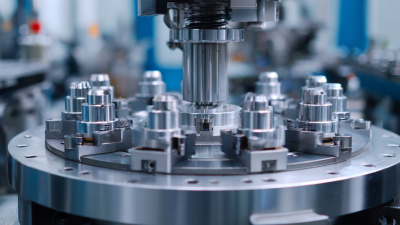
You know, pharmaceutical packaging might not be the most glamorous part of healthcare, but honestly, it’s absolutely vital for keeping drugs safe and effective. Dr. Sarah Thompson from PharmaPack Solutions puts it simply: “Good packaging really keeps meds from getting contaminated.” When patient safety is on the line, the importance of top-notch Pharmaceutical Packaging Equipment can’t be overstated. This kind of equipment makes sure every pill or liquid is sealed and labeled the right way—no shortcuts.
That said, it’s not all smooth sailing in the industry. Not every packaging system out there is up to snuff. Some just don’t have the kind of precision needed to really prevent contamination. As medications get more complex, the demand for smarter, more advanced packaging solutions only grows. And here’s the thing—many companies are still hanging on to outdated equipment that doesn’t meet today’s safety standards. That’s a pretty big risk for patients, no doubt.
In the end, what you choose for your packaging isn’t just about wrapping things up; it impacts the entire supply chain, safety included. It really affects how well medicines work and whether patients can trust what they’re getting. Investing in modern, reliable Pharmaceutical Packaging Equipment isn’t just a passing trend—it’s a must if we want patients to stay safe and confident. The industry’s focus on innovation and continuous improvement really matters if we want to reach those goals.

The Role of Pharmaceutical Packaging in Drug Safety
Pharmaceutical packaging plays a crucial role in ensuring drug safety. It protects medications from contamination, degradation, and misuse. According to a report by MarketsandMarkets, the pharmaceutical packaging market is projected to reach $1,050 billion by 2027. This growth underlines the increased focus on safety standards. Proper packaging prevents mix-ups and ensures correct dosages, which are vital for patient well-being.
Many manufacturers underestimate the importance of quality packaging. Inadequate seals or labels can lead to serious safety issues. A study published in the Journal of Pharmaceutical Sciences indicated that over 30% of medication errors are linked to unclear packaging. Simple design flaws can result in dire consequences, highlighting the need for ongoing evaluation and improvement in packaging solutions.
Moreover, the rise of counterfeit drugs further emphasizes the necessity of secure packaging. The World Health Organization estimates that one in ten medicinal products is falsified. Packaging that includes tamper-evident features can significantly reduce this risk. However, not all companies prioritize these innovations, which is concerning. As the industry evolves, continuous investment in safe packaging solutions is essential. Addressing these gaps will be crucial for enhancing patient trust and safety.

Innovative Solutions for Efficient Packaging: An In-Depth Look at Automatic Blister Packing & Cartoning Machines
Innovative solutions in packaging play a crucial role in enhancing efficiency and productivity in various industries. Among the standout technologies are automatic blister packing and cartoning machines, which streamline the packaging process while ensuring product safety and presentation. The typical production line consists of several key machines, each designed to perform specific functions that together facilitate a seamless workflow.
At the forefront of this line is the blister machine, which is employed to create blister packs that securely hold individual products. This machine not only forms the blisters but also ensures that each package is tamper-resistant and visually appealing. Following the blistering process, the cartoner seamlessly takes over, packaging the blister packs into cartons. This automation reduces manual intervention, thus minimizing errors and enhancing speed. Additionally, a labeller is incorporated to efficiently apply labels to the cartons, ensuring that products are correctly identified and meet regulatory requirements.
The integration of these machines reflects a significant advancement in packaging technology. By automating the packaging process, companies can reduce labor costs, increase output, and maintain high standards of quality and compliance. The use of automatic blister packing and cartoning machines underscores a commitment to innovation and efficiency in the packaging sector, ultimately benefiting manufacturers and consumers alike.

FAQS
: Many categories exist, like clothing, electronics, and home goods. Each has unique features that attract buyers.
Check product reviews and ratings. Look for clear details on materials and specifications.
Contact the seller directly. Keep records of your order. Patience is necessary as delivery can be delayed.
Some sites charge for shipping or have unexpected taxes. Always review the total cost before checkout.
Look for "https" in the URL. Secure sites usually display a padlock icon. Use these as a guideline.
Returning products is possible for many retailers. Review their return policy before purchasing.
Contact customer service immediately. They can help resolve the issue. You may need to return the item.
Use trusted websites. Consider using a digital wallet for added security. Always monitor your accounts.
Websites track your browsing behavior. This is common practice in online marketing. It can feel intrusive but is normal.
Look for newsletter sign-ups or coupon codes. Many sites offer sales during holidays or special events.
Conclusion
Pharmaceutical Packaging Equipment plays a crucial role in ensuring drug safety and efficacy throughout their lifecycle. The packaging not only protects medications from contamination and damage but also extends shelf life and maintains effectiveness. Various types of packaging equipment, equipped with key safety features such as tamper-evidence and child resistance, help comply with stringent regulatory standards governing the industry. These advancements not only ensure consumer safety but also enhance operational efficiency in pharmaceutical manufacturing.
Despite the advancements, challenges remain in pharmaceutical packaging, including the need for innovation in materials and processes to keep pace with emerging threats. Solutions such as smart packaging technologies are on the rise, promising to improve tracking and monitoring of drug products. As the pharmaceutical industry evolves, future trends in packaging technology are likely to focus on sustainability and enhanced safety measures, further emphasizing the importance of Pharmaceutical Packaging Equipment in safeguarding public health.
Related Posts
-

Top 10 Tips for Choosing the Right Pharmaceutical Packaging Equipment
-

How to Select the Perfect Pharma Blister Cartoner Machine for Your Production Needs
-

Explore the Future: 2025 Top Pharmaceutical Packaging Equipment Innovations
-

Ultimate Guide to Selecting the Best Pharmaceutical Liquid Filling Machines in 2025
-
The Complete Ultimate Guide to Finding the Best Blow Fill Seal Manufacturers
-

Empowering Global Markets with Premier Chinese Vial Cap Sealing Machine Innovations
