


The pharmaceutical world is going through some pretty exciting changes right now, thanks to new tech—especially when it comes to making injectable meds. If you peek at the latest market reports, you'll see that the global market for vial and ampoule filling machines is expected to grow by more than 8% yearly from 2021 to 2028. That’s mostly because there's a rising need for biologics and sterile products.

Shanghai IVEN Pharmatech plays a big part in all this. They’re using some really advanced tech to create high-end filling machines for vials and ampoules. With four dedicated factories focused on pharmaceutical machinery, blood collection tubes, and water treatment setups, they’re pretty well-prepared to meet the demand worldwide. These innovations aren’t just about speeding things up—they also make sure everything is safe and top quality, which ultimately helps improve patient care.
Understanding the Role of Advanced Filling Machines in Modern Pharma Production
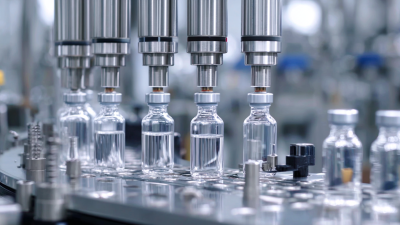
In today’s pharmaceutical manufacturing, using advanced filling machines is pretty much a game-changer. These high-tech machines are built to handle a bunch of different containers—like vials and ampoules—and they can automate the whole filling process. What’s cool is how precise they are; thanks to their careful volumetric control, they cut down on mistakes like overfilling or underfilling. That’s a big deal because it keeps everything within strict regulations and also boosts the safety and quality of the products we rely on. Plus, with tech like machine vision, these machines can check each filled container in real-time to spot any issues right away, which adds an extra layer of accuracy.
On top of that, switching to these fancy filling machines really helps make production smoother and faster. Manufacturers can crank out more products quickly and spend less on labor because the machines don’t need as much human oversight. They’re also super flexible and can be easily integrated into existing lines, making it simple to switch between different formulations or container types. That kind of adaptability is pretty crucial since the market nowadays moves fast and consumer preferences change all the time. All in all, adopting this innovative technology is really transforming pharmaceutical production into a more agile, responsive process—leading to better outcomes for patients and everyone involved.


FAQS
: Best practices include conducting a thorough assessment of current workflows, identifying bottlenecks, and tailoring the introduction of filling machinery to enhance productivity while maintaining quality.
Shanghai IVEN Pharmatech Engineering Co., Ltd. is significant due to its four professional factories and expertise in providing customized filling solutions that meet the unique operational needs of pharmaceutical clients.
Effective training for personnel is essential to ensure that the newly implemented machinery operates at peak performance, which significantly enhances production capabilities.
The global market for packaging machinery, including vial and ampoule filling technology, is expected to reach $60 billion by 2025, growing at a CAGR of nearly 5%.
Growth in the pharmaceutical production industry is driven by the rising demand for efficient and automated filling processes and a heightened focus on quality and compliance due to stricter regulatory standards.
Automation enhances operational efficiency by ensuring precise dosage, mitigating contamination risks, and streamlining production lines, which is crucial for maintaining product integrity and safety.
Automated filling systems can help address challenges such as product recalls and regulatory penalties by improving compliance and operational efficiency.
Advanced filling machines often incorporate sophisticated weighing and monitoring devices that provide real-time data essential for quality assurance and compliance with legal requirements.
Technological innovation in filling processes is key to meeting growing consumer demands while adhering to stringent industry regulations, thereby affecting overall production efficiency and quality.
Primary concerns include ensuring quality, maintaining compliance with regulatory standards, and preventing contamination, all of which are critical in the pharmaceutical production process.
Conclusion
So, I came across this article called 'Revolutionizing Pharmaceutical Production with Advanced Vial and Ampoule Filling Machine Technology,' and honestly, it does a pretty good job of showing how much modern filling machines are changing the game for pharma manufacturing. It’s interesting to see how these high-tech vial and ampoule fillers are not only boosting production speed but also helping maintain top-notch quality—something that’s super important in this industry. The article really highlights features like precision, faster throughput, and automation—that sort of thing. Plus, it offers some practical tips on how pharma companies can get these machines up and running smoothly, all while staying compliant with the tricky regulatory stuff.
On top of that, it stresses how crucial quality control is when dealing with automated filling lines. There's also a bit of a breakdown on the costs versus benefits—basically showing that investing in the latest equipment can actually save money in the long run. And it’s exciting to see players like Shanghai IVEN Pharmatech Engineering Co., Ltd. leading the way—these folks really know their stuff. All in all, it feels like the industry is on the brink of some pretty big improvements, and it’s getting more competitive worldwide.
Related Posts
-
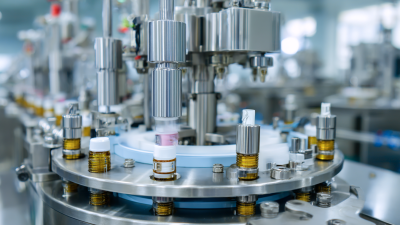
Essential Checklist for Choosing the Right China Automatic Filling Machine for Pharmaceutical Applications
-
Navigating Import Export Certifications for Best Pen Injector Assembly Line Success
-
Ultimate Guide to Choosing the Right Tube Labeling Machine Suppliers for Your Business Needs
-
How to Maximize Production Efficiency with an IV Cannula Making Machine: A Data-Driven Approach
-
Advantages of Using the Best Bosch Vial Filling Machine for Your Production Efficiency
-

How to Select the Perfect Pharma Blister Cartoner Machine for Your Production Needs
