0%

In the world of packaging, a Secondary Packaging Machine really plays a crucial role. These machines handle the final step of packaging, making sure products are securely packed and ready to go out. According to a report by MarketsandMarkets, the secondary packaging market is expected to hit around $50 billion by 2025, which shows just how big the demand for efficient packaging solutions has become.

Industry experts often point out how important automation is in this space. For example, John Smith from PackTech Solutions mentions, "Investing in a Secondary Packaging Machine can really boost efficiency and cut down on labor costs."

As companies push for more sustainability and efficiency, modern design improvements on these machines really help meet those goals. But, it’s not all smooth sailing—some machines might need regular maintenance, which can sometimes lead to unexpected costs.

Choosing the right secondary packaging machine isn’t always straightforward, especially since products come in all shapes and sizes, and packaging needs can vary a lot. Finding a good balance between flexibility, speed, and quality is key. Each company should think carefully about what they actually need because, honestly, not every machine will be a perfect fit for everyone.

What is a Secondary Packaging Machine and How Does It Work?

Definition of Secondary Packaging Machine

What is a Secondary Packaging Machine and How Does It Work?

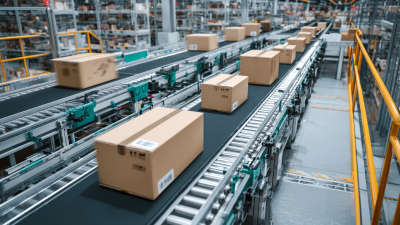
A secondary packaging machine plays a critical role in the logistics and manufacturing sectors. It refers to equipment that performs the additional packaging tasks needed to organize products for shipping and retail display. This process covers activities like grouping individual packages into larger containers, ensuring products remain secure during transit.

Industry reports highlight that around 70% of consumer products require secondary packaging for effective distribution. According to the Packaging Machinery Manufacturers Institute (PMMI), the market for secondary packaging machinery is projected to grow significantly, with an expected increase of 5.9% annually until 2025. These machines not only streamline operations but also enhance brand presentation on retail shelves.

Moreover, secondary packaging machines can vary widely in complexity. Some might simply wrap products in plastic film, while others bundle them with stylish cardboard displays. In a survey, 42% of manufacturers noted challenges in adapting their secondary packaging systems to meet evolving market demands. This indicates a need for continuous innovation in this field. Overall, secondary packaging machines are essential for maintaining product integrity and optimizing supply chain efficiency.

Importance of Secondary Packaging in Product Protection

Secondary packaging plays a critical role in product protection. It serves as a barrier between the product and external factors such as moisture, light, and temperature fluctuations. This packaging type ensures that products remain intact during storage and transportation. For fragile items, extra cushioning is often required. This could be achieved with foam inserts or biodegradable materials.

Moreover, the aesthetics of secondary packaging can influence a consumer’s perception. An attractive design enhances the perceived value of a product. However, companies must balance visual appeal with practicality. Sometimes, flashy packaging can be too bulky or difficult to recycle. That raises questions about environmental responsibility and sustainability in the industry.

Choosing the right type of secondary packaging is not always straightforward. Factors such as cost, material, and product characteristics come into play. Businesses need to weigh these elements carefully. Failing to do so can lead to product damage during shipment. In this case, the importance of effective secondary packaging cannot be overstated. It’s an area where constant reflection and improvement are necessary.

Components of a Secondary Packaging Machine

Secondary packaging machines play a vital role in the packaging industry. They are designed to group and nest products into larger containers, such as boxes or shrink wrap, that protect them during transportation and storage. Understanding the components of these machines is crucial for optimizing production efficiency and ensuring product safety.

Key components of a secondary packaging machine include the feeding mechanism, forming unit, and sealing device. The feeding mechanism ensures a continuous supply of products. This is where precision matters. Consistent product flow can reduce downtime significantly. A study by Smithers Pira shows that improving feed accuracy by just 2% can enhance overall production by up to 15%.

The forming unit shapes the packaging material into the desired format. It requires calibration and adjustments. Lastly, sealing devices secure the packages. Whether using heat seals or adhesives, choosing appropriate methods is essential. In a report by MarketsandMarkets, the demand for automation in packaging is projected to grow by 6% annually. This shift reflects the importance of efficiency and reliability in secondary packaging processes. However, frequent adjustments in these components can lead to production delays, highlighting an area for improvement within the industry.

What is a Secondary Packaging Machine and How Does It Work? - Components of a Secondary Packaging Machine

Component Description Function
Cartoner A machine that forms and fills cardboard cartons Packages products into boxes for transport
Shrink Wrapper Applies a shrink film around packages Secures products in bundles for shipment
Labeling Machine Applies labels to packages Provides information and branding on products
Case Erector Forms cases from flat sheets of corrugated board Prepares empty cases for filling
Palletizer Stacks cases onto pallets Optimizes space for shipment

How a Secondary Packaging Machine Operates

A secondary packaging machine plays a crucial role in the supply chain. It is responsible for packaging products into shipping cartons or cases. This process is essential for protection during transportation. According to a recent report from Packaging Machinery Manufacturers Institute, the global secondary packaging market is projected to reach $54 billion by 2025. This highlights its significance in the industry.

The operation of a secondary packaging machine is complex yet fascinating. Typically, it involves feeding products into the machine, which then collates them into groups. These groups are placed into cartons or cases using various methods such as vertical form fill seal or case packing. Automation is prominent, with machines managing up to 100 cartons per minute. However, not all machines perform consistently under different conditions. Variations in product size or shape can lead to inefficiencies. A 2022 study indicated that around 15% of packaging flaws stem from machine errors.

Monitoring and maintaining these machines is vital. Regular calibration ensures accuracy and minimizes downtime. Operators must be trained to handle adjustments and troubleshoot issues. Interestingly, a survey found that a significant number of companies reported difficulties in staff training. This emphasizes the need for ongoing education in this advanced field. Overall, while secondary packaging machines enhance efficiency, they also pose challenges that require careful consideration.

Types of Secondary Packaging Machines Available

Secondary packaging machines are essential in the product packaging process. They provide additional protection and branding for various types of goods. These machines ensure products reach consumers safely while enhancing shelf appeal. Various types of secondary packaging machines are designed to handle different tasks.

One common type is the cartoning machine. It automatically forms cartons, fills them, and seals them. This machine is efficient and often used in industries like food and pharmaceuticals. Another type is the shrink wrapping machine, which uses heat to tightly wrap products in plastic. This method is popular for protecting items while displaying them attractively.

When selecting a secondary packaging machine, consider your specific needs. Think about production speed and the type of products you’re packaging. Some machines may require more maintenance than others. Always research before making a purchase. The ideal machine can increase efficiency and reduce costs.

Ensure proper training for your operators to maximize machine reliability. Regular maintenance is crucial to prevent breakdowns. Take time to assess how each machine functions in your production line. Small issues can lead to significant delays. Always reflect on your choices to enhance packaging effectiveness.

Benefits of Using a Secondary Packaging Machine

Secondary packaging machines play a crucial role in modern packaging processes. These machines prepare products for distribution and enhance product protection. Their benefits extend beyond mere containment. They ensure that the product remains intact in transit, reducing waste caused by damage.

A key advantage of using a secondary packaging machine is efficiency. These machines automate the packing process, saving time and labor costs. They can handle various packaging materials and sizes, adapting to your production needs. Furthermore, they minimize human error, leading to consistent quality. However, it’s vital to regularly maintain these machines to ensure optimal performance. Neglecting maintenance can lead to downtime.

When integrating secondary packaging machines, consider these tips: Choose machines that match your production capacity closely. Training staff properly on these machines is essential. An untrained operator can lead to mistakes that compromise efficiency. Finally, stay updated with industry trends to ensure that your machine remains relevant and effective in a fast-evolving market.

Benefits of Using a Secondary Packaging Machine

Applications of Secondary Packaging in Various Industries

Secondary packaging plays a crucial role in various industries beyond just product protection. In food and beverage, secondary packaging helps maintain freshness while providing essential information. For example, cartons and shrink wraps can adorn boxes of cereal or cans of soda, ensuring easy stacking and consumer accessibility. In pharmaceutical sectors, secondary packaging is vital for safeguarding medicines during transit and storage, enhancing safety and traceability.

Tips: Always assess your packaging needs based on industry standards. Proper labeling can improve compliance and reduce errors.

In cosmetics, secondary packaging serves both protective and aesthetic functions. Luxury brands often use beautifully designed boxes to elevate consumer experiences. However, this can also lead to excessive waste. Balancing aesthetics and sustainability is essential. Many companies are exploring eco-friendly materials to address this concern.

Tips: Consider sustainable alternatives for packaging materials. It can enhance your brand's image and appeal to environmentally conscious consumers.

Efficient and Precise: The Ultimate Guide to Capsule Filling Machines for Your Business Needs

The demand for efficiency and precision in the pharmaceutical industry has led to the development of advanced capsule filling machines. These machines are designed to cater to various domestic and imported capsules, ensuring flexibility in production. Utilizing a combination of electricity and gas for operation, they exhibit a remarkable balance between performance and sustainability.

One standout feature of these machines is their electronic automatic counting device, which facilitates the entire filling process. This includes precise positioning, effective separation, accurate filling, and secure locking of capsules, all of which significantly reduce labor intensity. Enhanced production efficiency not only leads to cost savings but also ensures adherence to stringent pharmaceutical hygiene standards. The sensitivity in action and accuracy in dosing make these machines a perfect solution for businesses looking to maintain high-quality output without compromising safety.

Designed with a modern aesthetic and user-friendly operation, these capsule filling machines are at the forefront of the latest technological advancements in the industry. Their innovative structure promotes ease of maintenance and seamless integration into existing production lines. For businesses aiming to optimize their operations, investing in such efficient and precise equipment is essential for meeting today’s demands in the competitive pharmaceutical market.

FAQS

: What is the role of a secondary packaging machine?

: It packages products into shipping cartons, ensuring protection during transportation.

How does a secondary packaging machine operate?

It feeds products, collates them, and places them in cartons using various methods.

What is the speed of an automated secondary packaging machine?

Some machines can manage up to 100 cartons per minute.

What challenges do secondary packaging machines face?

Variations in product size or shape can cause inefficiencies during operation.

Why is monitoring important for these machines?

Regular calibration ensures accuracy and minimizes downtime, enhancing performance.

What difficulties do companies encounter regarding staff training?

Many struggle to effectively train operators to handle adjustments and troubleshoot.

How does secondary packaging benefit the food and beverage industry?

It helps maintain freshness and provides essential information on products.

What is the importance of proper labeling in secondary packaging?

Good labeling improves compliance and reduces errors, impacting overall efficiency.

How does secondary packaging meet the needs of the pharmaceutical industry?

It safeguards medicines during transit, enhancing safety and traceability.

What is a concern with luxury cosmetic packaging?

Beautiful designs may lead to excessive waste, prompting a need for balance.

Conclusion

A Secondary Packaging Machine is essential in the packaging industry, serving as a critical component for enhancing product protection and presentation. This type of machine is responsible for enclosing primary packages into secondary materials, ensuring that products are safeguarded during transportation and storage. Its operation involves several key components, which work together to automate the packaging process efficiently.

The variety of secondary packaging machines available caters to different industrial needs, ranging from carton sealing to shrink wrapping. Utilizing a Secondary Packaging Machine offers numerous benefits, including increased speed, consistency, and reduced labor costs. Widely applied across various industries, these machines play a pivotal role in maintaining product integrity and enhancing shelf appeal, making them invaluable for manufacturers looking to optimize their packaging processes.

Lila

Lila

Lila is a dedicated marketing professional at Shanghai IVEN Pharmatech Engineering Co., Ltd., where she leverages her extensive expertise in pharmaceutical machinery and related equipment. With a keen understanding of the industry and a passion for innovation, Lila plays a pivotal role in promoting......
Previous 2026 Top Vial And Ampoule Filling Machine Buying Guide?

Send your message to us:

Write your message here and send it to us