


Selecting the right Vial Filling Line is crucial for any business in the pharmaceutical and cosmetic industries. The efficiency of your production process can significantly impact your bottom line. A well-chosen filling line enhances productivity and ensures consistent quality. However, companies often face challenges in making the right choice.
Many factors must be considered. For example, the types of vials your company uses can affect the filling line's design. Additionally, the desired production speed may vary, leading to different line specifications. It is also essential to assess the compatibility of the filling line with existing equipment. Sometimes, even with good research, businesses may experience unexpected issues.
It’s vital to engage with experienced suppliers. They can offer insights that you might overlook. Choosing a Vial Filling Line is not merely a mechanical decision; it’s a strategic one. The right line would not only improve workflow but also contribute to product safety. Reflecting on past decisions can guide better choices in the future.

Understanding Your Business Requirements for Vial Filling Lines
When selecting a vial filling line, understanding your business requirements is crucial. Start by assessing your production volume. According to a recent industry report, around 68% of manufacturers identified production capacity as a key factor in their purchasing decisions. If your business needs to fill thousands of vials daily, a high-speed filling system is essential.
Next, consider the type of liquids you plan to fill. A report from market experts highlighted that 45% of companies faced challenges with viscosity variations. This impacts the type of technology required for your line. For instance, thicker liquids may require a different nozzle design than lighter ones. Don’t overlook the importance of versatility in your filling line. It might save you from future costs and modifications.
Lastly, evaluate the automation level that meets your operational efficiency. Some businesses fall into the trap of over-automating processes when manual handling may suffice. Balancing automation with human oversight leads to optimal results. Think about scalability, as your business may grow but your current line may not meet future needs. Always reflect on these areas to avoid costly missteps.

Optimizing Efficiency and Quality in Vial Liquid Filling Production Lines for Modern Manufacturing
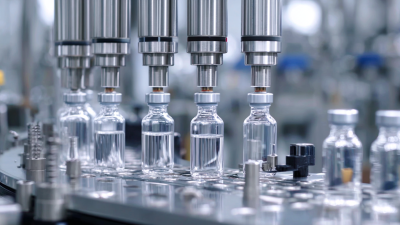
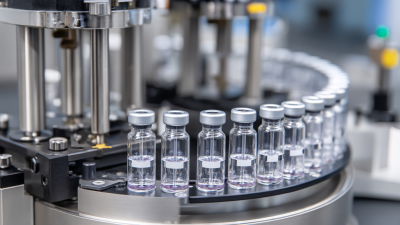
In modern manufacturing, optimizing efficiency and quality in vial liquid filling production lines is crucial to meet the increasing demand for precision and reliability. The comprehensive vial liquid filling production line is designed to enhance operational workflows while maintaining the highest standards of product quality. Through the integration of various machines, including a vertical ultrasonic washing machine, RSM sterilizing drying machine, filling and stoppering machine, and KFG/FG capping machine, this production line ensures that each stage of the process is meticulously handled.
The journey begins with the vertical ultrasonic washing machine, which utilizes advanced ultrasonic technology to thoroughly clean vials, removing any contaminants that could affect product integrity. Following this, the RSM sterilizing drying machine plays a vital role in both sterilizing and drying the vials to prepare them for filling. This stage is essential in preventing microbial contamination, ensuring the safety and efficacy of the liquid products. Next, the filling and stoppering machine works with precision to fill each vial accurately and securely place the stopper, while the KFG/FG capping machine finalizes the process by applying caps with consistent torque, thereby safeguarding the contents and maintaining product quality.
Notably, the design of this production line allows all machines to operate in synergy or independently, providing flexibility to manufacturers based on their production needs. By employing this state-of-the-art vial liquid filling production line, manufacturers can significantly enhance productivity while ensuring that each vial meets the stringent requirements of today's market, ultimately leading to greater customer satisfaction and trust.

FAQS
: Many categories exist, including electronics, clothing, and home goods. Seasonal items also change frequently.
Read customer reviews. Look for return policies and guarantee options to safeguard your purchase.
Generally, it is safe if you use secure sites. Be cautious with personal information sharing.
Most retailers offer standard and expedited shipping. Delivery times vary based on location and method.
Yes, tracking information is often provided. Check your email or the retailer’s website for updates.
Contact customer service immediately. Document the damage with photos and follow their return process.
Sometimes, taxes and shipping fees apply. Always check the final cost before confirming your order.
Visit the retailer's cancellation policy. Timing is crucial; act quickly to avoid shipping delays.
Use the "forgot password" link on the login page. Follow the instructions to reset it securely.
It addresses issues and builds trust. Good service leads to a better shopping experience and repeat customers.
Conclusion
When selecting the best Vial Filling Line for your business, it is crucial to first understand your specific requirements, including the types of liquids being filled, production volume, and future scalability. There are various types of vial filling lines available, each designed to cater to different operational needs, which should be carefully considered alongside key features such as automation level, speed, and accuracy.
Evaluating production capacity is essential to ensure that the chosen filling line can meet current demands while providing room for future growth. Additionally, a thorough cost analysis will help budget effectively for the equipment, while assessing ongoing maintenance and support options ensures long-term efficiency. Lastly, compliance with industry regulations is critical in selecting a vial filling solution that not only meets operational goals but also adheres to necessary standards.
Related Posts
-

Exploring the Latest Innovations in Vial Filling Equipment for Enhanced Efficiency
-

Revolutionizing Pharmaceutical Safety with Advanced Vial Packaging Machines in 2023
-

Top 10 Vial Packaging Machines for Efficient Production in 2023
-
Advantages of Using the Best Bosch Vial Filling Machine for Your Production Efficiency
-
Ultimate Checklist for Selecting the Right Vial Filling Equipment
-

How to Optimize Your Production Line with a Vial Ampoule Machine
