


Picking the right Pharma Blister Cartoner machine isn’t just a simple choice — it’s a pretty important decision for any pharma company looking to make their production run smoother and more efficient. Here at Shanghai IVEN Pharmatech Engineering Co., Ltd., we totally get how tricky it can be to find that perfect cartoning solution that fits your specific operational needs. We’ve got four dedicated factories doing everything from pharmaceutical machinery and blood tube production to water treatment equipment, so we bring a ton of expertise and innovation to the table.

In this guide, I’ll walk you through the key things to think about when choosing a Pharma Blister Cartoner. The goal? Help you boost efficiency, keep your products safe and intact, and make your packaging process a lot more streamlined. Whether you’re ramping things up or just looking to add more automation, understanding these points should help you make smart decisions that line up with your production goals.
Key Considerations for Choosing a Pharma Blister Cartoner Machine Based on Production Volume Requirements
When you're on the hunt for a pharma blister cartoner machine, one of the most important things to think about is your production volume. You want to make sure it’ll run smoothly and won’t break the bank. So, take a good look at what you’re currently producing and what you expect to produce in the future. If you're a big operation, you might lean toward fully automated machines—they're built for speed and nonstop work. But if you're a smaller outfit, semi-automated options might do the trick—they’re more flexible and usually cheaper upfront.
Also, don’t forget to check how the machine handles different batch sizes and product varieties. It’s handy if the machine has adjustable features to fit different blister pack sizes or carton styles, especially if you carry a diverse line of products. Scalability is another biggie—think about whether it’s easy to upgrade or expand the machine as your production demands grow. That way, you’re not stuck having to buy a whole new setup down the road. And finally, trust me, don’t overlook after-sales support and spare parts availability. These little things can make a huge difference when it comes to keeping your production line running smoothly without unexpected hiccups or costly downtime.


Innovative Solutions for Efficient Vaccine Delivery: A Comprehensive Guide to Prefilled Syringe Machines
The advent of prefilled syringes in the 1990s marked a significant breakthrough in the drug packaging and delivery landscape. This innovative solution has transformed the administration of medications, particularly in high-stakes fields such as immunology and surgical procedures within ophthalmology, otology, and orthopedics. According to a report by Grand View Research, the global prefilled syringe market is expected to reach USD 10.8 billion by 2025, growing at a compound annual growth rate (CAGR) of 10.5%. This growth is fueled by the increasing demand for safe and efficient medication delivery methods, which prefilled syringes readily provide.
Prefilled syringes offer numerous advantages, including reduced risk of contamination, precise dosing, and enhanced patient compliance. The packaging and storage of high-grade drugs in these syringes improves the overall efficacy of the treatments while minimizing the potential for error during administration. Furthermore, the World Health Organization emphasizes the significant role these devices play in curbing the spread of infectious diseases, especially in vaccination campaigns where efficiency and safety are paramount.
As the medical industry progresses, the development of cutting-edge prefilled syringe machines is pivotal. These machines not only automate the filling process but also ensure the integrity of the drug throughout its lifecycle. Industry reports indicate that the demand for such advanced machinery will continue to rise, driven by the ongoing need for improved vaccine delivery systems in light of global health challenges. By investing in innovative prefilled syringe technology, medical practitioners can enhance treatment effectiveness and contribute to better health outcomes on a larger scale.

FAQS
: It's essential to assess current and projected production needs. High-volume manufacturers may benefit from fully automated machines for speed, while smaller operations might prefer semi-automated options for flexibility and lower costs.
The machine's capacity, usually measured in cartons per minute, should align with your operational goals to ensure efficiency and effectiveness in production.
Machines that offer adjustable features to accommodate different blister pack dimensions or carton designs are critical for companies with diverse product lines.
Scalability allows the machine to grow with production needs, preventing costly replacements as demand increases.
After-sales support and the availability of spare parts significantly affect production uptime and maintenance costs, making them important considerations.
Different pharmaceutical products may require various packaging materials like PVC, PVDC, or aluminum foil, each affecting the choice of cartoner.
A cartoner must be capable of handling various thicknesses and forms of packaging materials, which may require different mechanical settings or tooling.
Speed, accuracy in folding, and sealing processes are essential attributes that ensure the cartoner can meet the specific requirements of various materials.
Understanding material compatibility ensures efficient operation and maintains product integrity during the packaging process.
Smaller operations may find semi-automated options more affordable with lower upfront costs, while larger manufacturers may invest in automation for long-term efficiency gains.
Conclusion
Picking out the right Pharma Blister Cartoner Machine is pretty important if you want to keep things running smoothly in the pharmaceutical world. Honestly, it helps to think about how much you need to produce – are you better off with a horizontal or vertical model? Sometimes it’s just about what fits best with your setup. Speed matters too, so it’s good to look at industry standards to see what kind of output you’re aiming for and make sure it lines up with your goals. Don’t forget to check if the machine’s compatible with different packaging materials—that way, you’re covered no matter what you’re packing.
It’s also smart to do a bit of a cost-benefit analysis. Like, weigh the upfront costs against long-term efficiency. And of course, staying compliant with all the industry regulations is a must. Companies like Shanghai IVEN Pharmatech Engineering Co., Ltd. offer a pretty wide range of pharmaceutical machinery, including high-tech Pharma Blister Cartoner Machines. They can really help boost your packaging process without sacrificing quality or safety — pretty important, right?
Related Posts
-
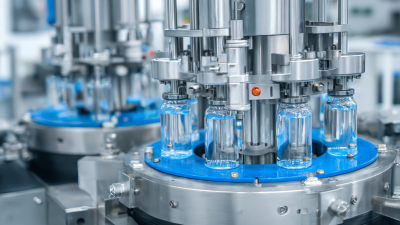
The Future of Liquid Filling Machines: Innovations Shaping Tomorrow's Manufacturing
-
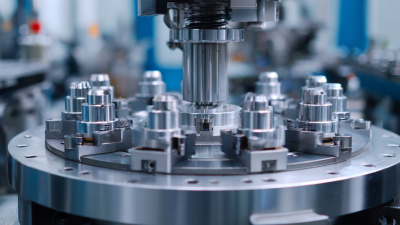
The Complete Ultimate Guide to Finding the Best Blow Fill Seal Manufacturers
-

How to Choose the Best Filling Isolator Line For Your Vial Production Needs
-
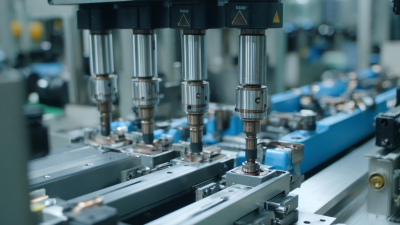
Navigating Import Export Certifications for Best Pen Injector Assembly Line Success
-
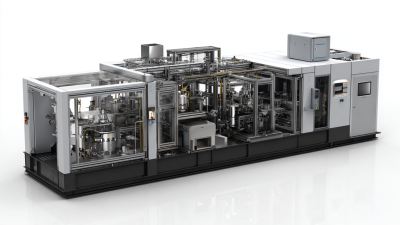
Exploring After-Sales Service Benefits and Future Innovations in Dry Powder Filling Machinery
-
How to Choose the Right Syringe Filter Manufacturers for Your Laboratory Needs
