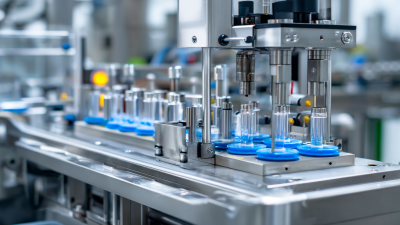
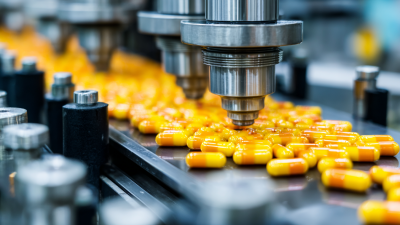
In today’s ever-changing world of sterile packaging, Aseptic Capping Machines really stand out as a crucial piece of the puzzle. Especially in industries like food and pharma, where hygiene isn’t just a plus—it's a must. These machines help make sure your products stay contaminant-free during sealing, which is a huge deal. But honestly, picking the right capping machine? That can feel overwhelming with so many options out there.
A lot of companies end up feeling decision-fatigued, just trying to figure out what’s best. The trick is really understanding what each machine brings to the table. Some are lightning-fast, while others offer more flexibility—it's all about matching the machine to your specific needs. Machines from top-notch manufacturers can seriously boost your efficiency and improve product quality, no lie.
So, thinking about what your facility actually needs is super important. Every place has different demands, and not every machine on the market's a perfect fit. Choosing the right equipment isn’t something to rush—do your homework, weigh your options. To help you out, I’ve put together a list of five standout machines that are definitely worth checking out right now.
Aseptic capping machines play a crucial role in the packaging processes of sensitive products. These machines ensure that containers are sealed in a sterile environment, preventing contamination. Understanding their importance is vital for industries such as pharmaceuticals, food, and beverages. They maintain product integrity and extend shelf life. This technology employs high-precision methods to minimize exposure to bacteria and other harmful microorganisms.
When selecting an aseptic capping machine, consider its efficiency. Look for features that reduce downtime. User-friendly controls are essential for seamless operation. A reliable machine should maintain consistent performance under varying conditions.
Tip: Regular maintenance is key to optimal performance. Schedule routine checks to prevent unexpected breakdowns. It's essential to train staff on best practices for operation. Proper training minimizes errors that may compromise sterility. Over time, even the best machines can face issues due to wear and tear. A proactive approach helps sustain operational efficiency.
Investing in aseptic capping machines can seem daunting. Prioritize machines that align with your production goals. Evaluate your space and workflow needs closely. A machine’s adaptability can significantly impact overall success. It's worth often re-evaluating existing equipment to ensure it meets your current demands effectively. Always stay updated on advancements in aseptic technology.
When exploring aseptic capping machines, certain key features stand out. First, look for a reliable sealing mechanism. Effective seals prevent contamination and preserve product integrity. An ideal machine should maintain a sterile environment throughout the capping process. This is essential for maintaining the quality of sensitive products like pharmaceuticals and food.
Speed and efficiency are critical as well. Machines should boast a high output, while still ensuring accuracy. Fast operation saves time and boosts productivity. However, it is vital to balance speed with precision. Sometimes, in a rush, machines may overlook minute details, leading to potential issues.
User-friendly interfaces enhance operational efficiency. Operators should easily navigate the machine settings. Clear displays and intuitive controls help reduce errors and training time. Still, some machines may offer overly complex setups, which can lead to frustration. Regular maintenance is necessary to ensure longevity. Machines may require troubleshooting over time, making operator skill development crucial.
Aseptic capping machines play a crucial role in maintaining product sterility. They are essential for industries like pharmaceuticals and food processing. Ensuring that containers are sealed properly prevents contamination. With increasing production demands, efficiency is more important than ever.
When selecting a capping machine, consider its speed and accuracy. Some machines can cap thousands of containers per hour. However, high speed may lead to issues if the equipment isn’t properly calibrated. Maintaining consistent torque is key. This helps prevent leaks or breaks in the seal.
Another aspect to think about is the machine's adaptability. Aseptic capping machines should handle various container types. This could improve overall productivity. Some machines struggle with different sizes or shapes. This can result in downtime while making adjustments. Monitoring these factors helps ensure a smoother operation. Regular maintenance is just as crucial; it improves lifespan and prevents costly breakdowns.
When exploring aseptic capping machines, it's essential to compare the features that matter most. Aseptic capping is crucial in maintaining product integrity. Key features include speed, accuracy, and automation capabilities. These factors significantly impact your production line efficiency.
Tips: Evaluate your production scale. Smaller operations might benefit from compact models, while larger manufacturers may need high-capacity machines. Additionally, consider the ease of cleaning. Machines that allow quick access for cleaning improve hygiene without extensive downtime.
Don’t overlook the importance of machine compatibility with your current systems. Some machines may require substantial adjustments to integrate seamlessly. This transition can be costly and time-consuming. It’s vital to conduct thorough research and seek expert advice before making a purchase. Consulting with technical specialists can help clarify your options.
Aseptic capping technologies play an essential role in various industries, including pharmaceuticals, food, and beverages. These technologies ensure products remain sterile during packaging, which is vital for consumer safety. According to the International Society for Pharmaceutical Engineering, failure in sterile processes can lead to significant product recalls and potential health hazards.
In the food industry, aseptic capping is crucial for products like sauces and juices. A report by Future Market Insights indicates that the global aseptic packaging market is expected to grow at a CAGR of 7.9% from 2023 to 2032. This growth emphasizes the increasing demand for safe and sustainable packaging solutions. However, not all companies effectively implement these technologies. Some facilities still struggle with maintaining sterile environments, risking contamination.
Moreover, few businesses prioritize proper training for personnel handling aseptic processes. A survey by the Food and Drug Administration found that training deficiencies contribute to 30% of sterile process failures. Creating a culture of continuous improvement can help address these challenges. Investing in reliable aseptic capping machines is only part of the solution; emphasizing training and adherence to best practices is equally important.
Aseptic capping machines play a crucial role in the food and beverage industry. They ensure products remain sterile, which is vital for safety and quality. Regular maintenance is key to their efficiency. Inspections should include checking seals and monitors. Neglecting these areas can lead to contamination.
Regular calibration is essential. Studies show that machines can drift over time. A 2% variation in sealing temperature can significantly affect product safety. Operators should schedule routine checks to maintain optimal settings. Keeping a log of maintenance can help in identifying patterns and potential issues. Simple actions can make a big difference.
Tip: Clean the machine regularly to prevent residue buildup. Residues can affect both performance and product quality. Also, train staff to recognize signs of malfunction. Early detection may prevent costly repairs later. These practices can enhance the reliability of your aseptic capping machines.
This chart displays the performance metrics of the top 5 aseptic capping machines based on their maximum output speed (in bottles per minute) and efficiency percentage. Aseptic capping machines are crucial for maintaining the sterility of bottled products, and understanding their performance can help in choosing the right equipment.
In recent years, the demand for aseptic capping solutions has surged, driven by stricter regulations and an emphasis on product safety. The global aseptic packaging market was valued at approximately $45 billion in 2022, with a projected CAGR of 10% through 2030. This highlights an urgent need for efficient capping machines that maintain sterility. Industry experts note that innovations in materials and designs are crucial for meeting these rising standards.
As we look ahead, manufacturers are prioritizing automation and real-time monitoring technologies. Incorporating sensors into aseptic capping machines allows for immediate detection of anomalies. This reduces human error and enhances reliability. According to a recent study, automated systems can improve production efficiency by up to 25%. Investing in advanced capping solutions can yield significant long-term cost savings while ensuring product integrity.
Tips: Regular maintenance of capping machines is vital. Schedule routine checks to prevent unexpected downtimes. This can save considerable costs and ensure continuous compliance with safety standards. Also, consider employee training on new technologies, as this optimizes machine usage. Enhanced knowledge translates into better operational efficiency, addressing the staffing shortfalls in many facilities.
| Machine Model | Production Speed (bottles/min) | Capping Technique | Application Area | Price Range (USD) |
|---|---|---|---|---|
| Model A | 240 | Rotary Capping | Pharmaceutical | $40,000 - $50,000 |
| Model B | 300 | Inline Capping | Food and Beverage | $35,000 - $45,000 |
| Model C | 200 | Screw Capping | Personal Care | $30,000 - $40,000 |
| Model D | 180 | Pressure Sensitive Capping | Chemical | $50,000 - $60,000 |
| Model E | 250 | Snap Capping | Health Supplements | $45,000 - $55,000 |
In today's pharmaceutical industry, ensuring the quality of products is paramount, particularly when it comes to packaging like PP bottles. The LVP Automatic Light Inspection Machine serves as a groundbreaking solution for optimizing quality control in the production of large-volume parenterals. This advanced technology utilizes automated visual inspection to guarantee that every bottle meets stringent quality standards, mitigating risks associated with contamination and packaging defects.
The versatility of the automatic visual inspection machine makes it an essential tool across various pharmaceutical applications. Whether for powder injections, freeze-drying powder injections, or small-volume vials and large-volume infusions, the machine effectively assesses each product's integrity and safety. Its capability to detect imperfections in the packaging process transforms quality assurance from a manual and error-prone task into a streamlined procedure that enhances overall efficiency.
By implementing the LVP Automatic Light Inspection Machine, manufacturers can enhance their operational productivity while ensuring that their products maintain the highest quality standards. In an industry where safety is critical, such technology not only helps prevent costly recalls but also fosters consumer trust by ensuring that every product delivered is of the utmost quality. Emphasizing the importance of automation in quality control, this innovation stands at the forefront of modern pharmaceutical manufacturing practices.
: Aseptic capping machines ensure containers are sealed in a sterile environment to prevent contamination.
They maintain product integrity and extend shelf life in industries like pharmaceuticals and food.
Consider efficiency, reduced downtime, and user-friendly controls in your selection process.
Schedule routine maintenance checks to prevent unexpected breakdowns and sustain performance.
Proper training minimizes errors, which helps maintain sterility and reduces the risk of contamination.
Yes, some facilities struggle with maintaining sterile environments and may lack adequate training for personnel.
Aseptic capping is crucial for packaging items like sauces and juices, ensuring safety for consumers.
Regularly re-evaluate existing machinery to ensure it meets current production demands effectively.
The global aseptic packaging market is projected to grow at a CAGR of 7.9% from 2023 to 2032.
Training deficiencies and poor adherence to best practices contribute significantly to process failures.
Aseptic Capping Machines play a crucial role in the packaging process, ensuring the integrity and sterility of products, particularly in the food and pharmaceutical industries. When selecting an aseptic capping machine, it's essential to consider key features such as automation level, speed, compatibility with various container types, and ease of maintenance.
This article highlights the top five aseptic capping machines that enhance production efficiency while maintaining product quality. It includes a comparison of leading models and explores various industry applications for these technologies. Additionally, the piece offers maintenance tips to prolong the lifecycle of the machines and discusses future trends that may shape the evolution of aseptic capping solutions.