0%

You know, in the fast-changing world of pharma, precision and efficiency aren’t just buzzwords — they’re absolutely essential. Recent reports from ResearchAndMarkets suggest that the global market for liquid filling machines in pharma is set to hit around $5.9 billion by 2027. That really highlights just how important these reliable filling machines are for manufacturing.

These machines are a backbone when it comes to filling vials, bottles, or even syringes with liquid medicines. Big names like IMA Group and Bosch Packaging tech are really leading the charge here, constantly coming up with innovations aimed at making the process faster and more accurate. But here’s the thing — not every machine out there actually meets the industry standards. Choosing the wrong equipment in a rush can end up costing a fortune in the long run.

So, investing in a high-quality Pharmaceutical Liquid Filling Machine isn’t something to take lightly. Companies should really think about things like maintenance needs and whether the machine can grow with their production. Every piece of equipment has its pros and cons, so taking the time to evaluate what’s the best fit is super important. Making a bad call could lead to serious issues down the road, so better safe than sorry when it comes to making these choices.

Top 5 Pharmaceutical Liquid Filling Machines to Consider?

Overview of Liquid Filling Machines in the Pharmaceutical Industry

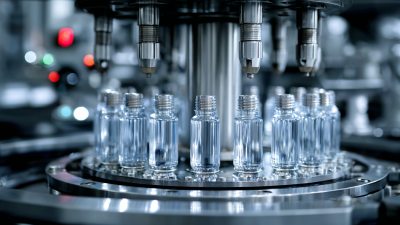
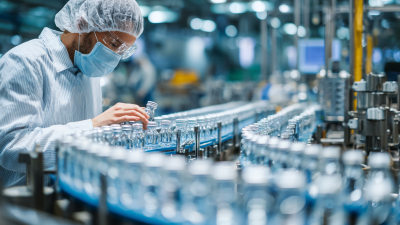
Liquid filling machines are crucial in the pharmaceutical industry. These machines ensure precise dosage and sterile conditions. However, the choice of equipment can be challenging. Each machine has unique features that may suit different production needs.

Pharmaceutical companies prioritize efficiency and safety. Various machine types, such as peristaltic and piston fillers, offer different advantages. Peristaltic fillers are great for sensitive liquids, while piston fillers excel with thicker products. Yet, the initial setup may require considerable time and calibration, which can be frustrating. Regular maintenance is also necessary to avoid downtime.

Understanding your product's characteristics is key to selecting the right machine. The equipment must handle the viscosity and particulate matter effectively. Training staff to operate these machines can be daunting as well. Small errors during operation can lead to costly mistakes. Thus, a thorough evaluation of machine capabilities is essential. It can save time and resources in the long run.

Top 5 Pharmaceutical Liquid Filling Machines

Key Features to Look for in Pharmaceutical Liquid Filling Machines

When choosing pharmaceutical liquid filling machines, several key features are essential. Accuracy is paramount. A machine that gives precise volumes ensures product consistency. Inconsistent fill volumes can lead to product recalls or compromised efficacy. Look for machines with adjustable settings for different liquid types. This capability adds flexibility.

Speed is another crucial factor. Some machines can fill thousands of containers per hour. However, fast doesn’t always mean effective. Prioritize machines that maintain accuracy at high speeds. Efficiency should not compromise quality.

Tips: Consider the machine's maintenance requirements. Easy-to-clean equipment saves time and reduces risks in sterile environments. Also, think about the machine's compatibility with various container sizes. Machines that handle multiple bottle sizes improve operational efficiency.

Lastly, evaluate the technology used. Advanced sensors and automated controls can enhance precision. However, complex systems may require specific training. Ensure your team is equipped to handle the technology you choose. This investment pays off in the long run. Consistent and reliable filling processes increase productivity and reduce errors.

Types of Pharmaceutical Liquid Filling Machines Available

The pharmaceutical industry relies heavily on liquid filling machines. Various types are tailored to meet specific needs. Common options include volumetric filling machines and peristaltic pumps. Volumetric machines measure exact amounts, ensuring consistent dosages. They are widely recommended for high-precision tasks. Peristaltic pumps, on the other hand, are gentle on products. They minimize contamination, making them ideal for sensitive solutions.

Many manufacturers face challenges when selecting the right machine. According to industry reports, nearly 30% of companies struggle with filling accuracy. This can lead to wasted resources. It's crucial to assess the type of liquid being processed. Viscosity and chemical properties influence machine performance. For instance, thicker solutions may require different technology compared to water-like substances.

Automation is increasingly favored in the industry. A recent study found that automated systems can improve efficiency by up to 25%. Yet, there are still concerns around implementation costs and training. Choosing a machine involves weighing these factors. The goal is to improve productivity while maintaining quality standards.

Top 5 Pharmaceutical Liquid Filling Machines to Consider

Machine Type Filling Volume Range Filling Speed Accuracy Key Features
Piston Filling Machine 5ml to 1000ml 30-60 bottles/min ± 1% Versatile for thick or viscous liquids
Volumetric Filling Machine 1ml to 500ml 40-120 bottles/min ± 0.5% High speed, great for low viscosity
Gravity Filling Machine 10ml to 1000ml 20-50 bottles/min ± 2% Simple design, low maintenance
Ampoule Filling Machine 1ml to 10ml 30-75 ampoules/min ± 0.3% Designed for sterile environments
Peristaltic Filling Machine 5ml to 200ml 20-70 bottles/min ± 0.5% Suitable for sensitive liquids, easy to clean

Comparative Analysis of the Top 5 Liquid Filling Machines

When selecting a liquid filling machine, various factors come into play. Efficiency is critical. Different machines offer various filling speeds. It's essential to quantify the output. Higher speeds can boost productivity, but may compromise accuracy. Finding a balance is vital.

The type of liquid being filled matters too. Viscous liquids require specialized systems. A machine that works well for thin liquids may not suit thicker substances. This lack of compatibility can lead to wasted product and time. Additionally, ease of cleaning is crucial for compliance and hygiene.

Another consideration is the machine's size and footprint. Some facilities benefit from compact machines that fit into tight spaces. Others may need larger systems for higher production volumes. Evaluating available space is necessary. Lastly, the learning curve of operation should not be overlooked. Staff may require additional training. Incorporating user-friendly features can ease this transition, making it more effective.

Factors Affecting the Choice of Liquid Filling Machine

When choosing a liquid filling machine, several factors come into play. One critical aspect is the type of liquid being filled. Viscous liquids require different handling than water-like solutions. Machines must accommodate these nuances. Proper technology is essential. A machine that works for one liquid may not suit another. Adjustments might be necessary.

Another factor is the production volume. High-output settings need robust equipment. Machines that can handle larger batches must be reliable and efficient. This can sometimes mean a higher initial investment. However, the operational cost should also be examined. Maintenance and downtime can affect overall productivity.

Operator training is often overlooked yet vital. A machine is only as effective as its user. Incorrect usage can lead to poor filling accuracy. This can result in waste and customer dissatisfaction. It’s worth investing time in proper training. Each of these elements requires thoughtful consideration for a successful filling process.

Maintenance and Troubleshooting Tips for Liquid Filling Machines

Top 5 Pharmaceutical Liquid Filling Machines to Consider?

Liquid filling machines play a crucial role in the pharmaceutical industry. To ensure these systems operate efficiently, regular maintenance is essential. According to a recent industry report, over 30% of machine downtime is due to inadequate maintenance practices. Simple tasks, such as thorough cleaning and regular inspections, can significantly reduce this risk.

Common issues include inaccurate filling volumes and unexpected machine stops. It's vital to check the calibration of the filling nozzles frequently. Many technicians recommend a monthly review of the system’s performance data. This practice helps identify trends that could indicate potential failures. Keeping a maintenance log can also aid in spotting patterns and providing insights into recurring issues that may need addressing.

In troubleshooting, operators should not overlook the importance of following the manufacturer's guidelines. Each machine has specific needs. Failure to adhere to these directions may lead to inefficiencies and possible damage. Be cautious with repairs; hasty fixes can exacerbate existing problems. Investing time in a solid maintenance routine pays off. Regular servicing ultimately leads to greater productivity and quality assurance in filling operations, supporting company growth and compliance.

Future Trends in Pharmaceutical Liquid Filling Technologies

The pharmaceutical liquid filling industry is evolving. New technologies are emerging, driving efficiency and precision. Companies are exploring automation to reduce human error. This shift improves accuracy in filling. Predictive maintenance is gaining traction, helping to address issues before they escalate. Investing in smart systems can optimize production processes.

Sustainability is another focus. Many manufacturers are seeking eco-friendly materials. They aim to reduce waste during packaging. Continuous improvement is essential. However, choosing sustainable options can be challenging. There’s a balance between cost and environmental impact that must be considered. Companies will need to adapt their strategies to meet this demand.

Quality control remains a critical aspect. As production speeds increase, so does the risk of contamination. Implementing robust testing procedures is vital. Yet, this can slow down production. Strategies to streamline this process are necessary. Exploration of real-time monitoring systems could help. Such innovations might ease some of these concerns while enhancing safety.

Market Trends and Innovations in Syrup Filling and Capping Equipment: A Focus on 30ml Glass Bottle Solutions for the Pharmaceutical Industry

The pharmaceutical industry is experiencing significant advancements in syrup filling and capping equipment, particularly for small doses such as 30ml glass bottle solutions. As this sector strives for higher efficiency and compliance with health regulations, the integration of innovative technologies plays a crucial role. Modern syrup filling and capping systems are designed to meet these demands, providing seamless automation in the production line.

One exemplary solution involves a comprehensive machine configuration that includes ultrasonic washing, drying, and sterilization functionalities. This multi-step process ensures the bottles are thoroughly cleaned and prepared before filling, minimizing contamination risks. Furthermore, the incorporation of air charging and optional drying and sterilization enhances the reliability of the product. The filling and capping process is executed with precision, ensuring that each 30ml glass bottle is appropriately sealed, which is essential in maintaining the product's integrity during storage and transportation.

Additionally, the integration of a labeling machine can create an ideal production line, streamlining the entire process from washing to final packaging. This combination not only boosts productivity but also adheres to the stringent quality standards expected in the pharmaceutical sector. Consequently, manufacturers can expect significant improvements in efficiency, reducing time and labor costs while ensuring their products are securely and effectively packaged for market distribution.

FAQS

: What factors should be considered when selecting a liquid filling machine?

: Efficiency, filling speed, and accuracy are key. The type of liquid, machine size, and cleaning ease are also important.

Why is machine maintenance critical?

Regular maintenance prevents downtime and inefficiencies. Many issues stem from inadequate upkeep and can be avoided with simple checks.

How often should machine calibration be checked?

It's crucial to check the calibration of filling nozzles frequently. A monthly review of performance data is often recommended.

What are common issues faced with liquid filling machines?

Inaccurate filling volumes and unexpected stops occur frequently. These can often be traced back to maintenance practices or calibration errors.

How can operators improve their troubleshooting skills?

Operators should closely follow manufacturer guidelines. Hasty repairs may worsen existing problems, so patience is essential.

What are future trends in liquid filling technology?

Automation and predictive maintenance are emerging trends. They aim to enhance accuracy and solve issues before they escalate.

How does sustainability impact the liquid filling industry?

Manufacturers are exploring eco-friendly materials, balancing cost and environmental impact. This shift poses challenges but is necessary.

Why is quality control important in liquid filling?

As production speeds increase, contamination risks rise too. Robust testing procedures are essential but may slow production.

What should facilities consider regarding machine size?

The available space is crucial for choosing a machine. Compact machines work in tight spaces, while larger systems serve high volumes better.

How does staff training affect liquid filling operations?

Additional training may be needed for complex machines. User-friendly features can ease this learning curve and enhance effectiveness.

Conclusion

The article provides a comprehensive overview of Pharmaceutical Liquid Filling Machines, which play a crucial role in the efficient packaging of liquid medications in the pharmaceutical industry. It highlights key features to consider when selecting a filling machine, such as precision, speed, and adaptability to different container types. Various types of Pharmaceutical Liquid Filling Machines are discussed, offering insights into choosing the best fit based on production needs.

Furthermore, the article presents a comparative analysis of the top five machines, emphasizing performance and reliability. Factors affecting the choice of a liquid filling machine, including budget, production scale, and regulatory compliance, are explored. Additionally, maintenance and troubleshooting tips are provided to ensure optimal performance, alongside a discussion on future trends in liquid filling technologies, indicating a move towards automation and enhanced efficiency in pharmaceutical manufacturing.

Ava

Ava

Ava is a dedicated marketing professional at Shanghai IVEN Pharmatech Engineering Co., Ltd., equipped with extensive knowledge and expertise in the pharmaceutical machinery field. With a keen understanding of the company's diverse product offerings, including cutting-edge equipment for......
Previous What is Blow Fill Seal Technology and its Benefits?

Send your message to us:

Write your message here and send it to us