0%

In the fast-changing world of pharma, picking the right Vaccine Filling Machine is pretty darn important. Dr. Emily Carter from BioFill Solutions puts it simply: "Getting the right gear can really boost both efficiency and safety when making vaccines." That really Drive home how big of a deal the right machines are when it comes to protecting public health.

When you're on the hunt for a Vaccine Filling Machine, there’s quite a few things to keep in mind. It needs to tick all the safety boxes and handle the volume you need. Basically, it’s about finding that sweet spot between shiny tech and dependable performance, especially with all these strict regulations. Companies have to weigh their production goals against their budgets — a small slip-up can cause delays or rack up costs faster than you think.

A good Vaccine Filling Machine should be flexible, too. Vaccine production isn’t one-size-fits-all— sometimes you need to switch things up in terms of filling sizes or types. Dr. Carter also points out, "Not all machines play nicely with sudden spikes in demand." This makes it super important for companies to really think through their options. Looking back at past decisions can offer some pretty valuable lessons for making smarter choices now.

Top Tips for Choosing a Vaccine Filling Machine?

Understanding Vaccine Filling Machines: An Overview

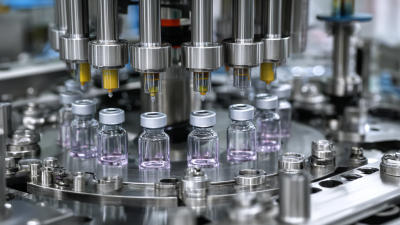
Vaccine filling machines play a vital role in the pharmaceutical industry. They are used to fill vials and syringes with vaccines. Understanding how these machines work is essential for making informed choices. There are various types of filling machines available. Each type has its own strengths and limitations.

One important aspect is accuracy. A reliable filling machine should minimize the risk of overfilling or underfilling. Even slight variations can lead to significant problems. Efficiency is also a crucial factor. Faster machines can help meet high demand, but they may compromise on quality. Striking a balance between speed and precision is challenging.

Moreover, maintenance requirements should not be overlooked. Some machines require frequent servicing, while others are more robust. This can influence long-term costs. Considering user feedback is beneficial. Real-world experiences can highlight potential issues. Therefore, understanding the operational dynamics is critical.

Key Features to Look for in a Vaccine Filling Machine

Top Tips for Choosing a Vaccine Filling Machine?

Choosing the right vaccine filling machine is crucial. A few key features can guide your decision. Look for versatility in the machine. It should accommodate different container sizes. This flexibility allows for smoother operations and better efficiency. A machine that can handle various formats helps in adjusting to market needs.

Speed is another vital aspect. Aim for a machine that can fill quickly while maintaining accuracy. High-speed operation enhances productivity. Even a slight mismatch in fill volume can lead to waste. Inspect the filling accuracy of potential machines. It’s essential for ensuring vaccine efficacy and compliance.

Consider the hygiene standards as well. Machines need to meet strict sanitary requirements. This is especially important in the pharmaceutical industry. Regular maintenance protocols should also be part of your consideration. Machines that are difficult to clean can lead to contamination risks. Think about user-friendliness too; an intuitive interface can save training time, but sometimes it might fall short on advanced features. Balancing these factors can be challenging yet necessary.

Assessing Production Capacity and Efficiency Requirements

Top Tips for Choosing a Vaccine Filling Machine?

When selecting a vaccine filling machine, assessing production capacity and efficiency is critical. Recent industry reports reveal that filling machines can range from 200 to 1,200 vials per hour. Understanding your production needs is essential. For a small-scale operation, a machine with lower output may suffice. However, larger facilities may require higher capacity to meet demand.

Efficiency guarantees reduced waste and optimal resource allocation. The best machines minimize downtime, ensuring steady output. A well-designed filling machine can cut production times by up to 30%. Continuous monitoring metrics is beneficial. Some processes may still face unforeseen slowdowns. In those cases, it’s vital to reevaluate the workflow.

Investment in automation influences overall performance. Automated systems may offer higher precision but can be complex. Human oversight remains necessary to catch errors that machinery might miss. Regularly revisiting efficiency goals can uncover areas for improvement. Ultimately, choosing the right machine is more than capacity; it’s about aligning with your specific needs.

Evaluating Compliance with Regulatory Standards

When selecting a vaccine filling machine, regulatory compliance is crucial. The pharmaceutical industry faces strict regulations. According to a report by the International Society for Pharmaceutical Engineering (ISPE), over 65% of manufacturing facilities cite compliance as a top concern. Ensuring that your equipment meets these standards is not just essential; it can significantly impact patient safety.

Many filling machines now possess features that align with Good Manufacturing Practices (GMP). Automatic cleaning cycles and real-time monitoring capabilities enhance quality control. However, not all machines are created equally. A study found that 39% of manufacturers encounter challenges with compliance during audits. Regular calibration and maintenance are often overlooked, leading to potential deviations in standards.

Moreover, training staff on compliance protocols is often underestimated. Inadequate training can result in costly mistakes. An audit revealed that up to 25% of non-compliance issues stem from human error. Investing in education and proper machine selection is essential for maintaining a compliant operation. While companies often prioritize machinery features, overlooking compliance can jeopardize the entire production process.

Considerations for Maintenance and Support Services

When selecting a vaccine filling machine, maintenance and support services are critical factors. Regular maintenance ensures consistent operation. A machine that runs smoothly reduces downtime. Inspecting seals, valves, and pumps should be routine. Neglecting these can lead to costly repairs or production halts.

Support services also matter. Consider the availability of technical support. Quick access to assistance minimizes disruptions. Some machines may come with limited support, which can be frustrating. Ask about response times and service contracts before making a decision. It's better to have a reliable support network than to face issues alone.

Don’t overlook training opportunities. Proper training can enhance operational efficiency. If your team is not well-trained, mistakes can happen often. Unclear instructions can lead to errors in filling and packaging. Assess the training options offered by the manufacturer. A machine is only as good as the people operating it.

Budgeting for Your Vaccine Filling Machine Investment

When budgeting for a vaccine filling machine, multiple factors come into play. Initial costs may seem daunting. However, understanding your long-term goals is crucial. Some machines offer advanced features but may exceed your budget. Others provide essential functions at a lower price. It’s vital to assess what fits your needs best.

Consider additional expenses, too. Maintenance and operational costs can add up over time. Sometimes, cheaper machines lead to higher repair bills. Training personnel is another expense that can’t be overlooked. Investing in a machine that requires less training can save future costs. Look for a balance between upfront and ongoing expenses.

Reflect on your scale of production. A machine suited for small batches might not suffice for large-scale operations. Conversely, an oversized machine for a smaller operation can waste resources. Carefully evaluate your expected production volume. Misjudgments here can lead to significant financial strain in the long run.

Exploring Automation and Advanced Technology Options

When choosing a vaccine filling machine, automation and advanced technology are crucial. The industry is evolving quickly. In 2021, over 60% of pharmaceutical companies reported increased automation in their production lines. Automation reduces human error. This is vital in sensitive processes like vaccine filling.

Advanced technology greatly enhances efficiency. For instance, machines equipped with real-time monitoring can pinpoint inconsistencies. Data from recent market reports show that companies using these technologies saw a 30% increase in productivity. However, the costs can be high. Some manufacturers struggle with the initial investment. Balancing budget and productivity is tough.

Moreover, not every automation solution suits every facility. Some machines may require specialized training. Operators must adjust to new systems. This transition can lead to temporary downtime, affecting production rates. Continuous evaluation is essential for finding the right fit. Data indicates that companies often underestimate the time needed for implementation. The path to automation should be clear but flexible.

Efficient Solutions for Pharmaceutical Packaging: The Role of a 30ml Glass Bottle Syrup Filling and Capping Machine

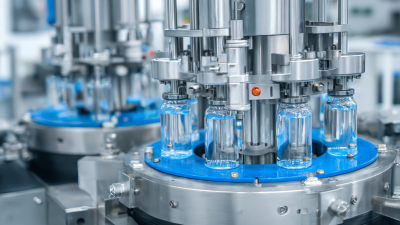
The pharmaceutical industry relies heavily on efficient packaging solutions to ensure product integrity and safety. A key component of this process is the use of specialized machines, such as the 30ml glass bottle syrup filling and capping machine. This advanced equipment streamlines various essential tasks, including ultrasonic washing, filling, and capping, making it an indispensable part of pharmaceutical production lines.

The syrup filling and capping machine is designed to handle not only syrups but also other small-dose solutions, catering to a diverse range of products. The machine's capabilities extend beyond mere filling; it incorporates ultrasonic washing and flushing options, which ensure that containers are thoroughly cleaned and free of contaminants. Additional functionalities like air charging, drying, and optional sterilization further enhance product safety and prolong shelf life.

Moreover, when paired with a labeling machine, the syrup filling and capping machine serves as an ideal solution for creating a fully integrated production line. This seamless combination reduces downtime and increases efficiency, ultimately aiding in the rapid delivery of high-quality pharmaceutical products to market. As the demand for reliable and safe packaging escalates, machinery like this exemplifies the innovation and care necessary in pharmaceutical manufacturing.

FAQS

: What types of services are available?

: Various services include maintenance, consulting, and training options. Each service meets different needs.

How can I get a quote?

You can request a quote through our website or by contacting customer service. Details matter here.

Is there a satisfaction guarantee?

Yes, we strive for customer satisfaction. However, some cases may not meet expectations.

What is the typical response time for inquiries?

Most inquiries receive a response within 24 hours. Delays may happen during busy periods.

Are there any hidden fees?

Transparency is key. We disclose all fees upfront, but misunderstandings may occur. Clarification helps.

Can I customize my service package?

Yes, customization options are available. Consider your specific needs and budget when choosing.

What if I encounter a problem later?

Troubles may arise. Contact customer support for assistance. Not all issues can be resolved quickly.

Is training provided with services?

Training is often included but may vary. Tailoring sessions could enhance understanding.

What payment methods are accepted?

Common payment methods are accepted. Check with customer service for specific options.

How are updates communicated?

Updates are shared via email or the website. Sometimes, notifications may be missed. Check regularly.

Conclusion

Choosing the right Vaccine Filling Machine is crucial for ensuring the efficient and safe production of vaccines. This process begins with a clear understanding of the various vaccine filling machines available in the market, focusing on key features such as precision, speed, and flexibility to meet different production needs. It's essential to assess both production capacity and efficiency requirements to optimize workflows.

Compliance with regulatory standards is another critical aspect to consider, as these machines must meet stringent safety and quality regulations. Additionally, planning for maintenance and support services can help ensure long-term operational efficiency. Budgeting effectively for your investment and exploring options for automation and advanced technology can enhance productivity and reduce labor costs, ultimately contributing to a successful vaccine production process.

Ethan

Ethan

Ethan is a dedicated marketing professional at Shanghai IVEN Pharmatech Engineering Co., Ltd., where he plays a crucial role in promoting the company's extensive range of high-quality products. With a deep understanding of the pharmaceutical machinery, blood collection tube machinery, and water......
Previous Exploring 2025's Transformative Trends in Pharmaceutical Manufacturing: How to Optimize Your Vial Filling Equipment

Send your message to us:

Write your message here and send it to us