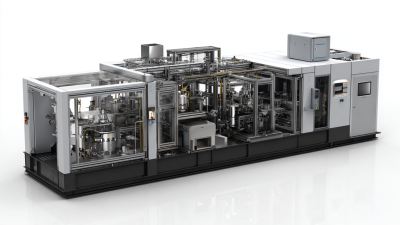
In the fast-changing world of medical manufacturing, there's one piece of equipment that really stands out: the Automatic Syringe Assembly Machine. Experts often highlight just how vital this device is — and Dr. John Reynolds, a well-known name in medical tech circles, once pointed out that, 'Picking the right assembly machine can really make or break your production process.' It’s a big deal, and getting it right isn’t always straightforward.
Choosing the perfect Automatic Syringe Assembly Machine isn’t just a matter of picking the latest model; you really need to understand both the tech and what your production line actually requires. Honestly, it can feel kinda overwhelming at times. Questions pop up—like, how do I know if a machine is reliable? Is it efficient enough? Speed, precision, durability—these become your main considerations.
And let's be real: there are tons of machines out there, each claiming to be the best. It can get pretty confusing. Not all machines are created equal, so it’s super important to really think about what your specific needs are. It pays to seek advice from experts and do a bit of homework from different sources. After all, your choice in an Automatic Syringe Assembly Machine is going to have a serious impact on how successful your operation turns out to be.
Automatic syringe assembly machines play a crucial role in the medical and pharmaceutical industries. They enhance the efficiency of syringe production, ensuring quality while reducing human error. Understanding their purpose helps users select the best machine for their needs. These machines assemble all components, such as the barrel, plunger, and needle, with precision. This automation allows for a streamlined production process, ensuring consistency in quality.
When considering options, look for machines that meet production capacity requirements. The speed of assembly directly impacts output. Ensure the machine can keep pace with your expected volume. Precision is key. A machine must assemble syringes without faults to maintain safety standards.
Pay attention to the machine's adaptability. The ability to handle different syringe types can help future-proof your investment. Supporting features, like easy maintenance and user-friendly interfaces, are essential. Choosing a reliable manufacturer ensures a dependable machine, as support and parts are vital for long-term operation. Lastly, think about safety features. Proper safeguards protect operators and maintain production integrity.
This chart illustrates the key factors to consider when choosing an automatic syringe assembly machine, highlighting speed, accuracy, ease of use, maintenance frequency, and overall cost. Understanding these aspects can help make an informed decision.
When selecting an automatic syringe assembly machine, key features play a vital role. The machine's throughput is critical. Industry reports indicate that machines with higher speed can boost production by up to 30%. This increased efficiency is essential in a market that demands rapid production without sacrificing quality.
Another important feature is precision in assembly. Studies highlight that discrepancies in syringe assembly can lead to product recalls. A machine boasting 99.9% accuracy minimizes the risk of defects. Manufacturers should also consider ease of use. Operators require minimal training to navigate complex systems, ensuring consistency in production. The simpler the interface, the greater the productivity.
Additionally, flexibility in production is essential. Machines should adapt easily to various sizes and types of syringes. Research shows that flexibility can reduce downtime by 25%. However, potential buyers must be wary. Not all machines labeled as “flexible” perform equally well. Checking user reviews can provide insights. Engaging with other manufacturers can lead to discoveries about unadvertised capabilities. Investing time upfront will yield significant returns in the long run.
When selecting an automatic syringe assembly machine, understanding your production capacity is critical. Companies must evaluate their demand for various syringe types and the expected output rate. If your facility needs to produce thousands daily, ensure the machine can handle the workload. It's essential to consider peak times and how to maintain efficiency without compromising quality.
Assessing your needs requires a deep dive into the specifics. What is your cycle time requirement? Can the machine adapt to different syringe sizes? These questions matter. Some machines boast speed but fail in flexibility. A machine should seamlessly switch between tasks, or it may hinder overall production efficiency. Relying solely on specifications can lead to oversight.
Real-world testing reveals unique insights. Engage with users who have faced similar challenges. Their experiences can highlight potential flaws in a machine that specs might not show. Take the time to gather feedback, and learn from those who came before. This approach ensures that your investment aligns with your long-term production goals.
When selecting an automatic syringe assembly machine, evaluating its compatibility with various syringe designs is crucial. Not all machines can handle the intricate specifications of syringe types. A report from the International Society for Pharmaceutical Engineering indicates that improper compatibility can lead to significant production delays. This could result in financial losses exceeding 20% of operational budgets.
Machine compatibility isn't just about size. It also involves assessing the assembly process. For example, some machines may excel in assembling standard syringe designs but struggle with specialized or custom configurations. Statistically, 30% of companies reported issues with machine adaptability, causing production halts. This situation emphasizes the need for a thorough review of a machine’s specifications against your unique syringe designs.
Additionally, it’s essential to consider the materials involved. Different syringes use various materials that might affect the assembly process. A misalignment could lead to defective products and compliance issues. Reports suggest that up to 15% of recalls stem from assembly errors linked to machine compatibility. Ensuring that your chosen equipment can integrate seamlessly with your syringe materials will enhance overall productivity and reliability.
| Tip | Description | Compatibility Factor | Syringe Design Types |
|---|---|---|---|
| Evaluate Machine Specifications | Make sure the machine meets your production requirements. | High | Standard Syringe, Luer Lock Syringe |
| Check for Customization Options | Assess if the machine can be configured for different syringe sizes. | Medium | Variable Volume Syringe |
| Consider Maintenance and Support | Ensure the manufacturer provides good support and maintenance. | Medium | Pre-filled Syringe |
| Examine Build Quality | Look for robust construction to withstand production demands. | High | Glass Syringe, Plastic Syringe |
| Assess Speed and Efficiency | Determine output speed to match demand. | High | Delivery Syringe |
When selecting an automatic syringe assembly machine, ease of use and maintenance are crucial. A complex machine can lead to longer training periods for staff and higher operational risks. According to recent industry studies, machines that prioritize user-friendliness show a 25% increase in efficiency. A simple interface helps reduce errors and enhances productivity. Workers should feel confident in operating the machinery right away.
Maintenance is another vital aspect. Data report suggests that proper maintenance can extend machine lifespan by up to 30%, saving costs over time. Machines that are difficult to maintain can result in longer downtimes, leading to reduced output. Regular maintenance checks should be easy to perform, minimizing disruptions in production.
Consider these tips: Choose machines with intuitive controls that require minimal training. Look for features that simplify maintenance, such as easily accessible compartments. Evaluate potential service agreements that emphasize prompt support for troubleshooting. Finding the right balance between functionality and ease of use can significantly impact overall production efficiency.
When budgeting for an automatic syringe assembly machine, consider the initial costs. The price can vary significantly based on features and capabilities. It’s essential to identify what specifications matter most to your production. Are you looking for speed, precision, or both? Different machines may excel in different areas.
Ongoing costs also factor into the budget. Maintenance, parts replacement, and training staff can accumulate over time. Some machines are designed for easy maintenance, while others may require specialized skills. Think about the long-term investment rather than just the upfront payment.
Don’t forget about operational costs. Energy consumption is an often-overlooked aspect. Machines that are energy efficient may save money in the long run. Additionally, the availability of technical support can be crucial. It can alleviate unexpected downtime and keep production running smoothly. Balancing these elements will help in making an informed decision, ensuring a reliable assembly process.
When selecting an automatic syringe assembly machine, understanding manufacturers' after-sales support is essential. Many organizations overlook this aspect, thinking the machine is all that matters. However, support can significantly impact operational efficiency. A manufacturer that offers robust after-sales service can troubleshoot issues faster. This minimizes downtime, ensuring your production line remains effective.
Researching a manufacturer's reputation is vital. Look for reviews and testimonials from other users. How quick is their response time? Do they provide training for your staff? Assessing these factors can reveal potential weaknesses in their support structure. Some manufacturers may promise great service but deliver subpar support once the machine is sold.
You might also want to inquire about warranty options. This can tell you if a manufacturer stands behind their product. A solid warranty reflects confidence and reliability. Additionally, consider whether they offer spare parts easily. A manufacturer that makes it hard to obtain replacements could create future headaches. Always think critically here to avoid costly mistakes later on.
In the fast-evolving landscape of medical device manufacturing, the automation of IV catheter production stands as a pivotal advancement. The IV catheter, also known as an IV cannula, serves as a critical tool for healthcare professionals, providing essential venous access in various medical settings. As demand for safe and efficient venous access continues to rise—projected to reach a market value of over $8 billion by 2025—manufacturers are increasingly investing in advanced assembly machinery to enhance productivity, ensure consistency, and uphold quality standards.
Harnessing automation in the production of IV catheters not only streamlines the assembly process but also minimizes the risk of human error. Automated IV Cannula Assembly Machines are engineered to optimize every stage of production, from the precise insertion of the cannula into the catheter to the final quality checks. Research indicates that automated systems can increase production rates by up to 50%, allowing manufacturers to meet the increasing global demand for IV catheters, particularly in the wake of healthcare expansions and the growing incidence of chronic illnesses requiring ongoing venous access.
Furthermore, these advanced machinery setups are designed to ensure that each catheter produced meets stringent quality and safety standards. By implementing automation, manufacturers can achieve greater production stability, significantly reduce material waste, and enhance overall operational efficiency. As the healthcare industry continues to prioritize patient safety and quality of care, the adoption of automated IV catheter assembly systems is not just an option but a necessity for competitiveness in the medical device market.
: They enhance efficiency in syringe production while ensuring quality and reducing human error during the assembly process.
It's crucial for avoiding production delays and financial losses. Not all machines handle intricate specifications well.
The speed of assembly directly impacts output. Ensure it meets your expected production volume.
Machines must assemble syringes without faults to adhere to safety standards and ensure product quality.
A machine’s ability to handle different syringe types may future-proof your investment and enhance usability.
Maintenance, parts replacement, and staff training can accumulate over time. Plan for these expenses in your budget.
Energy-efficient machines can save money in the long run, impacting overall operational costs positively.
Some machines require specialized skills for maintenance, impacting downtime and long-term reliability.
Compatibility with syringe materials is vital. Misalignment may lead to defects and compliance issues.
Access to support can minimize unexpected downtimes, ensuring smoother production processes.
Choosing the right Automatic Syringe Assembly Machine is crucial for optimizing production efficiency in the medical manufacturing sector. First, it’s essential to understand the purpose of these machines, which streamline the syringe assembly process. When selecting a machine, key features such as speed, accuracy, and versatility should be considered, along with an assessment of production capacity to meet specific production demands. Compatibility with various syringe designs is also a critical factor, ensuring the machine can accommodate different specifications.
Moreover, ease of use and maintenance are vital for minimizing downtime and operational costs. Budgeting effectively is necessary to find a machine that fits your financial constraints while still delivering high performance. Lastly, thoroughly researching manufacturers and their after-sales support options can provide additional peace of mind, ensuring assistance is available when needed. In summary, taking these factors into account will guide you in making an informed decision when investing in an Automatic Syringe Assembly Machine.