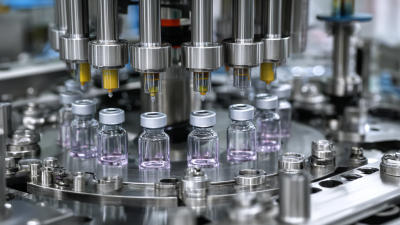
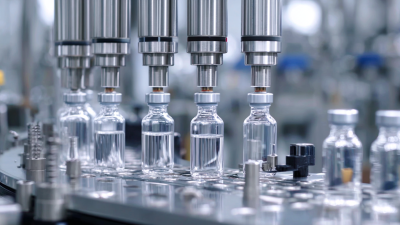
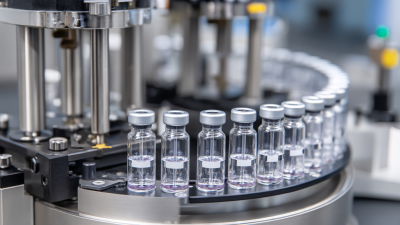
When it comes to the pharma and biotech world, the efficiency of vial filling equipment really makes a difference in how smoothly things run and how much product you can get out. I heard John Smith from FillTech Solutions say that having the right filling machine doesn’t just fill vials; it actually streamlines your whole operation and boosts output. His point really underscores how important good machinery is for any business today.
Now, picking the perfect vial filling machine isn't just about grabbing the first thing that looks good. Every option has its own upsides and downsides. Companies like PharmaFill and PrecisionVial bring some pretty innovative tech to the table, but you might need to make some tweaks to fit your specific needs. It’s kind of like finding the right puzzle piece—you want to make sure it matches your production volume and the type of product you're working with.
And when you're investing in this kind of equipment, it’s a good idea to think about your long-term plans. Things like automation, compatibility with your current systems, and how much effort’s needed to keep it running should all come into play. Taking a moment to consider these factors can save you from costly mistakes down the road. There are tons of options out there, but not all of them will work perfectly for your unique situation.
Vial filling equipment plays a crucial role in various industries. Accurate filling ensures product quality and safety. In pharmaceuticals, for example, precision in dosage is non-negotiable. A slight variation can have significant consequences. This is why investing in good vial filling machinery is vital.
Moreover, modern companies face diverse challenges. They must balance speed and accuracy. Not all equipment meets these demands. Some machines struggle with viscosity variations. Others may not handle different vial sizes well. This can lead to production delays and increased costs. Evaluating equipment based on these factors is essential.
In addition, the need for clean and efficient operations cannot be overstated. Contamination risks are a persistent concern. Equipment should have features that minimize risks. Regular maintenance is also necessary to prevent malfunctions. However, not every business commits to this consistently. Reflecting on operational practices can lead to improvements.
When selecting vial filling equipment, several critical factors merit attention. The type of products being filled matters greatly. Different liquids, such as serums or antibiotics, require distinct filling mechanisms. High viscosity products may need specialized equipment. Understanding your specific product's needs can enhance operational efficiency.
Budget is another crucial consideration. High-end machines may promise advanced features. However, they may not be necessary for every operation. Finding the right balance between cost and functionality is essential. Evaluate if a simpler model serves your needs. Over-investing in technology you won't use is a common pitfall.
The scalability of the equipment is often overlooked. As business grows, equipment must adapt. Can it handle increased demand? Will it still be effective for bulk production? These questions require careful thought. Additionally, operator training should not be underestimated. Complicated machinery can lead to errors if staff are not properly trained. Ensure that you have a plan in place for staff education and ongoing support.
When choosing vial filling equipment for your business, consider the various options available. Automatic filling machines are known for their efficiency. They handle high volumes, saving time. However, they can be costly and complex to operate. Semi-automatic machines, on the other hand, provide flexibility. They allow for smaller batches, which may be ideal for startups. The trade-off is that they require more manual input.
Another type is the peristaltic filler. This equipment uses a unique method to transfer liquids. It minimizes contamination risks. Yet, it may not work for every viscosity. Piston fillers are also popular. They are versatile and can fill thick or thin liquids. However, they may present challenges with precision.
Consider the automation level that suits your needs. Fully automated systems reduce labor costs, but they require a significant upfront investment. Smaller operations may struggle with maintenance. Dividing workload with multifunctional machines can be a smart choice. Ultimately, reflect on the types of products you fill. Understanding your needs will guide your equipment selection and help you grow.
When selecting vial filling equipment, key features significantly influence efficiency and accuracy. Look for machines that offer precise volume control. This ensures every vial receives the exact amount needed. Accuracy is vital in many industries, especially pharmaceuticals. Inconsistent fill volumes can lead to issues.
Speed is another crucial feature. High-speed filling can improve productivity. However, balance speed with accuracy. It’s essential not to compromise quality for speed. Equipment should also be easy to clean and maintain. Frequent maintenance can reduce downtime. A well-maintained machine saves costs in the long run.
User-friendly controls make a big difference. Intuitive interfaces allow operators to work efficiently. Complicated controls can lead to errors. Also, consider the adaptability of the equipment. Can it handle various vial sizes? Flexibility in production helps meet changing demands. Avoid equipment that lacks this essential feature. It may hinder growth opportunities.
When exploring vial filling equipment solutions, businesses often feel overwhelmed. The variety of options can be daunting. Companies need to consider their specific needs carefully. Some machines are designed for small batches, while others handle large volumes seamlessly. Not every system suits every purpose. Understanding the production scale is vital.
Moreover, precision is key in filling operations. Variations in fill levels can lead to waste or errors. A machine that fills too slowly might hinder productivity. On the other hand, overfilling can jeopardize compliance and safety. Businesses must weigh the trade-offs between speed and accuracy. Testing different equipment can provide insights, but results may not meet expectations.
Ultimately, the choice of filling equipment should align with long-term goals. Engaging with operators for feedback offers clarity. Their hands-on experience reveals the nuances that specifications may miss. Sometimes, additional training is necessary for optimal utilization. Reflecting on past equipment choices can guide future decisions, ensuring a more informed investment.
| Model | Filling Speed (vials/min) | Volume Range (ml) | Accuracy (%) | Minimum Operator Requirement |
|---|---|---|---|---|
| Model A | 120 | 1-10 | ± 0.5 | 1 |
| Model B | 150 | 5-50 | ± 0.3 | 1 |
| Model C | 80 | 10-100 | ± 0.4 | 1 |
| Model D | 100 | 1-20 | ± 0.2 | 2 |
| Model E | 130 | 1-30 | ± 0.6 | 1 |
| Model F | 110 | 10-200 | ± 0.5 | 1 |
| Model G | 140 | 5-25 | ± 0.4 | 2 |
| Model H | 160 | 1-15 | ± 0.5 | 1 |
| Model I | 90 | 20-100 | ± 0.3 | 2 |
| Model J | 170 | 1-50 | ± 0.2 | 1 |
Investing in vial filling equipment can seem daunting. The initial costs are significant. However, the benefits often outweigh the expenses in the long run. Efficiency increases with automated systems. This leads to higher production rates and reduced labor costs. Choosing the right equipment can be a challenge. Each business has unique needs.
Tips: Assess your current workflow. Identify bottlenecks that slow production. This can highlight areas where new equipment might help. Analyze the costs involved. Consider maintenance expenses and training for your staff. Look into potential downtimes when transitioning to new equipment. These factors can impact your overall savings.
A detailed cost-benefit analysis will shed light on this investment. Evaluate the quality improvements that come with modern filling machines. Higher quality often leads to improved customer satisfaction. Analyze sales data to project future growth. Investing wisely in the right equipment can transform your operations. Be prepared to face some challenges during integration. The process requires careful planning.
When considering vial filling equipment, maintenance and support are crucial aspects. Regular checks ensure that machines run smoothly. Monitoring sensors and calibrating systems helps prevent downtime. A sudden malfunction can lead to significant losses. Scheduled maintenance allows businesses to avoid unexpected issues. It’s important not to overlook these necessities.
Support services should also be considered. Having access to technical assistance can be invaluable. Delays in response times can cause frustration. Companies must evaluate the support options available. Some may offer on-site help, while others provide remote assistance. Depending on the nature of production, a reliable support system is vital for success.
Training for staff is equally important. Complex equipment requires skilled operators. Regular training sessions can enhance efficiency. Yet, some companies neglect this aspect. Investing in employee knowledge pays off in the long run. A well-trained team can troubleshoot minor issues quickly. This contributes to smoother operations and less downtime. Prioritizing these maintenance and support details ensures a more productive environment for vial filling operations.
In the biopharmaceutical industry, efficiency in the downstream purification process is paramount, particularly when it comes to the preparation of buffers. The quality of buffers plays a crucial role in protein purification, as inaccuracies can lead to significant variability in outcomes. To address these challenges, the development of online dilution and dosing systems has emerged as a game-changing solution. These systems allow for the precise combination of various single-component buffers, facilitating a more controlled and consistent preparation process.
The integration of online dilution and dosing equipment provides biopharmaceutical manufacturers with the ability to mix mother liquor and diluents in real-time, resulting in the creation of target solutions that meet stringent quality requirements. This approach not only enhances accuracy and reproducibility but also streamlines workflow, reducing the time and resources spent on buffer preparation. As companies look to optimize their fluid management solutions, leveraging these cutting-edge systems can significantly improve operational efficiency, ensuring that high-quality buffers are readily available for the purification processes that are essential to biopharmaceutical production.
: The product aims to enhance user experience and improve daily tasks.
Follow the instructions carefully. Practice makes you better at using it.
Yes, it can assist with common issues. But results vary per individual.
There’s potential for misuse. Always read guidelines to ensure proper use.
Contact support for assistance. Sometimes, self-reflection helps identify the problem.
Start slowly and understand features. Mistakes are part of the learning process.
Regular cleaning and proper storage are important. Neglect can lead to problems.
Sharing is possible, but be cautious. Different users may have different experiences.
Review your usage carefully. Consider whether your expectations were realistic.
Yes, many options exist. Research thoroughly to find the best fit for your needs.
Vial filling equipment plays a crucial role in modern industries, ensuring efficient and accurate filling of vials for pharmaceuticals, cosmetics, and other products. When selecting the right vial filling equipment for your business, it is important to consider various factors such as production capacity, automation level, and ease of use. The market offers a variety of vial filling solutions, each with unique features to cater to specific business needs.
In our comprehensive review of the top 10 vial filling equipment solutions, we emphasize key features like precision, speed, and scalability, which are essential for high-quality performance. Additionally, a cost-benefit analysis highlights the long-term advantages of investing in reliable equipment, alongside considerations for maintenance and support, ensuring optimal operation and longevity. By carefully evaluating the options available, businesses can enhance their production capabilities and meet market demands effectively.