


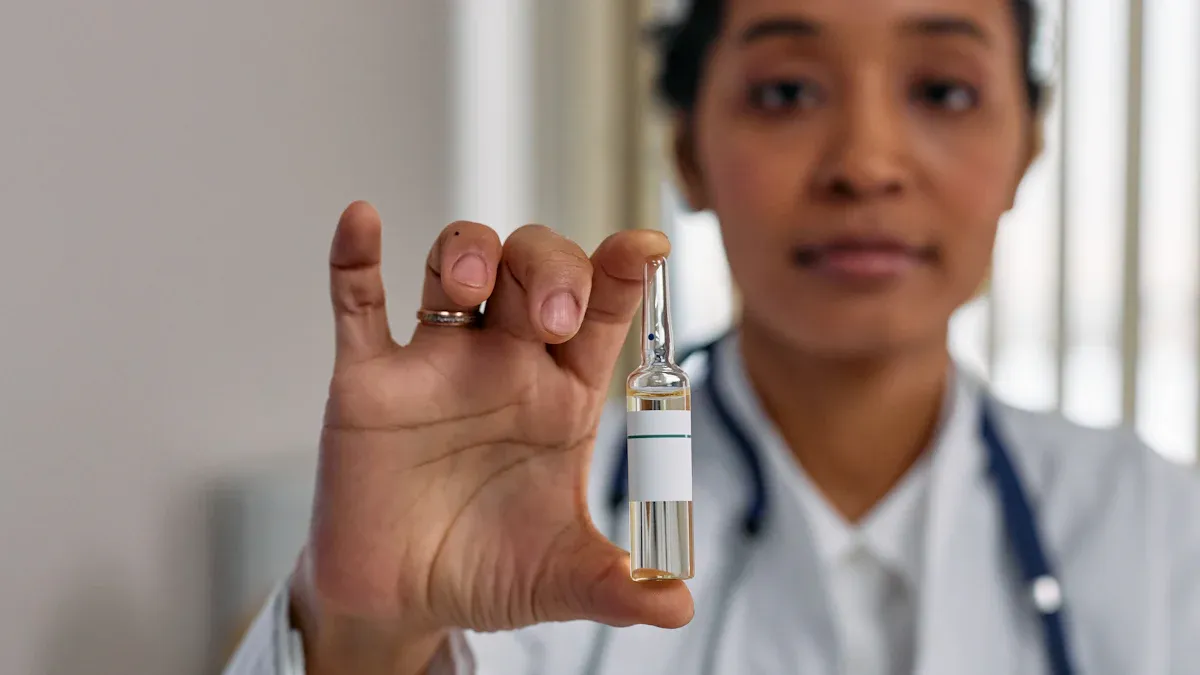
You ensure the quality of ampoule filling by focusing on machine maintenance, operator training, raw material quality, process optimization, environmental controls, and strong quality control systems. The Ampoule Filling Production Line must prevent contamination, sterility failures, and packaging defects. Take systematic, proactive steps and use technology and validation for safe, effective products.
Regular Maintenance
You cannot achieve consistent ampoule filling quality without a strong maintenance routine. Regular care for your ampoule filling machines prevents breakdowns, reduces contamination risks, and ensures every batch meets high standards. Let’s break down the essential steps you should follow.
Cleaning Procedures
Clean every component of your ampoule filling machine using automated CIP (Clean-In-Place) systems. These systems remove up to 95% of contaminants by controlling detergent type, contact time, and agitation. Select alkaline detergents for organic residues and acidic ones for inorganic build-up. After cleaning, rinse with water to eliminate detergent traces. Finish with sanitization using agents like hydrogen peroxide or peracetic acid, which can reduce microbial contamination by 99.9%.
Tip: Always check for visible residues and perform swab tests to confirm cleanliness.
| Testing Parameter | Acceptance Criteria |
|---|---|
| Physical determination | No visible residues or particulate matter present on the equipment |
| Chemical Determination | NMT 0.1% of the normal therapeutic dose or NMT 10 ppm in the next product |
| Microbiological Determination | Active/Passive Air Sampling, F-DAB Test, Swab Test (Area/Equipment) |
Lubrication & Mechanical Care
Inspect your equipment daily for wear, leaks, or deterioration. Each week, check for loose screws, misaligned parts, and proper safety guard placement. Lubricate moving parts according to the manufacturer’s schedule. Keep spare seals and gaskets on hand and replace them as needed.
Consistent lubrication and care extend machine life and keep your production line running smoothly.
Inspection & Calibration
You should regularly inspect all machine components for wear, damage, or misalignment. Secure electrical connections and tighten bolts or screws. Calibrate filling volumes with a certified measuring device to maintain accuracy. Follow outlined calibration methods to reduce defects and meet regulatory standards.
Reliable inspection and calibration protect your product quality and your reputation.
Operator Training
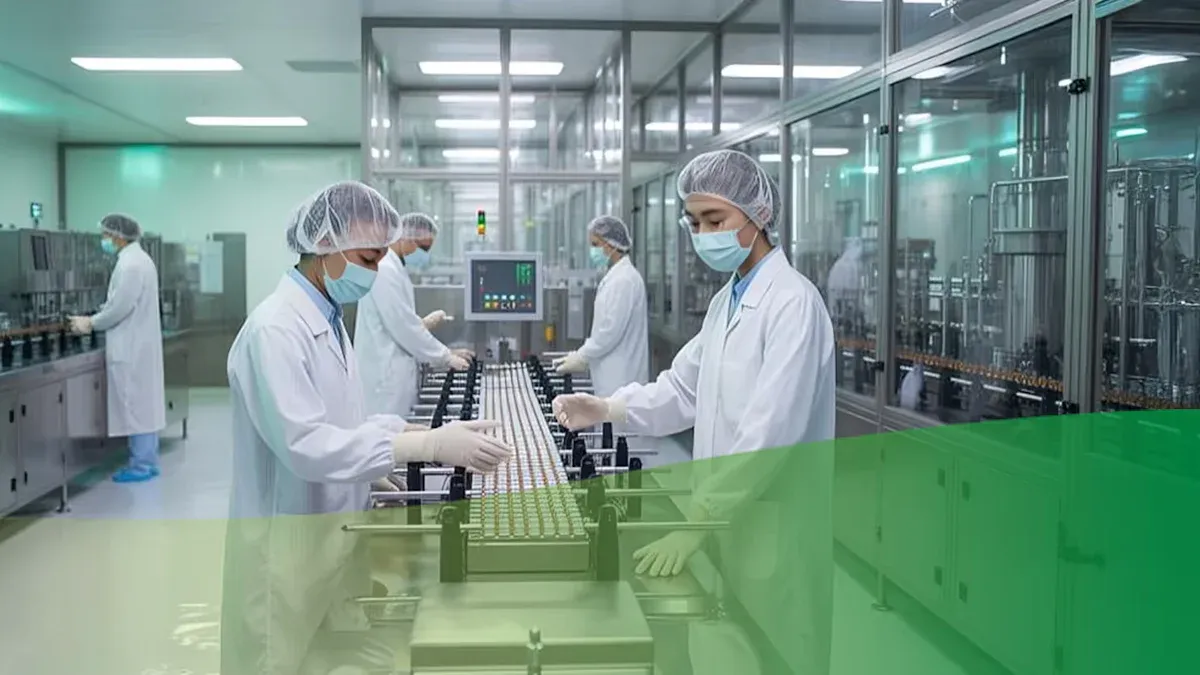
You set the foundation for ampoule filling quality with robust operator training. When you invest in your team’s knowledge, you build a culture of safety, precision, and accountability. Well-trained operators spot issues before they become problems. They keep your production line running smoothly and your products safe for patients.
SOPs & Safety
You must ensure every operator understands and follows Standard Operating Procedures (SOPs). These procedures outline each step, from machine setup to shutdown. Clear SOPs reduce confusion and prevent costly mistakes. You also need to prioritize safety. Teach your team to recognize hazards and respond quickly. Regular safety drills and refresher courses keep everyone alert. When you make safety a habit, you protect both your staff and your products.
Tip: Post visual SOP guides near workstations for quick reference. This simple step boosts compliance and confidence.
Hands-On Skills
You cannot rely on theory alone. Practical skills make the difference between average and exceptional results. You should focus on hands-on training that covers contamination control, aseptic techniques, and equipment validation. Operators who master these skills deliver consistent quality and minimize downtime.
| Critical Skills and Practices | Description |
|---|---|
| Contamination Control | Strategies to prevent microbial, particulate, or pyrogen contamination. |
| Aseptic Technique Training | Training to maintain a sterile environment during operations. |
| Equipment Setup and Validation | Use of checklists and tools for proper alignment and readiness. |
| Environmental Monitoring | Automated systems to maintain sterility assurance. |
| Cleaning and Sanitization | Programs to ensure cleanliness and reduce contamination risks. |
When you empower your operators with these skills, you reduce errors and elevate your ampoule filling quality. Skilled operators are your strongest asset—invest in their growth, and you secure your production success.
Raw Material Quality
You must prioritize raw material quality to guarantee safe and effective ampoule filling. High-quality ampoules and pure filling liquids protect your product from contamination and ensure patient safety. When you choose the right materials, you build trust and meet strict regulatory standards.
Ampoule Selection
Select ampoules that match your product’s needs and your manufacturing process. You should consider the form, light sensitivity, and risk of extractables or leachables. Always check for compliance with ISO 9187-1 to ensure container closure integrity.
●Choose ampoules compatible with your filling line.
●Assess light sensitivity for your drug.
●Minimize extractables and leachables.
●Confirm compliance with pharmaceutical standards.
| Type of Glass | Description | Quality Standards |
|---|---|---|
| Type I | Borosilicate glass, highly resistant to chemicals, suitable for sensitive injectable drugs. | Prevents leaching of ions into the solution. |
| Type III | Soda-lime glass treated with heat, used for less sensitive medications. | Meets pharmaceutical standards for many applications. |
Filling Liquid Purity
You must use filling liquids that meet pharmaceutical purity standards. Impurities can cause adverse reactions and compromise product safety. Test every batch for contaminants and document results. Pure ingredients protect your reputation and your customers.
Tip: Always verify certificates of analysis for each batch of filling liquid.
Supplier Evaluation
Evaluate suppliers with strict qualification processes. Reliable suppliers provide consistent quality and complete documentation. Regulatory bodies like the FDA and EU require you to approve all components and maintain traceability.
| Regulatory Body | Regulation | Key Requirement |
|---|---|---|
| FDA | 21 CFR 211.22 | Quality Control Unit must approve/reject all components and ensure adequate testing facilities. |
| EU | GMP Annex 15 | Manufacturers must control operations through qualification and validation, documenting any changes that may affect product quality. |
You secure your production line when you demand quality from every supplier. Insist on thorough documentation and regular audits. Take control of your raw materials and deliver excellence in every ampoule.
Ampoule Filling Production Line: Quality Control
Automated Inspection
You need to guarantee that every ampoule meets the highest standards. Automated inspection systems on your Ampoule Filling Production Line make this possible. These systems check each ampoule for cracks, black spots, and other defects. They work fast and accurately, inspecting up to 5,000 ampoules per hour. You can rely on these systems to reduce human error and increase productivity.
●Ampoule geometric inspection
●Black spot detection
●100% inline inspection
●Real-time analysis and feedback
Automated inspection systems integrate with your filling, sealing, and packaging equipment. They help you meet strict pharmaceutical regulations and provide complete documentation for audits.
| Feature | Description |
|---|---|
| High Output | Inspects 4,000–5,000 ampoules per hour |
| Multiple Inspection | Checks for cracks, contamination, and dimensional accuracy |
| Real-time Analysis | Gives instant feedback to operators |
| Compliance | Meets global pharmaceutical standards |
Fault Detection
You can catch problems before they reach your customers. The Ampoule Filling Production Line uses advanced technologies for fault detection. Deep learning methods, such as supervised neural networks, identify even the smallest defects. YOLOv8 models spot issues in real time, even under tough conditions. Integrated inspection systems combine stress detection, size measurement, and surface checks in one platform.
Stay ahead of faults and protect your brand with smart detection tools.
Validation & Monitoring
You must validate and monitor your Ampoule Filling Production Line to comply with Good Manufacturing Practice (GMP) guidelines. Aseptic processes require media simulation runs. You need three successful simulations, then repeat them every six months. If you find any failures, investigate them fully. Validation covers all steps, from raw material checks to environmental monitoring.
| Step/Requirement | Description |
|---|---|
| Media Fill Definition | Simulates aseptic filling with nutrient media |
| Validation Requirement | Validates all procedures, including process simulation |
| Environmental Monitoring | Tracks air quality, particles, and hygiene |
| Worst Case Simulation | Tests maximum loads and interventions |
| Number of Filled Units | At least 3,000 units for statistical confidence |
You build trust and ensure safety when you follow these protocols. Your Ampoule Filling Production Line will deliver consistent, high-quality results every time.
Process Optimization
You can boost the efficiency and reliability of your Ampoule Filling Production Line by focusing on process optimization. When you fine-tune each step, you get consistent results and higher product quality.
Filling Volume Control
You must control the filling volume with precision. If you overfill or underfill ampoules, you risk product loss or regulatory issues. Use calibrated measuring devices and automated sensors to check each ampoule. Set clear limits for acceptable volume ranges.
Accurate filling reduces waste and keeps your customers safe.
| Parameter | Target Value | Tolerance |
|---|---|---|
| Filling Volume | 2 ml | ± 0.05 ml |
| Reject Threshold | <1.95 ml or >2.05 ml | Immediate rejection |
Sealing Parameters
You need to optimize sealing parameters to protect your product. The sealing machine prevents spillage and ensures the medicine reaches your customers as intended. When you set the right sealing temperature, exposure time, and method, you create a hermetic seal. This seal keeps out contaminants and maintains sterility. You safeguard patient health and meet strict quality standards.
Speed Adjustment
You should adjust the production speed to match your quality goals. If you run the line too fast, you increase the risk of errors and defects. If you go too slow, you lose efficiency. Find the best speed for your equipment and staff. Monitor output and make changes as needed.
The right speed keeps your production line balanced and your results consistent.
You can achieve top performance when you optimize these critical steps. Take control of your process and deliver excellence with every ampoule.
Environmental Controls
You must control your environment to achieve top-quality ampoule filling. The right conditions protect your product from contamination and ensure every batch meets strict standards.
Temperature & Humidity
Keep your cleanroom at the ideal temperature and humidity. This step prevents machine issues and keeps your product stable.
●Set the temperature between 20°C and 25°C (68°F – 77°F) for best viscosity and machine performance.
●Maintain humidity between 40% and 60% to avoid corrosion and static electricity.
●Filter air to remove particles and keep the cleanroom within strict particle count limits.
When you control these factors, you reduce the risk of defects and keep your process reliable.
Contamination Prevention
You must stop contamination before it starts. Even small lapses can lead to costly recalls or unsafe products.
| Technology Type | Contamination Risk Reduction Factor |
|---|---|
| BFS | >100 |
| Closed Vial Technology | >100 |
Common risks include human intervention, cracks in glass containers, poor sanitization, and glass particles. The longer your ampoules stay exposed, the higher the risk. You must minimize exposure time in ISO5 environments to protect your product.
Cleanroom Practices
Adopt strict cleanroom practices to keep your ampoule filling line safe.
●Avoid materials like cardboard that shed particles.
●Store items off the floor in designated areas.
●Use dedicated cleanroom carts for transfers.
●Follow strict gowning procedures and train your team in aseptic techniques.
●Use unidirectional airflow to sweep away contaminants.
●Automate fill/finish steps to reduce personnel and lower contamination risk.
You create a safer, more reliable process when you enforce these practices. Take control of your environment and deliver excellence with every ampoule.
Upgrades & Modernization
Equipment Upgrades
You can transform your production results by upgrading your ampoule filling equipment. Modern machines deliver higher speed, better accuracy, and lower labor costs. When you switch from manual inspection to automated optical inspection (AOI), you see a dramatic improvement in quality and efficiency. The table below shows how AOI changes your process:
| Improvement Type | Before AOI (Manual) | After AOI (Automated) |
|---|---|---|
| Defect Detection Rate | 70-80% | 98-99% |
| Inspection Speed | N/A | 400 ampoules/minute |
| Labor Costs | Higher | Lower |
You reduce errors and boost output with these upgrades. You also meet strict industry standards with less effort. Upgrading your Ampoule Filling Production Line means you stay ahead of your competition.
Technology Integration
You gain even more control and consistency when you integrate new technologies. AI-powered inspection systems now work with your Manufacturing Execution Systems (MES) and Enterprise Resource Planning (ERP) platforms. These smart systems capture real-time data and refine their defect detection as production continues. Machine vision checks every ampoule for cracks or contamination, creating a self-improving quality control process.
You also benefit from advanced automation in filling and sealing machines. Intelligent control panels and touch screens let you adjust parameters quickly. Automated visual inspection ensures you comply with FDA and EU regulations, making audits easier. When you modernize your Ampoule Filling Production Line, you guarantee safer products and higher customer satisfaction.
Upgrade today and secure your place as a leader in pharmaceutical manufacturing.
You secure ampoule filling quality by focusing on automation, regulatory compliance, and innovative materials. Consistent improvement keeps your process strong. See how industry leaders succeed:
| Key Takeaway | Description |
|---|---|
| Automation | Next-generation automation boosts accuracy and speed. |
| Innovative Materials | Valor®™ glass vials cut breakage and contamination risks. |
Stay proactive and review your process often for the best results.
FAQ
What is the most important factor for ampoule filling quality?
You must focus on machine maintenance. Well-maintained equipment prevents defects and ensures every ampoule meets strict standards.
Consistent care leads to consistent results.
How often should you calibrate your ampoule filling machine?
You should calibrate your machine at least once a month. Regular calibration keeps your filling volumes accurate and protects your product quality.
Can automation improve ampoule filling quality?
Absolutely! Automation reduces human error and increases inspection speed.
●You get higher accuracy.
●You meet regulatory requirements.
●You boost your production efficiency.
Post time: Feb-05-2026