


Want to keep your Ampoule filling line running smoothly? Focus on these basics:
Clean and sanitize every part often
Inspect and calibrate machines regularly
Lubricate moving parts
Replace worn pieces
Update software
Train your staff well
Proactive care stops problems before they start.
Ampoule Line Maintenance

Cleaning and Sanitization
Keeping your ampoule filling line clean is the first step to safe production. After each use, every part should be cleaned and sanitized. This helps prevent contamination, which is a big concern in pharmaceutical manufacturing. The most common contaminant found in ampoule lines is glass particles. In one study, about two-thirds of ampoules checked had glass particles inside. Most of these were tiny, but even small particles can cause big problems for product safety and quality.
Tip: Always follow a strict cleaning schedule. Pay extra attention to areas where glass can break or collect.
A clean line means fewer recalls, less waste, and safer medicine for everyone.
Routine Inspection
Routine inspection is like a regular health check for your ampoule line. It helps you spot problems before they turn into costly downtime. Inspections should cover all parts of the line, from the filling station to the sealing area. Early detection means you can fix small issues fast, keeping the line moving and reducing lost time.
Here’s how routine inspection helps your production:
| Benefit | Description |
|---|---|
| Inspection Speed | Checks up to 400 ampoules per minute, so you don’t slow down. |
| Real-Time Feedback | Lets you adjust settings right away to avoid mistakes. |
| Predictive Maintenance | Finds problems early, so you can fix them before the line stops. |
| Faster Changeover | Makes switching between products quicker and smoother. |
Don’t skip these checks. They keep your ampoule line reliable and efficient.
Lubrication and Part Replacement
Moving parts need care to work well. Conveyor belts, gears, and bearings all need regular lubrication. This reduces friction and wear, helping your ampoule line run smoothly. Always use the lubricants and follow the schedule recommended by your equipment manufacturer.
- Lubricate all moving parts on a regular basis.
- Replace worn components before they fail.
- Check the manufacturer’s manual for the right products and timing.
If you keep up with lubrication and replace parts on time, you’ll avoid breakdowns and keep your production on track.
Ampoule Equipment Calibration
Calibration keeps your ampoule filling line accurate. You should calibrate your equipment at least once a month. This ensures every ampoule gets the right amount of product. If calibration is off, you could face regulatory trouble, unhappy customers, and higher costs from wasted product.
Note: Accurate filling is critical. Too little means patients don’t get the right dose. Too much means you waste product and money.
Regular calibration also helps you meet industry standards and pass audits. It’s a simple step that protects your business and your customers.
Quality Control and Training
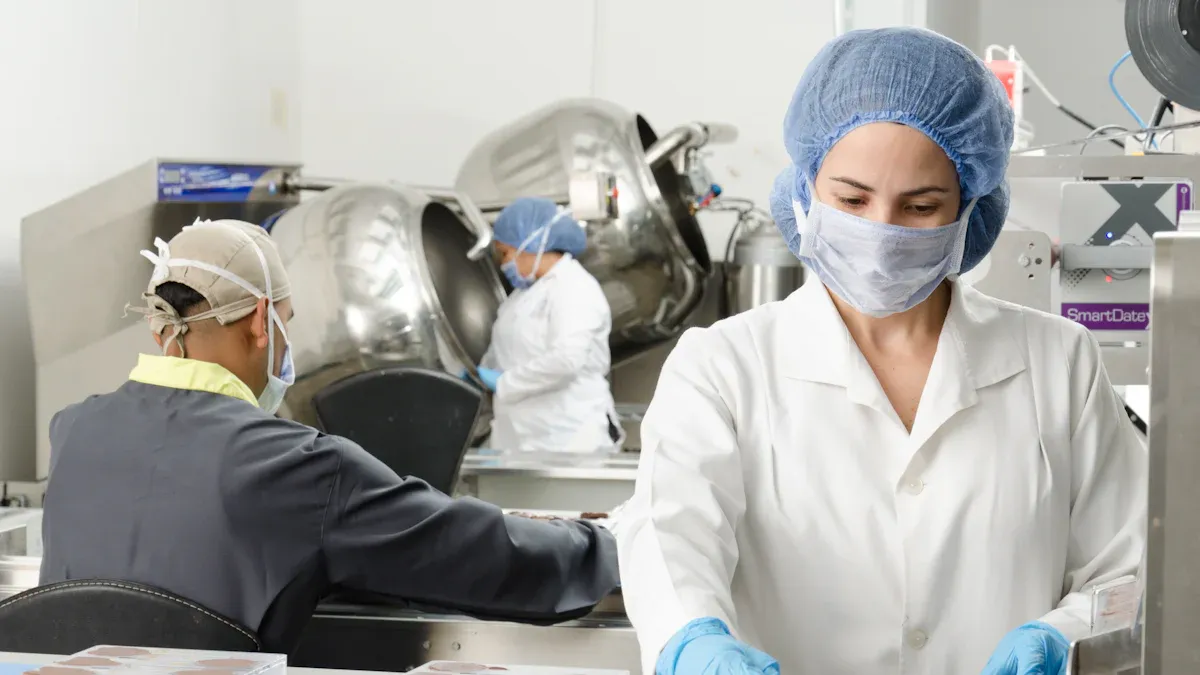
Automated Quality Monitoring
Automated quality monitoring keeps your ampoule line safe and efficient. These systems spot defects that people might miss. For example, automated inspection can catch up to 98-99% of defects, while manual checks only find about 70-80%. Here’s a quick look:
| Improvement Type | Before AOI (Manual) | After AOI (Automated) |
|---|---|---|
| Defect Detection Rate | 70-80% | 98-99% |
Automated systems check for many problems:
- Particulate matter floating in the liquid
- Fill level issues, like too much or too little product
- Cracks or chips in the glass
- Problems with the tip seal
You’ll find rotary, linear, and AI-enabled systems on modern lines. These machines work fast and help you keep every ampoule safe.
Staff Training and SOPs
People make a big difference in production quality. Well-trained staff know how to keep things sterile and follow standard operating procedures (SOPs). Training helps operators manage equipment and reduce mistakes. Hands-on practice in contamination control and aseptic techniques is key. When operators master these skills, downtime drops and quality goes up.
Operators should repeat media fill validation every six months. This keeps everyone sharp and ready for any challenge.
Investing in your team means fewer errors and better results.
Environmental and Material Controls
Cleanrooms and good materials protect your product. You need to monitor the air and surfaces all the time. Here’s how:
| Monitoring Method | Purpose |
|---|---|
| Total Particulate | Watch for airborne particles |
| Active Air | Check for germs in the air |
| Settle Plates | See what lands on surfaces |
| Contact Plates | Test surface cleanliness |
| Swabs | Check surfaces as needed |
Choosing high-quality materials, like cyclo-olefin co-polymer, lowers contamination risk. Over the years, better containers and filling methods have made ampoule production much safer. Always check for changes in your environment and materials to keep your line running smoothly.
Preventive Maintenance & Upgrades
Maintenance Scheduling
A good maintenance schedule keeps your ampoule line running without surprises. Think of it as a checklist for your team. Here’s what you should include:
- Regular cleaning and sanitization to stop contamination.
- Inspection for wear and tear so you can catch problems early.
- Lubrication of moving parts to keep everything moving smoothly.
- Calibration of fill volumes to make sure every ampoule gets the right amount.
- Training for staff so everyone knows what to do.
When you stick to a schedule, you avoid sudden breakdowns and expensive repairs. Most companies find that preventive maintenance cuts long-term costs and keeps downtime low. It also helps your line work better and last longer.
Tip: Follow the manufacturer’s guidelines and industry standards for the best results.
Use of Genuine Parts
Always use genuine parts when you repair or upgrade your ampoule filling line. These parts fit perfectly and last longer. Using the right parts means fewer breakdowns and less wasted time. It also keeps your equipment safe and reliable. If you use cheap or fake parts, you might save money now, but you’ll pay more later with repairs and lost production.
Equipment Upgrades
Technology changes fast. Upgrading your equipment and software can boost performance and security. Newer machines often work faster and spot problems sooner. Upgrades can also help you meet new safety rules and industry standards. If your ampoule line is getting old, think about what new features could help your team do a better job.
Upgrades are an investment in your future. They keep your production line strong and ready for new challenges.
Keeping your ampoule filling line in top shape is simple. Focus on these basics:
- Clean and inspect often
- Calibrate and lubricate equipment
- Replace worn parts
- Update software
- Train your team
Stay proactive and stick to your schedule. Reliable production starts with regular care!
FAQ
How often should I clean my ampoule filling line?
Clean after every batch. This keeps your line safe and prevents contamination. Stick to your cleaning schedule for best results.
What’s the best way to train staff for ampoule production?
- Use hands-on practice
- Review SOPs regularly
- Repeat media fill validation every six months
Training keeps your team sharp and reduces mistakes.
Why is calibration important for ampoule filling machines?
Calibration ensures each ampoule gets the right amount. It helps you meet standards and avoid wasted product or regulatory trouble.
Post time: Feb-10-2026