


Selecting the best Ampoule Sealing Machine means finding one that fits your needs. You should check the ampoule type and size. You also need to know how thick your product is. Make sure the machine works well with cleaning, sterilization, and filling steps. The maker’s skill and help are important too.
| Factor | Why It Matters |
|---|---|
| Quality and Reliability | Makes sure every batch has strong, steady seals |
| Technical Expertise | Gives you the right setup and help when you need it |
| Customization Options | Lets you change things for different ampoules and filling needs |
| Regulatory Compliance | Keeps your work safe and follows the rules |
| After-Sales Support | Gives you training, fixes, and fast help when you need it |
Key Takeaways
●Pick an ampoule sealing machine that fits your ampoule type and size. This helps the machine work its best. Make sure the machine seals well so there are no leaks. This keeps your product safe. Find a machine with automation features. These features make production faster and need less manual work. Check if the machine meets all rules and standards. This makes sure it is safe and high quality. Choose a manufacturer that offers good after-sales support. They can help you with repairs and maintenance.
Ampoule Sealing Machine Basics
What Is an Ampoule Sealing Machine
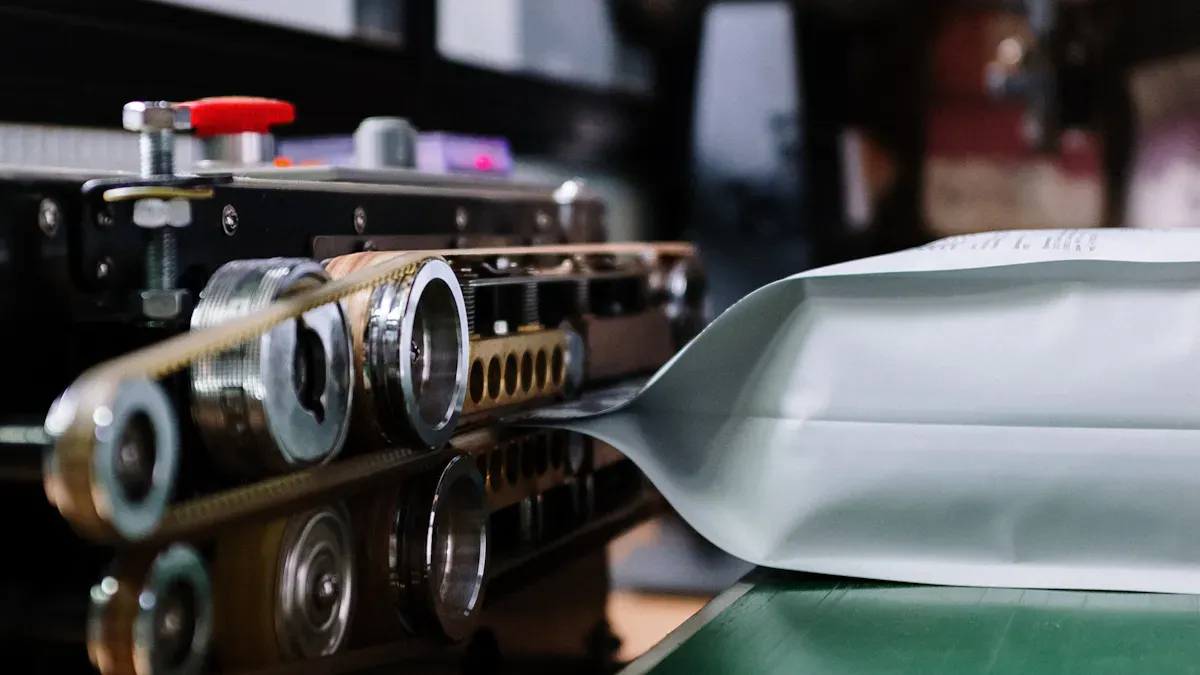
An ampoule sealing machine fills and seals small glass ampoules. The machine works by itself. It puts the right amount of liquid in each ampoule. This liquid can be medicine, serum, or essential oil. After filling, the machine seals the ampoule. This keeps the inside clean and stops germs from getting in.
Here is what happens step by step:
1.You put empty ampoules into the machine.
2.The machine moves them to where they get filled.
3.Each ampoule gets the correct amount of liquid.
4.The ampoules go to the sealing part, and the machine seals them tight.
This keeps your products safe and clean. These machines are used in medicine, biotech, and cosmetics.
Tip: Ampoule sealing machines help stop mistakes and keep products safe for people.
Role in Production Lines
An ampoule sealing machine is very important in a production line. It can fill and seal many ampoules every minute. This helps when you need to make a lot of products fast. The machine makes sure each ampoule has the right amount of liquid. This means less waste and fewer mistakes.
The machine works in a closed space, so your work area stays clean. This is needed when making injectable medicines or other sensitive things. It also helps keep workers safe by lowering the chance of broken glass and injuries.
When you use this machine, your workers can do other jobs. Automation saves time and helps you work better. You can meet strict quality rules and keep your products safe to use.
Key Selection Criteria
Sealing Quality
You want each ampoule to have a strong seal. The seal must be clean and safe. Good machines use a hot flame to close the ampoule neck. This makes a tight seal that keeps your product safe. Sensors in the machine check for problems. They look for ampoules that are not lined up right. They also check if there is not enough liquid inside. These sensors help you find mistakes early. This keeps your batches the same every time. Some machines use special gases when sealing. These gases stop the medicine from going bad. They help keep the medicine strong.
| Feature | Function |
|---|---|
| High-temperature flame | Melts and closes the neck of the ampoule, creating a sterile seal. |
| Built-in sensors | Detect misalignments and defects, ensuring quality control. |
| Inert gases | Protects the contents from oxidation, maintaining therapeutic effects. |
Tip: If your seals are always good, you will have fewer bad batches. This keeps your products safe for people.
Ampoule Compatibility
You need to pick a machine that fits your ampoules. Most machines work with Form B ampoules. These can be from 1ml to 20ml in size. This size range is good for many uses. You can use them in pharma, Ayurvedic, and cosmetics. You can change sizes fast with only a few new parts. This saves you time.
| Type of Ampoule | Size Range |
|---|---|
| Form B Ampoule | 1ml to 20ml |
Check if your ampoules can be cleaned with heat. Glass ampoules can take steam or dry heat. Plastic ampoules must not melt or change shape. The shape of your ampoule is important too. A good shape stops leaks and keeps your product safe. Make sure your ampoules fit the machine. This helps stop jams or damage.
Filling Precision and Product Viscosity
You want every ampoule to have the right amount inside. How thick your product is changes what filler you need. Thin liquids work best with gravity fillers. Medium-thick products need piston fillers. Thick products, like syrup, need gear pump fillers. These fillers may be slower and may need heat.
| Viscosity Type | Recommended Filling Technology | Key Considerations |
|---|---|---|
| Low Viscosity | Gravity Fillers | Best for quick flow, prevents jams |
| Medium Viscosity | Piston Fillers | Handles moderate thickness effectively |
| High Viscosity | Gear Pump Fillers | Requires slower speeds and possible heating |
Note: Picking the right filler stops clogs. It keeps your line working well.
Production Speed and Automation
Pick a machine that matches how fast you want to work. Automated Ampoule Sealing Machines use smart systems. These systems make your job easier. They also cut down on hand work. Your production stays fast and steady. Some machines can collect and study data. This helps you find problems and get better.
●Automation cuts mistakes and saves time.
●Data tools help you watch and improve your work.
●High automation lets you do other jobs.
Regulatory Compliance
You must follow strict rules in this field. Your Ampoule Sealing Machine should meet FDA and EMA rules. Machines with cGMP, FDA, and ISO badges show they are safe and high quality. Using checked and tested machines helps you pass checks. It also keeps your products safe.
●FDA and EMA rules keep products safe and good.
●cGMP badge shows your machine is clean and safe.
●ISO badge means your machine meets world standards.
Alert: Always look for badges before you buy. This keeps your business and customers safe.
Maintenance Needs
Pick a machine that is easy to clean and fix. Cleaning often removes dirt and keeps things safe. You should set things like fill amount and heat before each run. Check your machine often for broken parts. Change bad parts fast to stop bigger problems. Put oil or grease on moving parts every week.
| Maintenance Task | Description |
|---|---|
| Cleaning | Regular cleaning with recommended agents to remove contaminants and disinfect the machine. |
| Setting | Adjusting parameters like fill volume, speed, and sealing temperature before operation. |
| Inspection | Regular checks for wear and tear, including during operation for any irregularities. |
| Parts Changeover | Timely replacement of damaged parts to prevent further issues and maintain efficiency. |
| Lubrication | Weekly application of recommended grease or oil to ensure smooth operation of movable parts. |
Easy care means less time stopped and more work done. Simple machines help you keep working and avoid costly breaks.
Evaluating Manufacturers and Support
Manufacturer Experience
Check how long the company has made Ampoule Sealing Machines. Skilled makers build machines that last a long time. They know what different industries need. Ask about their history and how many years they have worked. Look for reviews from other customers. You can ask for proof of their work. Good companies share stories about their success. They show you examples of their machines. This helps you trust what they sell.
Tip: Pick a company with lots of good reviews. This makes you feel better about buying from them.
After-Sales Service
After-sales service is very important for your machine. You want help when something goes wrong. Good companies give support in many ways:
●Quick help and spare parts when you need them.
●Online training with videos and easy guides.
●Regular checks to see if your machine works well.
●Help with warranty problems.
●Spare parts sent fast to any country.
These services keep your machine working well. You lose less time if your machine breaks. You also learn how to use your machine the right way.
Note: Good after-sales support helps you fix problems fast. This keeps your production going strong.
Warranty and Spare Parts
Always check the warranty before you buy a machine. Most top companies give a one-year warranty. This covers repairs but not parts you use up. You can still get help after the warranty ends, but you may pay for repairs.
| Product Name | Warranty Period | Notes |
|---|---|---|
| Semi Automatic Plastic Ampoule Filling and Sealing Machine HX-005 | 1 year | Does not cover parts you use up; repairs cost money after warranty. |
You need to get spare parts easily and quickly. Good companies send parts fast, no matter where you live. They help you keep enough spare parts so you do not run out. This keeps your machine working and stops long breaks.
Callout: Always ask about spare parts and warranty before you buy. This keeps your money safe.
Process Integration in Ampoule Filling Lines
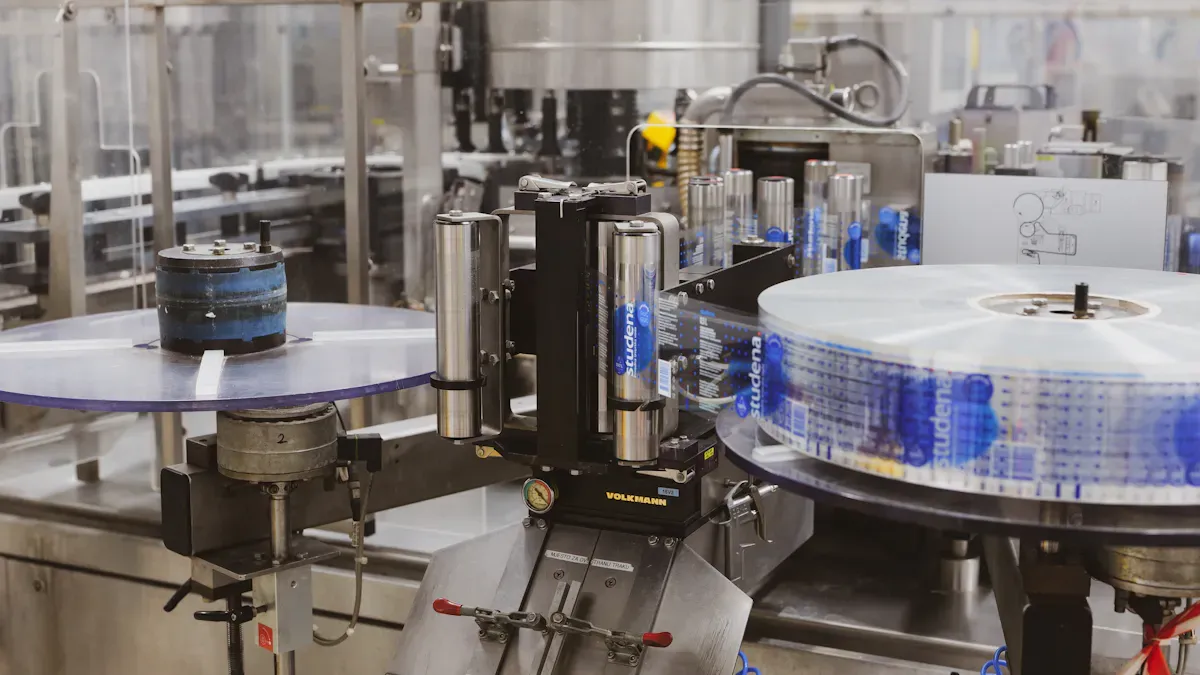
When you connect all steps in your ampoule filling line, you get many benefits. You can make your work faster and safer. Linking washing, sterilizing, filling, and sealing cuts down on hand work. This keeps ampoules safe from germs and dust. You can watch every step and keep things running right. Central monitoring helps you set each part just right. This stops slowdowns and keeps products clean. Using an integrated system makes it easier to follow strict rules.
Cleaning and Sterilization
Ampoules must be clean and sterile before you start. Washing takes away dirt and leftover bits. Sterilization kills all germs and toxins. You need to heat ampoules to high temperatures, like 250ºC, to make them safe. The table below shows how each step helps:
| Process | Purpose | Outcome |
|---|---|---|
| Ampoule Washing | Removes dirt and leftover bits | Clean ampoules |
| Sterilization Tunnel | Kills germs and toxins | Safe ampoules |
| Reference Temperature | 250ºC for killing E.coli and toxins | Makes ampoules safe |
Keep the room clean too. Use filtered air and keep humidity between 40% and 60%. This stops rust and static. Always use carts and tools made for clean rooms.
Filling and Sealing with Ampoule Sealing Machine
After cleaning and sterilizing, fill and seal the ampoules. Automation helps you use fewer workers. This lowers the risk of germs getting in. Use predictive analytics to plan fixes and stop breakdowns. IoT lets you see how machines work right now. Modular machines let you change parts easily. Work with suppliers to keep your line running and follow rules.
●Use predictive analytics to plan fixes.
●Add IoT to watch machines live.
●Pick modular machines for easy changes.
●Work with suppliers for help.
●Automate steps to lower contamination.
Tip: Upgrade your machines to work faster, more accurately, and with less labor.
You can pick the best ampoule sealing machine by thinking about what your production needs. Find machines that give you:
●Fast filling and sealing so you get more done
●Accurate and steady work to keep ampoules safe
●Ability to use different ampoule sizes and types
●Automatic controls that are simple to use
Make sure these features fit your process. Choosing carefully keeps your products safe and helps your line work well.
FAQ
What types of ampoules can you seal with these machines?
These machines can seal glass ampoules. They work with Form B types from 1ml to 20ml. Some machines can seal plastic ampoules too. Always check if your machine fits your ampoules before you start.
How often should you clean the ampoule sealing machine?
Clean the machine after each production run. Cleaning often keeps your products safe. It also helps the machine last longer.
Do you need special training to operate an ampoule sealing machine?
Yes, you need training to use the machine. Most makers give guides and videos. Training helps you use the machine safely. It also helps you fix small problems fast.
What should you do if the machine stops working?
First, look for simple problems like jams or empty supplies. If you cannot fix it, ask your manufacturer’s support team for help.
Post time: Apr-07-2026