


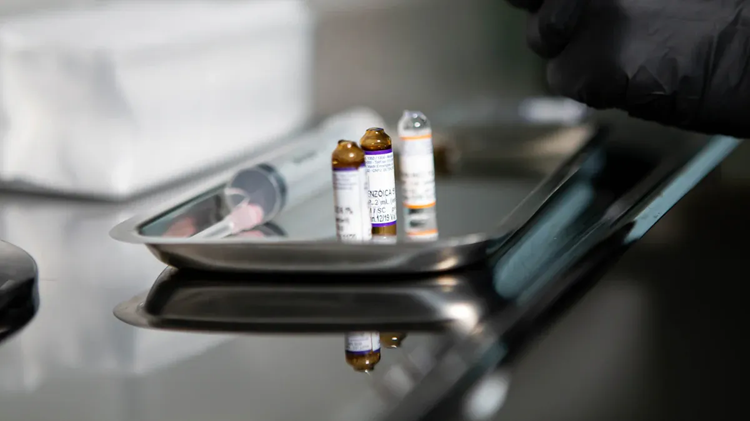
Liquid Vial Filling plays a key role in keeping medicine safe for patients.
●Automation reduces human error and lowers contamination rates by up to 30%.
●Tamper-evident seals and smart tracking systems protect drug integrity and prevent counterfeiting.
Advanced aseptic techniques improve sterility, making medicines more reliable and effective.
What Is Liquid Vial Filling?
Purpose and Importance
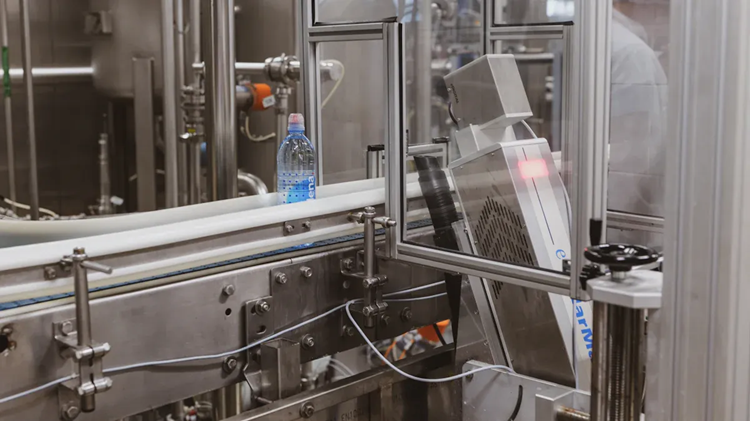
Liquid Vial Filling is a process used in pharmaceutical manufacturing to fill small glass or plastic vials with liquid medicine. This process is essential for making sure that each vial contains the right amount of medicine and stays free from germs or other contaminants. The main goals are to keep the medicine sterile, accurate, and safe for patients.
●Automates the filling of vials with liquid products.
●Ensures each vial receives the correct dose.
●Reduces the risk of contamination.
●Maintains sterile conditions for product safety.
●Meets high-speed production needs.
Modern machines use advanced technology to keep the environment clean and controlled. This helps protect the medicine from bacteria and dust. Sterility and accuracy are critical because even a small mistake can affect patient health.
How It Works
The Liquid Vial Filling process uses several machines, each with a special job. Here is a table showing the main components and their functions:
| Component | Function |
|---|---|
| Vertical ultrasonic cleaning machine | Cleans vials to remove contaminants. |
| RSM Sterilizer Dryer | Sterilizes and dries vials to kill germs. |
| Filling and capping machine | Fills vials with liquid and places caps to keep them sealed. |
| KFG/FG capping machine | Seals vials tightly to prevent leaks and contamination. |
| Integration and independence | Allows machines to work together or alone for flexible production. |
Different types of machines, such as automatic, tabletop, and piston fillers, help improve safety. Automation reduces human error and keeps the process consistent. Advanced sensors check that each vial gets the right amount of medicine. Cleanrooms with filtered air and strict monitoring keep the environment sterile, which is vital for medicine safety.
Liquid Vial Filling Steps for Safety
Preparation and Sterilization
Preparation and sterilization form the foundation of safe medicine production. Every vial must be free from germs before filling. This step uses advanced equipment to clean and sterilize vials, closures, and stoppers. Aseptic filling keeps drug substances sterile during transfer, which is vital for patient safety. If contamination occurs, the medicine can become unsafe.
The table below shows common sterilization methods and their considerations:
| Sterilization Method | Description | Considerations |
|---|---|---|
| Moist Heat | Used for vial closures in an autoclave with steam. | Must be validated for effectiveness and material compatibility. |
| Dry Heat | High temperatures for long periods. | Not suitable for most pharmaceutical elastomers. |
| Ionizing Radiation | Effective for some applications. | Pros and cons depend on the case. |
| Gas (Ethylene Oxide) | Used for medical devices. | Not common in pharmaceuticals due to purity concerns. |
Several factors affect sterilization success:
●Equipment qualification
●Resistance of materials to sterilization
●Heat penetration and thermal profiling
●Load size and configuration
●Use of biological indicators
●Proper air removal
Modern machines automate these steps, reducing human error and increasing consistency. Cleanrooms with filtered air help maintain aseptic conditions throughout the process.
Note: Proper sterilization preserves the integrity of the medicine and protects patients from harmful microbes.
Accurate Filling and Dosing
Accurate dosing ensures each vial contains the correct amount of medicine. This step uses advanced sensors, flow meters, and filling systems to measure and dispense liquids with high precision. Automation helps maintain tight tolerances and reduces the risk of mistakes.
Here are some common methods used in Liquid Vial Filling:
| Method | Description | Advantages |
|---|---|---|
| Precision & Accuracy | Sensors and flow meters control fill volume. | Reduces waste and supports compliance. |
| Quality Control & Inspection | Checkweighers and vision systems detect errors. | Prevents recalls and ensures quality. |
| Vacuum Filling | Uses pressure differences to fill vials. | Limits air exposure and spillage. |
| Pump Filling | Pumps move liquid into vials. | Works with many types of liquids. |
| Piston Filling | Piston and cylinder system for dosing. | Good for thick or viscous products. |
Modern machines can fill up to 200 vials per minute with over 99% accuracy. This speed and precision help meet high production demands while keeping each dose safe and reliable.
Sealing and Capping
Sealing and capping protect the medicine after filling. This step places a stopper on each vial and applies force to create a tight seal. The process locks the rubber stopper in place, ensuring the vial stays closed and sterile.
The table below highlights key aspects of sealing and capping:
| Key Aspect | Description |
|---|---|
| Sterility Maintenance | Keeps the drug product free from contamination. |
| Compliance with Standards | Meets global regulatory requirements. |
| Integrity Assurance | Crimping ensures long-term product safety. |
| Risk of Contamination | Unsealed vials can become contaminated or leak. |
| Microbial Challenge Testing | Packaging must pass tests to confirm no leaks. |
●Vial sealing acts as a barrier against outside contamination.
●Quality standards during sealing prevent breaches that could harm the product.
The capping process uses controlled force to achieve container closure integrity. This step is essential for keeping the medicine safe throughout its shelf life.
Inspection and Quality Control
Inspection and quality control are the final safeguards in Liquid Vial Filling. Automated systems check each vial for correct fill levels, proper sealing, and packaging completeness. These checks help prevent underfilling, overfilling, or missing components.
| Measure | Description |
|---|---|
| Fill Level Control | Checkweighers ensure each vial has the right amount of medicine. |
| Completeness Control | Systems verify all packaging materials are present. |
| Serialization | Unique codes track each vial for recalls and anti-counterfeiting. |
| Aggregation | Groups vials for efficient tracking and logistics. |
Regulatory standards, such as FDA and GMP, require strict documentation and traceability. Automated machines support compliance by recording every step and reducing human error. Features like cleanroom designs and HEPA filtration maintain the required environment for safe production.
Tip: Meeting regulatory standards is not just about following rules—it ensures that every patient receives safe and effective medicine.
Contamination Prevention and Compliance
Aseptic Techniques
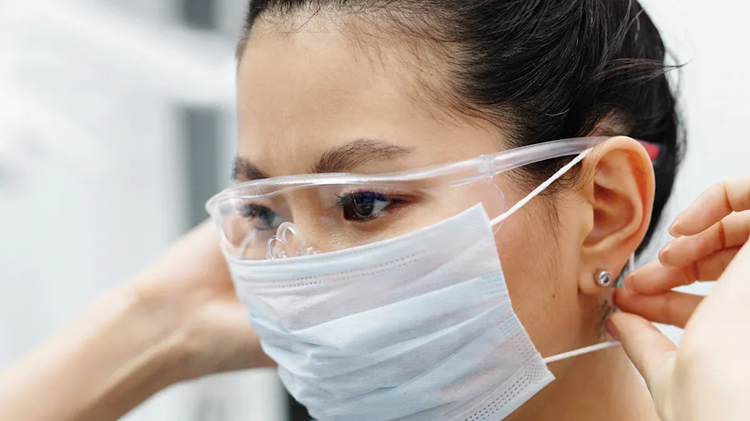
Aseptic techniques are essential for keeping medicines safe during Liquid Vial Filling. Sterile environments, equipment, and procedures work together to prevent contamination. Cleanrooms use filtered air and unidirectional airflow cabinets to keep dust and germs away from open vials. Staff disinfect work areas, wash hands, and wear special clothing to reduce risks. Specialized machines limit air exposure and use flames to kill bacteria when opening containers.
| Sterilization Method | Description |
|---|---|
| Dry Heat Sterilization | Heats glass containers to high temperatures for about an hour to ensure sterility. |
| Autoclaving | Uses high-pressure steam to kill germs in equipment and materials. |
| Radiation Sterilization | Uses gamma or UV light for heat-sensitive products. |
| Chemical Sterilization | Uses agents like hydrogen peroxide for items that cannot handle heat. |
| Filtration | Removes microbes from liquids using special filters. |
Regulatory Standards
Strict regulations guide every step of the process. Automated fill systems must meet FDA and EU guidelines. Current Good Manufacturing Practices (cGMP) and 21 CFR Part 11 standards require machines to be validated and processes to be documented. Ready-to-use vials help reduce risks during preparation. Compliance ensures reliable production, sterility, and patient safety.
| Aspect of Compliance | Importance for Patient Safety |
|---|---|
| Sterility Guidelines | Keeps drug products free from contamination. |
| Facility Design | Reduces contamination risks during filling. |
| Personnel Training | Ensures staff follow safety rules. |
Risk Mitigation
Several risks can affect medicine safety, such as microbial contamination, particulate matter, and incorrect dosing. Crimp sealing can create particles, so it is done in a separate cabinet. Aerosol generation during filling can contaminate vial surfaces, so rapid decontamination methods like vaporized hydrogen peroxide are used. Automated systems, gloveless operations, and barrier technology reduce human contact. Advanced sensors and weight-checking systems prevent dosing errors. Regular monitoring and strict guidelines help keep every vial safe for patients.
Tip: Reducing human intervention and using advanced technology are key to preventing contamination in medicine production.
Liquid Vial Filling protects medicine by combining several safeguards:
●Contamination detection systems keep harmful defects away from patients.
●Accurate dosing ensures effective treatment.
●Automation reduces mistakes and boosts efficiency.
●Regulatory compliance maintains product quality and trust.
| Key Benefit | Description |
|---|---|
| Fast Output | High-speed sterile vial filling |
| Hygiene | Sterile contact parts for injectables |
These steps are critical for patient health and medicine reliability.
FAQ
What is the main goal of liquid vial filling?
The main goal is to keep medicine sterile and accurate. This process helps protect patients from harmful germs and incorrect doses.
How do machines help prevent contamination?
Machines use cleanrooms, filters, and automation. These features lower the risk of germs entering the medicine during filling.
Why is accurate dosing important in vial filling?
Accurate dosing ensures each patient gets the right amount of medicine. This helps the medicine work as intended and keeps patients safe.
Post time: Mar-03-2026