


Selecting the right Liquid Vial Filling machine depends on several key factors. The characteristics of your liquid, such as viscosity, play a major role. Vial size and material also impact compatibility. Production scale determines speed and throughput needs. Compliance is critical, especially in regulated industries.
| Compliance Aspect | Description |
|---|---|
| Accuracy | Machines should have ±0.5% to ±1% accuracy based on volume. |
| GMP Standards | Adherence to Good Manufacturing Practice is required. |
| Regulatory Standards | Must meet FDA 21 CFR Part 11, EU GMP Annex 1, and ISO 13485. |
Understanding these aspects ensures efficient and compliant operation.
Key Takeaways
●Understand your liquid’s viscosity. Choose the right pump type to ensure accurate filling and prevent waste.
●Select a filling machine that matches your vial size and material. This ensures compatibility and efficient operation.
●Consider your production needs. Choose the right automation level to improve efficiency and reduce labor costs.
Define Product and Vial Needs
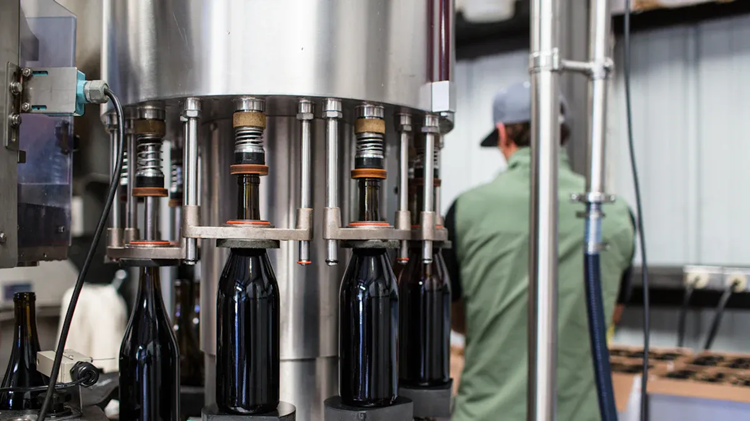
Liquid Viscosity and Flow
Choosing the right Liquid Vial Filling machine starts with understanding the viscosity of your product. Liquids with different thicknesses require specific pump types. Water-like liquids move easily and need gentle handling. Thick oils flow slowly and demand stronger pumps. The table below shows how viscosity affects pump selection:
| Viscosity Type | Recommended Pump Type | Notes |
|---|---|---|
| Water-like liquids | Peristaltic pumps | Ensures sterility as liquid only touches tubing |
| Thick oils | Piston pumps | Necessary for handling higher viscosity liquids |
Tip: Always match the pump type to your product’s viscosity. This prevents waste and ensures accurate dosing.
Vial Size and Material
Vial size and material also play a key role in Liquid Vial Filling operations. Glass vials are common but fragile. They need gentle handling and shock-absorbing systems. Plastic vials, such as PP or PET, are more durable but can deform under pressure. Machines must adapt to these differences. The table below highlights typical vial materials and sizes:
| Vial Material | Characteristics | Typical Sizes |
|---|---|---|
| Glass | Fragile, requires gentle handling and shock-absorbing systems | 1–5 mL |
| Plastic (PP, PET) | More durable but may deform under pressure, needs anti-static measures | 1–5 mL |
| Vial Dimensions | Must match machine fixtures; modular tooling allows quick changeovers | Diameter, height, neck finish |
Selecting the right machine means checking that it fits your vial’s size and material. Modular tooling helps with quick changeovers and supports flexible production.
Set Production Requirements
Throughput and Speed
Production requirements shape the choice of a Liquid Vial Filling machine. Throughput measures how many vials a machine can fill in a given time. Speed depends on several factors:
●Liquid viscosity affects filling speed. Thicker liquids require slower speeds for accuracy.
●Container size and shape influence efficiency. Smaller vials may be filled faster, but narrow or irregular shapes need slower speeds to prevent spillage.
●Product temperature changes viscosity. Extreme temperatures may require adjustments to maintain consistent speed.
●Machine design impacts performance. Advanced machines with precision controls can fill faster while keeping accuracy high.
●Production environment matters. Air pressure and humidity can affect machine operation and speed.
Tip: Always consider how your product and container characteristics impact filling speed. Adjust settings to avoid waste and ensure consistent output.
Filling Accuracy
Accuracy is essential in pharmaceutical and biotech operations. Industry standards for filling accuracy range from ±0.3% to ±1%. Machines must balance speed and precision. Faster machines may lose accuracy if not calibrated properly. Manufacturers use several strategies to maintain consistent accuracy:
●International regulatory standards ensure uniformity in content and weight.
●Validation strategies, such as design of experiments, reduce validation failures.
●Standard operating procedures help facilities avoid accuracy-related deviations.
●Structured operator training reduces variations in filling results.
●Digital monitoring systems detect accuracy drift early and decrease out-of-specification incidents.
●Advanced dosing systems improve accuracy compared to conventional methods.
Note: Consistent filling accuracy protects product quality and meets regulatory requirements. Choose machines with proven accuracy and robust monitoring systems.
Compare Liquid Vial Filling Technologies
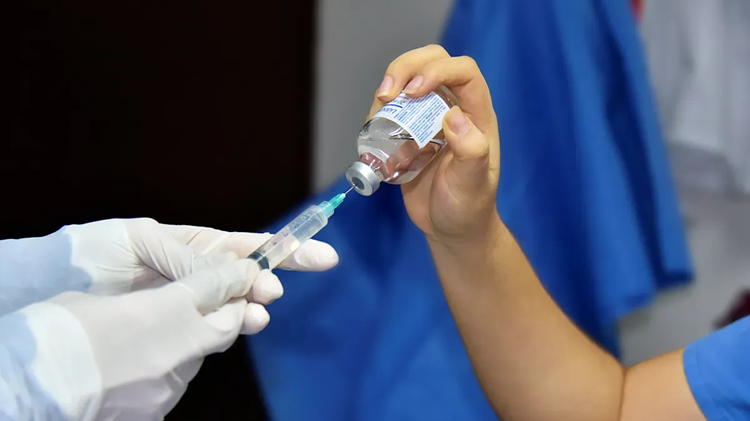
Gravity, Pump, and Overflow Fillers
Choosing the right filling technology is essential for efficient and accurate Liquid Vial Filling. Each technology works best with certain types of liquids and production needs. The table below compares the main features of gravity, pump, and overflow fillers:
| Characteristic/Feature | Gravity Fillers | Pump Fillers | Overflow Fillers |
|---|---|---|---|
| Viscosity Range | Low to Medium | Low to High | Low to Medium |
| Accuracy | Good | Good | Excellent |
| Speed | Moderate | High | Moderate |
| Foaming Control | Limited | Limited | Excellent |
| Maintenance Requirements | Low | Moderate | Low |
| Versatility | Medium | High | High |
| Air Removal Capability | Limited | Limited | No Air Removal |
| Hazardous Liquids | Yes | Yes | Yes |
| Common Applications | Water, juice, beverages, milk, edible oils, personal care products, cleaning and household products, etc. | Lotions, creams, shampoos, conditioners, syrups, beverages, sauces, dressings, liquid detergents, cleansers, automotive and industrial liquids, etc. | Beverages, food, sauces, condiments, personal care and household products, pharmaceuticals, healthcare products, chemicals and industrial liquids, etc. |
Pump fillers, especially piston and positive displacement types, are ideal for high-viscosity liquids. These machines use strong pushing force to move thick, slow-flowing, or sticky products. They maintain consistent fill volumes, even when the liquid is dense or semi-solid. Gravity fillers work well for water-like or medium-viscosity products. Overflow fillers provide excellent accuracy and control foaming, making them suitable for products that tend to foam or require precise fill levels.
Tip: Match the filling technology to your product’s viscosity and desired accuracy. For thick or sticky liquids, pump fillers offer the best results.
Automation Levels
The level of automation in a Liquid Vial Filling machine affects both daily output and operational efficiency. There are three main types: benchtop, semi-automatic, and fully automatic machines.
●Benchtop machines are compact and best for small batches or laboratory use. They require manual operation for each vial, which limits speed and output.
●Semi-automatic machines increase productivity. Operators load and unload vials, but the machine handles the filling process. These machines can fill between 1,000 to 10,000 vials per day, depending on factors like filling speed, liquid properties, vial size, and operator skill.
●Fully automatic machines offer the highest output. They can fill hundreds or thousands of vials per hour with minimal operator involvement. These machines are ideal for large-scale production and tight deadlines.
| Machine Type | Initial Cost | Operational Costs | Features |
|---|---|---|---|
| Entry-level machines | Lower | Higher | Basic functionality, may lack precision |
| Mid-range systems | Moderate | Moderate | Balance of automation and accuracy |
| Premium industrial fillers | Higher | Lower | Advanced controls, data logging, integration |
Upgrading from semi-automatic to fully automatic machines requires a higher initial investment. However, automatic machines reduce labor costs and increase output over time. A careful financial analysis should consider both short-term and long-term expenses.
Note: Choose the automation level that matches your production volume and budget. For growing operations, investing in automation can lead to greater efficiency and long-term savings.
Integration and Compatibility
Downstream Equipment
A successful Liquid Vial Filling process depends on how well the filling machine connects with other equipment in the production line. Common downstream equipment includes:
●Capping machines that seal vials after filling
●Inspection systems that check for fill level, leaks, or defects
Compatibility with downstream equipment is essential for smooth operation. When machines do not match in connector types or tubing sizes, production can slow down or stop. Standardizing connectors and protocols helps different machines work together. This reduces errors and improves efficiency. Manufacturers often plan the layout of the production area to ensure that all machines fit and operate without causing bottlenecks.
Note: Seamless integration with downstream equipment supports higher productivity and consistent product quality.
Automation and Expansion
Planning for automation and future growth is important when selecting a filling machine. Consider these steps:
1.Assess your current packaging process to find areas that need improvement.
2.Work with experienced automation providers for expert advice and support.
3.Compare different automation solutions to choose the best fit for your needs.
4.Select equipment that can scale up as your business grows.
5.Ensure reliable maintenance and support to keep operations running smoothly.
6.Train your staff to operate and maintain new machines effectively.
Manufacturers also look at product specifications, production output needs, and space requirements. They check if the new machine can handle different container sizes and shapes. Advanced automation features can help reduce downtime and make operation easier.
| Step | Description |
|---|---|
| Integration with Equipment | Ensure compatibility with upstream and downstream machines |
| Automation and Controls | Use advanced features to simplify operation and minimize downtime |
Choosing the right integration and automation strategy helps your production line stay efficient and ready for future demands.
Operational and Compliance Factors
Maintenance Needs
Operators face several maintenance challenges with liquid vial filling machines. These issues can affect reliability and production efficiency. The table below shows common maintenance challenges and their impact:
| Maintenance Challenge | Description |
|---|---|
| Electrical Connections & Sensors | Loose wires or failing sensors can cause erratic machine behavior or stop production altogether. |
| Filters & Strainers | Clogged filters can reduce flow rate and strain pumps, affecting overall efficiency. |
| Wear Parts (O-Rings & Gaskets) | Degraded seals can lead to leaks, causing downtime and sanitation issues. |
| Safety Features | Non-functional emergency stops and interlocks can jeopardize operator safety. |
| Pump Systems & Fluid Pathways | Pressure irregularities and residue buildup can disrupt consistent volume delivery. |
| Bolts, Fasteners, & Clamps | Vibration can loosen components, leading to misalignments or failures. |
| Lubrication Systems | Clogged or leaking lines can cause uneven wear and component failure. |
| System Calibration & Performance | Machines can drift from specifications, affecting fill accuracy and consistency. |
| Software & Control Systems | Outdated software can lead to bugs and inefficiencies, impacting overall machine performance. |
Regular maintenance is crucial for ensuring the reliability and longevity of liquid vial filling machines. It helps prevent costly breakdowns, maintains the precision and cleanliness required in pharmaceutical manufacturing, and ensures compliance with regulatory standards.
Routine maintenance prevents breakdowns, keeps machines accurate, and supports a clean manufacturing environment. It also extends the lifespan of equipment and improves operational efficiency.
GMP and Safety
Meeting Good Manufacturing Practices (GMP) and safety standards is essential in pharmaceutical production. The table below lists key standards and requirements:
| Standard | Description |
|---|---|
| FDA 21 CFR Part 11 | Compliance for electronic records in pharmaceutical manufacturing. |
| EU GMP Annex 11 | Guidelines for good manufacturing practices in the EU. |
| ISO Standards | Standards for medical device and drug manufacturing ensuring traceability and accuracy. |
| Cleanliness Requirement | All parts in contact with the product must be sterilized to prevent contamination. |
| Material Safety | Use of safe, non-reactive materials to avoid compromising drug safety. |
| Calibration Requirement | Machines must be calibrated for precise dosage delivery. |
| Design for Maintenance | Machines should be designed to facilitate easy cleaning and maintenance to avoid contamination risks. |
Regulatory requirements influence machine design and operation. Manufacturers must use safe materials, validate machines, and keep detailed records of maintenance and cleaning. Flexibility and modular design help companies adapt to future regulatory changes. Best practices for scalability include selecting machines that can expand with production needs and integrating automation and IoT technologies.
Tip: Investing in scalable and compliant equipment ensures your Liquid Vial Filling process stays efficient and ready for future demands.
Selecting a Liquid Vial Filling machine involves several key factors:
●Match machine type to liquid properties and vial specifications.
●Consider production needs, technology, integration, and compliance.
●Consult experts for tailored advice.
| Long-Term Value | Description |
|---|---|
| Efficiency | Higher output supports business growth. |
| Maintenance | Lower costs improve ROI. |
Prioritize regulatory compliance to ensure product quality and operational success.
FAQ
What is the best way to clean a liquid vial filling machine?
Use approved cleaning agents. Disassemble contact parts. Rinse thoroughly. Follow manufacturer guidelines for sterilization. Regular cleaning prevents contamination and maintains product quality.
How often should I calibrate the filling machine?
Calibrate before each production run. Regular calibration ensures accurate dosing and meets industry standards for pharmaceutical and biotech products.
Can one machine handle different vial sizes?
●Many machines support multiple vial sizes.
●Modular tooling and quick-change parts allow fast adjustments for different containers.
Post time: Mar-16-2026