0%

In today’s really fast-changing industry, you can’t ignore how important Automated Filter Tube Production has become. I was reading what John Smith from FilterTech Industries had to say—he’s pretty much a go-to expert—and he mentioned that ‘Automation in filter tube production not only speeds things up but also boosts product quality.’ Honestly, that little quote really sums up how tech is quietly but surely reshaping manufacturing as we know it.

Automated Filter Tube Production brings a bunch of perks for buyers. For starters, it keeps the output consistent, so you don’t have to worry about surprises. Plus, it cut down on labor costs quite a bit. These machines are fast—faster than people—and that means orders get shipped out quicker, which is always a win. And let’s be honest, better reliability in the finished product helps keep customers happy—that’s what really matters, right? That said, I get it—switching to automation can seem a bit scary, especially at first. The upfront investment isn’t small, and it can feel like a big leap.

Then there’s the huge advantage of higher precision. Automated systems tend to minimize mistakes, ensuring fewer defects, which is crucial when quality isn’t negotiable. But here’s the thing—every production setup is different, so what works perfectly for one company might not be the best fit for another. Taking all these factors into account is super important before making the jump.

All in all, automation is definitely changing the game, but it’s worth thinking carefully about your specific needs and circumstances before diving in.

Top Benefits of Automated Filter Tube Production for Buyers?

Benefits of Reduced Production Costs in Automated Filter Tube Production

Automated filter tube production offers significant benefits, especially in reducing production costs. By automating the process, manufacturers can streamline operations, minimizing labor expenses. Automation reduces human error, resulting in consistent product quality. This leads to fewer defects and waste, ultimately saving money.

In addition, automation improves production speed. Faster turnaround times mean buyers can receive their products sooner. This efficiency translates to higher output, allowing businesses to meet growing demand. Greater productivity can also lead to better pricing strategies in a competitive market.

Tips: Consider investing in quality automation technology. Research different systems to find the best fit for your operations. Don't overlook the importance of training staff to manage new equipment effectively.

While automated processes shine, they can also present challenges. Initial setup costs can be high, and not all companies may see immediate returns. It’s essential to evaluate whether automation aligns with your long-term goals. Thoughtful reflection on production needs will guide better decision-making.

Increased Efficiency through Automation in Filter Tube Manufacturing

Automation in filter tube manufacturing significantly boosts efficiency. Automated systems streamline the production process. This leads to faster output and consistent quality. By reducing human error, reliability of the products improves. The need for manual labor decreases, resulting in cost savings for manufacturers.

Increased efficiency allows manufacturers to respond quickly to market demands. They can adapt to changes without sacrificing production quality. With automation, operations run smoothly, minimizing downtime. Regular maintenance can keep machines in optimal condition.

**Tips:** Consider software that monitors production metrics. This ensures timely adjustments and optimal performance. Employ a mix of automated and manual processes for flexibility. Evaluate the reliability of the equipment regularly to maintain production quality. This approach maximizes the benefits of automation and keeps your processes efficient.

Enhanced Product Quality and Consistency from Automated Processes

Automated filter tube production significantly enhances product quality and consistency. By utilizing advanced machinery, manufacturers can achieve precise measurements and uniformity in their products. Each filter tube undergoes identical processes, which minimizes variations that often occur in manual production. This reliability is crucial for buyers seeking long-lasting and effective products.

The automated processes reduce human error, which can compromise quality. Operators might miss small defects, resulting in faulty products. Automation, however, ensures that every item meets strict standards. The equipment continuously monitors output, catching inconsistencies immediately. This proactive approach allows for swift corrective actions. Buyers can trust that they receive high-quality filter tubes every time.

Moreover, automated production lines also contribute to better resource management. With refined efficiency, manufacturers reduce material waste. This not only lowers costs but also promotes environmentally friendly practices. While automation offers clear benefits, it’s important to recognize that initial setup costs can be high. Manufacturers must weigh these concerns against the long-term advantages. This reflection is essential in making informed purchasing decisions.

Impact of Automation on Delivery Times and Customer Satisfaction

The impact of automation in filter tube production is substantial. Automated processes streamline manufacturing, reduce human error, and enhance efficiency. According to a report from the International Automation Association, companies that embrace automation see up to a 30% reduction in operational costs. This translates directly to faster delivery times for buyers.

Faster production means quicker turnaround. A survey by the Manufacturing Institute showed that 70% of manufacturers using automated systems can fulfill orders within a week. In contrast, traditional methods often lead to delays. Buyers increasingly demand immediate satisfaction. Automation meets this demand, contributing to higher customer satisfaction rates—over 75% of companies noted improved feedback when automation was implemented.

However, challenges remain. Transitioning to automated systems can be costly and complex. Many manufacturers struggle with initial investment and employee training. The shift requires careful planning and execution. Companies must assess their readiness and capabilities before diving into automation. Engaging with industry experts can provide insights that mitigate potential risks.

Top Benefits of Automated Filter Tube Production for Buyers

Benefit Impact on Delivery Times Impact on Customer Satisfaction
Increased Production Efficiency Reduces production cycle time by 30% Enhances order fulfillment speed, leading to higher satisfaction
Consistent Quality Assurance Minimizes defects, maintaining consistent lead times Builds trust and loyalty among customers
Cost Reduction Reduces labor costs, allowing faster scalability Enables competitive pricing, improving customer retention
Flexibility in Production Faster adjustments to production lines for urgent orders Meets diverse customer needs effectively
Improved Inventory Management Enables just-in-time delivery Reduces stockouts, enhancing customer experience

Sustainability Advantages of Automated Filter Tube Production Methods

Automated filter tube production is transforming the industry with its sustainability benefits. A recent report from the Global Sustainable Production Council highlights that automated systems reduce waste by up to 30%. This efficiency stems from precision manufacturing, which minimizes defects and excess materials. Companies can save significantly on costs while contributing to environmental preservation.

Energy consumption is another critical factor. Automation can decrease energy use by 25% compared to traditional methods. Smart technologies optimize power usage throughout the production process. Additionally, these automated systems often utilize renewable energy sources, aligning with global sustainability goals. A McKinsey report revealed that adopting automation could cut carbon emissions from manufacturing by 20%, supporting cleaner air and a healthier planet.

However, as the shift to automated systems progresses, challenges remain. Not all facilities have access to advanced technology. This can create inequalities in production capabilities. Furthermore, the transition may lead to skills gaps among workers who need training for new systems. These reflections highlight that while automation has impressive advantages, careful consideration is necessary to address potential downsides in the workforce.

Integration of Advanced Technology in Filter Tube Production Automation

Automated filter tube production embodies cutting-edge technology that transforms manufacturing processes. Automation significantly enhances efficiency, reducing production time. This means quicker turnaround for buyers and a more agile supply chain. Technology minimizes human error, leading to higher quality products. Consistency is crucial in filter tube production, and automated systems ensure uniformity across batches.

Advanced technology such as AI-driven analytics is also integrated into production lines. These systems monitor performance and predict maintenance needs, reducing downtime. However, the reliance on such technology can create challenges. Technical issues may arise, and staff must be trained adequately. There's a need to balance automation with the human touch. This balance can be difficult to achieve yet vital for long-term success in the market.

Moreover, automated systems offer data collection capabilities that improve decision-making. Collecting data on production rates and quality can lead to better insights. Yet, not all companies fully utilize this data. An underestimation of its importance may hinder growth. Companies must remain aware of the risks while embracing these advancements.

Top Benefits of Automated Filter Tube Production for Buyers

Market Trends: Growth and Demand for Automated Filter Tube Solutions

The market for automated filter tube solutions is witnessing significant growth. According to a recent industry report, the demand for automated processes has increased by over 25% in the last two years. This surge results from the rising need for efficiency and accuracy in manufacturing. Buyers are increasingly leaning towards solutions that minimize human error and enhance production speed.

Automation in filter tube production presents several advantages. It ensures consistent quality while reducing labor costs. Buyers can achieve higher production rates, with studies showing that automation can boost output by 30%. This trend reflects a broader shift towards smart manufacturing. However, not all automation systems are created equal. Some may require significant investment without guaranteed returns. Buyers should analyze their specific needs before committing to large-scale automation.

Tips: Consider the scalability of automation solutions. Can they adapt to changing production demands? It's crucial to ensure that the technology will not become obsolete quickly. Additionally, always evaluate potential suppliers for reliability. Look for those with proven expertise in the industry.

Optimizing Efficiency and Quality in Micro Blood Collection Tube Production: A Comprehensive Guide

In the realm of medical diagnostics, particularly for neonates and pediatric patients, optimizing the efficiency and quality of micro blood collection tube production is vital. Micro blood collection tubes are designed for easy blood collection from delicate areas such as the fingertip, earlobe, or heel. As the demand for these tubes increases due to their convenience and reliability in obtaining small blood samples, the need for streamlined production processes becomes evident.

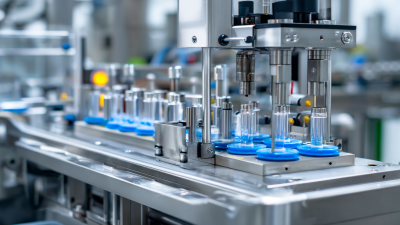
Implementing an automated production system can significantly enhance workflow and minimize the personnel required for operations. An effective micro blood collection tube machine can automate critical processes such as tube loading, dosing, capping, and packing. This integration not only speeds up production but also reduces the likelihood of human error, ensuring that each tube meets the stringent quality standards necessary for medical applications. By utilizing a one-piece production line, manufacturers can achieve a consistent output while maintaining high levels of efficiency.

Investing in advanced manufacturing technology is essential for any facility aiming to improve their micro blood collection tube production. By prioritizing automation and innovative solutions, manufacturers can not only enhance their operational capabilities but also contribute to better patient care through reliable and efficient blood sampling methods. Embracing these advancements will better position facilities to meet growing healthcare demands while ensuring the highest quality standards in their products.

FAQS

: What are the benefits of automated filter tube production?

: Automated production enhances quality and consistency. It minimizes variations and reduces human error.

How does automation improve product reliability?

Every filter tube undergoes identical processes, ensuring strict quality standards. This builds buyer trust.

Can automation reduce production waste?

Yes, automated systems can reduce waste by up to 30%. They optimize material usage throughout the process.

How does automation affect energy consumption?

Automation can decrease energy use by 25%. Smart technologies help optimize power during production.

What environmental benefits does automated production offer?

It can cut carbon emissions by 20%, promoting cleaner air and healthier environments.

Are there challenges associated with automated systems?

Yes, access to advanced technology can be unequal. This may create production capability disparities.

What skills are needed for workers in automated environments?

Workers may need training for new systems. Skills gaps can arise during the transition to automation.

What initial concerns should manufacturers consider?

Initial setup costs can be high. Manufacturers must weigh these concerns against long-term advantages.

How does automation impact resource management?

It contributes to better resource management by reducing material waste and promoting efficiency.

Can buyers expect uniform quality in automated production?

Yes, automation ensures each item meets high standards, providing uniform quality with every order.

Conclusion

Automated Filter Tube Production offers numerous advantages that significantly enhance the manufacturing process for buyers. One of the primary benefits is the reduction in production costs, which allows for more competitive pricing. Moreover, automation increases efficiency in the manufacturing process, leading to faster turnaround times and improved delivery schedules. This efficiency not only boosts operational productivity but also enhances product quality and consistency, as automated processes minimize human error.

Additionally, the integration of advanced technology in automated systems brings sustainability benefits, aligning with growing environmental concerns and market trends. As demand for automated filter tube solutions continues to rise, buyers can expect improved customer satisfaction resulting from timely delivery and superior product performance. Overall, the shift towards Automated Filter Tube Production represents a forward-thinking approach to meeting market needs while achieving higher operational standards.

Ava

Ava

Ava is a dedicated marketing professional at Shanghai IVEN Pharmatech Engineering Co., Ltd., equipped with extensive knowledge and expertise in the pharmaceutical machinery field. With a keen understanding of the company's diverse product offerings, including cutting-edge equipment for......
Previous Top 10 Vial Filling Machine Manufacturers to Consider?

Send your message to us:

Write your message here and send it to us