In today’s competitive world, optimizing Automated Filter Tube Production is a must for any manufacturing company. Take companies like CleanAir Solutions, for example — they’ve really seen how much of a difference efficient processes can make on their bottom line. By cutting down on waste and boosting productivity, they’re able to save a ton of money without sacrificing quality.
Automation definitely plays a big part here. It streamlines the whole production workflow and helps cut labor costs. But, honestly, it’s not just a set-it-and-forget-it kind of deal. Regular maintenance and calibration of those machines are super important — ignore that, and you risk more defects and higher rework costs, which no one wants.
Plus, understanding what the market actually needs is crucial. Companies need to stay flexible and tweak their production schedules on the fly to keep up with changing demands. Investing in employee training is just as critical — skilled staff really boost the efficiency of automated processes. Finding the right balance between automation and human expertise can really set the stage for long-term success.
Automated filter tube production involves several key processes that influence efficiency and cost. Precision engineering plays a major role in reducing waste. According to a recent industry report, automation can enhance production speed by up to 30%. This efficiency allows manufacturers to meet increased demand while cutting down labor costs.
Tips: Implement regular maintenance schedules for machinery to prevent breakdowns. Downtime can lead to significant cost spikes.
Material selection is another crucial aspect. High-quality materials may seem expensive upfront, but they can lead to longer-lasting products. A study from the Manufacturing Institute reveals that better materials can reduce defect rates by nearly 25%. Understanding the trade-offs between cost and quality is essential for maximizing profitability.
Tips: Train staff on proper handling techniques. Mismanagement can lead to material waste and increase operational costs.
Monitoring production metrics will uncover inefficiencies. Evaluating cycle times and output rates helps identify bottlenecks. A report from the International Journal of Production Research suggests that optimizing these metrics can improve overall productivity by 15% within six months. Regular analysis allows companies to make informed decisions for continuous improvement.
In filter tube manufacturing, identifying cost drivers is crucial for optimizing production. The materials used, energy consumption, and labor costs significantly impact overall expenses. Each component plays a role, often unnoticed until a thorough analysis is conducted. For example, switching to a more efficient polymer can reduce raw material costs. However, this may also require retooling machinery, which involves initial investment.
Energy consumption is another area often overlooked. Automated processes can lead to increased energy use, especially if equipment is not optimized. Monitoring these systems helps identify inefficiencies. Simple adjustments, like regular maintenance or evaluating energy sources, can drive savings. Implementing tracking systems to monitor energy use provides insight into high-consumption areas.
Labor costs can be reduced through automation, but this can lead to skill gaps. Workers may need training to manage advanced machinery effectively. An imbalance between automation and workforce capabilities can create inefficiencies, negating potential savings. Regular reviews and training programs ensure that the workforce stays aligned with technological advancements. These reflections highlight the importance of balancing automation with skilled labor in filter tube production.
| Cost Driver | Description | Impact on Costs (%) | Potential Savings (%) |
|---|---|---|---|
| Raw Materials | Cost of materials used for filter tube production | 30% | 10% |
| Labor Costs | Wages, benefits, and overhead for production staff | 25% | 15% |
| Machine Maintenance | Costs associated with maintaining and servicing production equipment | 20% | 5% |
| Energy Consumption | Electricity and fuel used during production | 15% | 10% |
| Waste Management | Disposal and handling of production waste materials | 10% | 5% |
Automation in filter tube production improves efficiency and reduces costs. This transformation requires a careful setup. Investing in modern technology streamlines the process. Machines automate repetitive tasks, freeing workers for more complex activities.
Tips: Conduct a thorough assessment of current workflows. Identify time-consuming tasks. Prioritize automating these areas for maximum impact.
Effective training for staff is crucial. Employees must understand new technologies. Their engagement influences overall performance. Regular feedback loops enhance the adaptation process, but not all implementations meet expectations. Some technology may not align with your specific needs.
Tips: Monitor performance metrics closely. Adjust strategies as necessary to improve outcomes. Embrace a culture of continuous improvement to foster innovation and efficiency.
When optimizing automated filter tube production, raw material selection is critical for cost savings. Choosing the right materials can significantly influence production efficiency and product quality. Often, manufacturers overlook the importance of sourcing materials that align with both budget and performance standards.
Tips: Assess your suppliers regularly. Build strong relationships to negotiate better prices. Look for materials that offer durability without compromising on quality.
Utilizing alternative materials might lead to cost reductions. However, testing these options is essential. In some cases, cheaper doesn't mean better. It might require additional processing or result in inconsistent quality. Analyze your production process thoroughly before making changes.
Tips: Experiment with small batches. Gather feedback from your production team. Ensure the alternatives perform as needed.
Balancing cost and quality is an ongoing challenge. Staying updated on industry trends can help in making informed decisions. Regular assessments of your material usage can also yield insights into unnecessary expenses. Reevaluate strategies and remain flexible to adapt when necessary.
In the production of automated filter tubes, enhancing quality control measures is crucial for minimizing waste. Recent studies indicate that nearly 30% of materials are wasted during production due to errors and inefficiencies. Implementing robust quality control can significantly lower this figure. Regular equipment maintenance and calibration are essential to ensure precision in manufacturing.
Data from industry reports show that companies investing in quality control see up to a 20% reduction in defects. This translates directly into fewer resources wasted on corrections. Utilizing real-time monitoring systems can also help catch discrepancies early. These systems identify issues before they escalate, safeguarding both material and labor resources.
However, achieving perfect quality control remains a challenge. Many manufacturers still struggle with maintaining consistent standards across product lines. In some cases, the methods used can inadvertently slow down production rates. This requires careful evaluation and adjustment of processes. By continually refining quality control measures, companies can optimize their production efficiency while minimizing waste.
In the pursuit of cost savings, the role of data analytics in optimizing automated filter tube production cannot be overstated. According to a report by McKinsey, factories that leverage advanced analytics can reduce operational costs by up to 20%. This kind of transformation often starts with data gathering from the production floor. Sensors track machine performance, identifying inefficiencies that can inflate costs.
Understanding machine data is crucial. For example, a study from Deloitte highlights that predictive maintenance can reduce downtime by 50%. Analyzing patterns in production data allows manufacturers to anticipate machine failures. However, many companies still struggle with data literacy among employees. Ensuring that teams can effectively analyze data is key to unlocking its potential.
Another point worth considering is the importance of real-time monitoring. The Boston Consulting Group found that real-time analytics can improve production efficiency by 15%. Yet, some organizations still rely on outdated reporting methods. The challenge lies in integrating modern data analytics tools with existing production systems. This gap can hinder the overall optimization process. Addressing these issues is essential for achieving meaningful cost savings in automated filter tube production.
Lean manufacturing techniques play a crucial role in optimizing automated filter tube production. Streamlining operations can lead to substantial cost savings. In 2022, a survey revealed that 68% of manufacturers reported improved efficiency after adopting lean methods. Reducing waste and enhancing productivity are key areas of focus.
One effective technique is value stream mapping. This process identifies bottlenecks within production lines. By analyzing these areas, manufacturers can implement changes to reduce cycle time. For instance, a case study showed a company that reduced setup time by 30% after restructuring its workflow. This restructuring led to significant savings in both labor and material costs. Implementing just-in-time inventory practices also minimizes excess stock, which can tie up cash flow.
However, adopting lean practices is not without challenges. Organizations may face resistance from employees accustomed to traditional methods. Training and commitment are essential. Additionally, continuous improvement involves regular assessments of processes. Without these, the initial gains from lean implementations could diminish over time, leading to inefficiencies. Regular audits can help maintain lean gains and promote a culture of ongoing improvement.
The innovative micro blood collection tube has revolutionized the way healthcare professionals collect blood samples, particularly in neonates and pediatric patients. These tubes facilitate easy blood collection from the fingertip, earlobe, or heel, making the process less traumatic for young patients and their caregivers. In response to the increasing demand for efficient and effective blood collection methods, advanced manufacturing solutions are crucial in ensuring a steady supply of these essential tools.
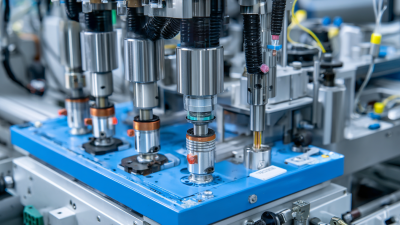
The adoption of an automated production line specifically designed for micro blood collection tubes streamlines the entire manufacturing process. By integrating operations such as tube loading, dosing, capping, and packing into a single system, facilities can significantly enhance their workflow. This automation not only minimizes the need for extensive personnel involvement but also reduces the likelihood of human error, thereby ensuring high-quality production.
The comprehensive overview of efficient micro blood collection tube production highlights the significant advancements in medical manufacturing technology. By embracing these innovative solutions, healthcare facilities can improve their operational efficiency and better meet the needs of their patients, leading to improved care and outcomes in pediatric and neonatal populations.
: Automation improves efficiency and reduces costs by handling repetitive tasks. Workers can focus on complex activities instead.
Assess current workflows to identify time-consuming tasks. Prioritize these areas for the best impact on efficiency.
Effective training helps employees understand new technologies. Their engagement significantly influences overall performance and adaptation.
Closely monitor performance metrics and adjust strategies as needed. This helps improve outcomes and aligns with your goals.
Selecting the right materials affects both cost and quality. Align your choices with budget while ensuring product performance.
Not necessarily. Cheaper options might require more processing or lead to inconsistent quality. Test before fully switching.
Maintaining consistent standards is often a challenge, which can slow down production rates. Regular evaluation is essential.
Robust quality control can lower material waste by detecting issues early, which helps protect resources and minimize defects.
Yes, regular assessments help build strong relationships and negotiate better prices, ensuring the best materials for production.
Embracing a culture of continuous improvement fosters innovation and efficiency, helping to optimize processes over time.
Optimizing Automated Filter Tube Production is crucial for enhancing efficiency and reducing costs in manufacturing. This process starts with a thorough understanding of production processes and identifying cost drivers that significantly impact profitability. By implementing advanced process automation, manufacturers can achieve significant efficiency gains, while careful selection of raw materials can lead to substantial cost reductions. Additionally, enhancing quality control measures is vital in minimizing waste and ensuring product reliability.
The integration of data analytics is essential for ongoing production optimization, enabling manufacturers to make informed decisions based on real-time insights. Exploring lean manufacturing techniques further contributes to cost savings by eliminating waste and streamlining operations. Together, these strategies form a comprehensive approach to refining Automated Filter Tube Production, positioning manufacturers for better competitiveness in the market.