


Choosing the right vial filling equipment isn't just a minor detail — it's actually a pretty big deal for pharmaceutical and cosmetic companies. The right gear can make all the difference when it comes to accuracy, speed, and sticking to industry rules. That said, with so many options out there, finding the perfect fit can be a bit overwhelming. Sometimes it feels like a real maze!
First off, you’ve gotta get a clear picture of what you really need. Think about how much you’re producing, what kind of liquids you're dealing with, and the sizes of your vials. These things all matter a lot. For example, filling thick, viscous liquids often requires different equipment than with thinner, more straightforward liquids. Picking the right machine isn’t just about quality — it also impacts how smoothly your business runs day-to-day.
And don’t forget to check out how reliable the supplier is and what kind of support they offer. Companies like ABC Packaging are well-known because they back up their products with solid resources and deep expertise, which is super helpful. But sometimes, folks overlook how important proper training and ongoing maintenance really are. Skipping these steps might seem harmless at first, but it can lead to a ton of headaches — like downtime or quality hiccups — down the line. So, take a moment to think through all these factors before settling on your vial filling setup. Trust me, it’ll save you a lot of trouble in the long run.

Understanding the Basics of Vial Filling Equipment

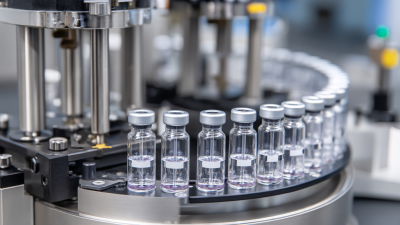
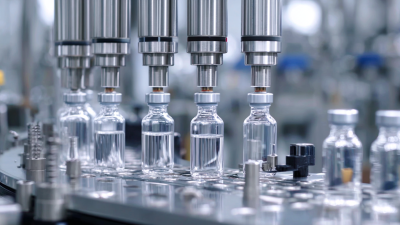
Vial filling equipment plays a crucial role in pharmaceutical and biotech industries. Understanding its operation helps ensure your production line runs smoothly. These machines automate the filling process, increasing efficiency. There are many types available, from manual to fully automated systems. Each has its pros and cons.
The size and types of vials significantly impact the choice of equipment. Some machines can fill various vial sizes, while others are specialized for specific formats. Consider the volume you need to fill regularly. Equipment that works efficiently for small batches may struggle with larger quantities, leading to inefficiencies.
Maintenance is another consideration. Regular checks ensure optimal performance and minimize downtime. Operators often overlook this aspect, which can lead to costly repairs. Investing in staff training can improve handling and prolong the equipment's lifespan. Balancing speed and precision is essential; sometimes, faster doesn't mean better. Evaluating your specific needs will guide you in choosing the right equipment for your operation.
Innovative Ultrafiltration and Detoxification Filtration Solutions for Enhanced Water Quality and Health Benefits
Innovative ultrafiltration and detoxification technologies play a crucial role in enhancing water quality and ensuring health benefits for consumers. These advanced filtration solutions are designed to eliminate contaminants, including pathogens, toxins, and other harmful substances, providing users with safer and higher-quality water. By utilizing sophisticated membrane technology, these systems effectively separate impurities from water, ensuring that the final output meets stringent health and safety standards.
In the realm of biopharmaceutical applications, engineering solutions that focus on membrane technology have become indispensable. Ultrafiltration systems, coupled with deep layer filtration and virus removal capabilities, exemplify the advancements made in this field. These innovative solutions not only enhance the purity of water used in critical processes but also improve the overall efficiency of water management systems. With the growing demand for clean water and safe processes, investing in the right filtration technology is essential for industries seeking to comply with health regulations while offering superior water quality to their consumers.

FAQS
: Start by evaluating your daily production volume. This will guide your machine selection.
A manual or semi-automatic system may benefit smaller operations effectively.
Different liquids require specific handling. Viscous or particulate-filled products need specialized equipment.
Investing in scalable machines can save money as production demands grow over time.
Look for speed, accuracy, user-friendly controls, and adjustable settings to meet production needs.
Compliance affects worker safety and product quality, guiding your equipment selection to meet industry standards.
Audits reveal areas for improvement, helping ensure your equipment meets current standards.
Timely servicing avoids production downtime, ensuring efficiency and effectiveness in operations.
Yes, reassessing your current layout can lead to better decisions regarding new equipment purchases.
Poor designs might increase contamination risks and lead to compliance issues.
Conclusion
When choosing the best vial filling equipment for your needs, it's essential to start by understanding the basic functions and features of these machines. Assessing your production requirements—such as volume, speed, and product type—will guide you toward the most suitable equipment. There are various types of vial filling equipment available, including manual, semi-automatic, and fully automatic systems, each offering different advantages based on production scale.
Key features to consider include the accuracy of filling, ease of use, and flexibility for different vial sizes. Budget considerations are also crucial; selecting cost-efficient solutions can significantly impact your overall production costs. Additionally, ensuring compliance with industry standards and regulations is vital for maintaining product quality and safety. Finally, consider the maintenance and support options available for the vial filling equipment, as this can affect long-term operational efficiency. By focusing on these factors, you can make an informed decision that aligns with your production goals.
Related Posts
-
Ultimate Checklist for Selecting the Right Vial Filling Equipment
-
Advantages of Using the Best Bosch Vial Filling Machine for Your Production Efficiency
-

How to Select the Best Vial Filling Line for Your Business?
-

Top 10 Vial Filling Equipment Solutions for Your Business Needs?
-

How to Choose the Right Vial Filling Equipment for Your Needs?
-

2025 Top 5 Pharmaceutical Liquid Filling Machines You Can't Miss
