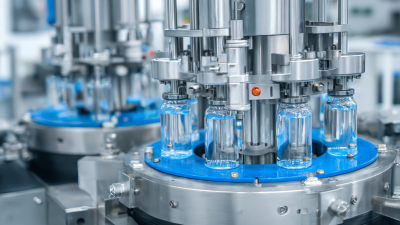
Picking out the right liquid filling machine can honestly feel pretty overwhelming. I mean, there are so many options out there, and it’s easy to get lost in the details. John Smith from FillTech Solutions, a real industry pro, puts it simply: “Choosing a machine that actually fits what you need is key to keeping things efficient and accurate.” The tricky part? Knowing exactly what you’re after. From basic gravity fillers to complex automated setups, the choices are pretty broad.
You’ve gotta think about stuff like what kind of liquid you're filling, how thick it is, and how fast you need to produce. One mistake folks often make? Forgetting about maintenance. Not every machine is a breeze to service, and skipping that can lead to headaches down the road. Plus, it’s tempting to go for the cheapest option, but sometimes that means sacrificing quality or ending up with something that doesn’t really match your needs.
In today’s fast-changing market, making smart decisions about your filling machines is more important than ever. A wrong choice can end up costing you in the long run, messing with your production flow and maybe even customer satisfaction. It really pays to chat with experts and get a clear picture of what suits your specific situation. Honestly, finding the right equipment takes some careful thought, but it can make all the difference in how smoothly things run and how successful your business becomes.
When choosing a liquid filling machine, understanding the different types and their applications is crucial. There are various machines, including gravity fillers, piston fillers, and pump fillers. Each type serves specific purposes and works best with certain liquid viscosities. Gravity fillers are often used for free-flowing liquids. They are simple to use and maintain. Piston fillers, on the other hand, can handle thicker liquids. These machines offer precision but may require more calibration.
In industries like food and pharmaceuticals, liquid filling machines must meet specific standards. Hygienic design is vital, particularly for food products. In pharmaceutical applications, accuracy in dosage is paramount. It’s essential to evaluate the machine's capabilities based on your product's requirements.
Even with advanced technology, challenges can arise. A machine may not perform as expected initially. Operators need to ensure proper training and maintenance to avoid frequent breakdowns. Experimentation might be necessary to find the ideal settings for optimal performance. Recognizing these issues helps in making informed decisions and improvements over time.
When selecting a liquid filling machine, understanding key factors is crucial. This ensures efficiency and effectiveness in production processes. One important consideration is the type of liquid being filled. Viscous liquids require different technologies compared to thin liquids. Evaluating the viscosity allows you to choose the correct machine for your needs.
Another essential tip is to assess the filling speed. High-speed machines are ideal for large production runs. However, if your volumes are low, slower machines might suffice. It’s vital to strike a balance between speed and accuracy. Filling inaccuracies can lead to waste and affect your bottom line.
The construction material of the machine is also significant. Machines made from stainless steel are easier to clean and more durable. They also conform to health standards in various industries. Always consider the volume of production when choosing the right machine. Oversized machines can be an unnecessary expense, while undersized machines may lead to production bottlenecks.
When selecting a liquid filling machine, understanding production capacity and speed is crucial. The first step is to assess your current and future output needs. An ideal machine should align with your production goals. Consider whether your plant will expand in the coming years. It is essential to plan for potential growth to avoid frequent equipment changes.
Speed is another critical factor. Machines vary in how quickly they can fill containers. A unit that meets your speed requirement helps maintain workflow efficiency. However, balancing speed with accuracy is vital. High speed can lead to inconsistencies if not adequately managed. Testing your chosen machine under real production conditions can reveal insights.
In practice, assessing both capacity and speed involves trial and error. You might find that initial assumptions do not match actual performance. Observing production during peak times can highlight potential challenges. It’s essential to adapt and remain flexible in your approach to ensure that the filling machine meets ongoing demands effectively.
| Filling Machine Type | Production Capacity (Bottles per Hour) | Fill Accuracy (%) | Required Speed (Bottles per Minute) | Ideal Application |
|---|---|---|---|---|
| Semi-Automatic Filling Machine | 500 | ±1% | 8 | Small Scale Production |
| Fully Automatic Filling Machine | 2000 | ±0.5% | 33.33 | High Volume Production |
| Piston Filling Machine | 1500 | ±1% | 25 | Viscous Liquids |
| Gravity Filling Machine | 1200 | ±2% | 20 | Water-based Liquids |
When choosing a liquid filling machine, accuracy and precision are critical. Accuracy refers to how close the filled volume is to the target. Precision measures the consistency of fills across multiple cycles. These factors greatly influence product quality, customer satisfaction, and operational efficiency.
A high-quality filling machine should maintain tight tolerances. Over time, slight inaccuracies may creep in. Regular calibration is necessary to ensure consistent performance. Operators should monitor fills closely and adjust machinery as needed. A filling machine that offers easy calibration options can save time and reduce errors. Also, look at the design of the filling system. Systems that allow for quick cleanouts can reduce downtime and improve accuracy.
Investing in training for operators is essential. Inexperienced staff may not recognize deviations in fill accuracy. A lack of attention to detail can lead to significant losses. Encourage open communication about observed issues during filling processes. Continuous monitoring will help identify trends. Ultimately, maintaining a focus on accuracy and precision leads to reliability in production.
When selecting a liquid filling machine, material compatibility is a crucial factor. Each material interacts differently with various liquids. A study by the Association of Packaging and Processing Technologies reported that 65% of filling line failures were due to material incompatibility. Understanding the chemical properties of both the liquid and the machine can prevent costly downtime.
Selecting the right materials helps ensure safe operations. For instance, corrosive liquids require machines made from resistant materials like stainless steel or specialized polymers. Inappropriate material choices can lead to contamination or machine damage. The Food and Drug Administration emphasizes the importance of material safety in food and pharmaceutical packaging to ensure consumer protection.
Testing compatibility with small batches is beneficial. This approach minimizes waste and identifies potential issues early. Many manufacturers recommend running initial trials to evaluate how different materials interact. Possible reactions may not be apparent until the liquid is subjected to extended periods of contact with machine components. Seeking expert advice can further enhance decision-making.
When exploring automation options for liquid filling machines, understanding the technology is crucial. Automated machines increase efficiency and reduce manual labor. However, choosing the right system requires careful consideration. For example, some machines use advanced sensors for accuracy. Others rely on timers and volume settings. Each method has its pros and cons.
Take a moment to evaluate your production needs. High-demand operations benefit from fully automated systems that integrate with supply chains. However, smaller businesses may find semi-automated options more suitable. These systems balance efficiency and budget restraints. It's essential to weigh speed against flexibility.
Moreover, consider software compatibility. Some machines offer advanced control systems that allow for real-time adjustments. This adaptability can be a game-changer. Yet, not all systems are user-friendly. Training staff on new technology can be a challenge. Reflecting on these points will help in making an informed decision.
When considering the cost of liquid filling machines, it’s essential to conduct thorough research. Prices can vary significantly based on features and capacity. A basic machine may cost less upfront, but it might lack the efficiency you desire. Long-term savings should be a priority. Higher initial investment often leads to better efficiency and reduced maintenance expenses over time.
Maintenance is another critical aspect. Regular servicing can prevent costly breakdowns. It’s advisable to set aside a budget for repairs and spare parts. Establishing a routine maintenance schedule ensures optimal performance. This minimizes production disruptions. Consider the availability of support and assistance from the manufacturer. It can be frustrating if help is not readily available when an issue arises.
Investing in quality often pays off. However, it’s important to remain realistic about your needs. Sometimes, what seems like an economical choice can result in unforeseen expenses later. Weighing your options requires careful planning. Understanding long-term implications is key. Tracking costs associated with ownership can illuminate the best path forward.
The production of IV solutions packaged in PP bottles requires a highly efficient and quality-oriented process. The automatic PP bottle IV solution production line represents a crucial advancement in this field, comprising three integral pieces of equipment: the Preform/Hanger Injection machine, the Bottle Blowing machine, and the Washing-Filling-Sealing machine. This streamlined setup is designed to optimize both productivity and the quality of the final product, ensuring that healthcare providers receive reliable and high-standard solutions.
Key features of this production line include its automation, which minimizes human intervention while enhancing safety and efficiency. The system is designed to be user-friendly and intelligent, allowing operators to monitor performance easily. Additionally, the equipment is engineered for stable operation and quick maintenance, which reduces downtime and operational costs. This balance of high production efficiency and low cost makes it an ideal option for manufacturers looking to deliver quality IV solution plastic bottles consistently, ensuring that patients receive the best possible care.
: Common types include gravity fillers, piston fillers, and pump fillers. Each suits specific liquid viscosities.
Gravity fillers work well with free-flowing liquids. They are user-friendly and easy to maintain.
No, piston fillers excel with thicker liquids, offering precision but requiring more calibration.
Hygienic designs are crucial for food products and pharmaceuticals to ensure safety and compliance.
Regular calibration and monitoring are vital. Adjustments may be necessary to address any inaccuracies.
Machines may not perform well initially. Training and maintenance are key to preventing frequent breakdowns.
Well-trained operators can recognize deviations in fill accuracy. Inattention to detail can lead to major losses.
Open communication helps address observed issues. It promotes improvement and maintains filling process standards.
Machines that offer quick calibration can save time and reduce errors, ensuring consistent operation.
Over time, inaccuracies may develop, impacting product quality and customer satisfaction. Regular checks are vital.
When choosing the right Liquid Filling Machine, understanding the various types and their applications is crucial. Different machines cater to specific filling needs, whether for liquids like water, oils, or more viscous substances. Key considerations include assessing production capacity and speed requirements, ensuring the machine can meet your operational demands without compromising efficiency.
Accuracy and precision are vital in the filling process, as any discrepancies can lead to significant losses. Additionally, material compatibility should not be overlooked—it's essential to ensure that the machine is suitable for the liquids being filled, maintaining safety and effectiveness. Exploring automation options can enhance productivity, while budgeting for both the initial costs and ongoing maintenance will ensure a sustainable investment in your liquid filling operations.