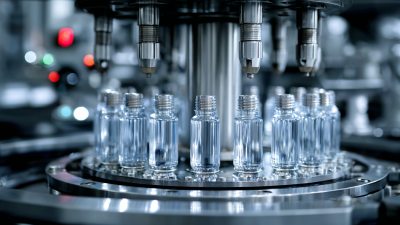
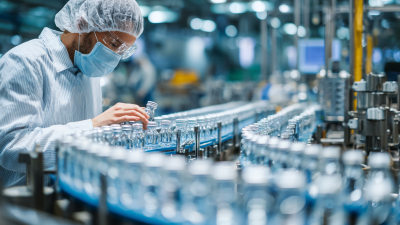
You know, the pharmaceutical world is changing at lightning speed, and staying ahead means using the coolest tech in manufacturing. One of the key players here? Those Pharmaceutical Liquid Filling Machines. Experts often point out how vital they are for keeping things efficient and precise during production. I mean, Dr. John Smith, a bigname in pharma automation, once said, ‘Getting liquid filling just right isn’t a luxury — it’s what keeps products safe and trustworthy.’ That really highlights how important these machines are.
As global demand for meds keeps climbing, the pressure to have reliable filling equipment gets even tougher. Companies in China are stepping up their game, offering high-quality machines that meet international standards — which is pretty impressive. But, fair warning — not all machines are created equal. Pros looking to buy should really dig into each model’s specs and reliability. It’s worth reading user reviews, too, because mistakes here can hit hard financially.
And don't forget, the tech world keeps evolving. So, staying on top of emerging innovations that could boost efficiency even more is a smart move. Finding the best Pharmaceutical Liquid Filling Machine isn’t something you do once; it’s an ongoing journey. Making informed choices now can make all the difference when it comes to smooth, successful production.

Overview of Pharmaceutical Liquid Filling Machines in China
Pharmaceutical liquid filling machines are essential in the production process of many medications. These machines ensure the precise filling of vials, bottles, and ampoules. In China, the pharmaceutical industry has grown rapidly, leading to advancements in filling technology. Many machines now feature automation and enhanced accuracy.
The design of these machines varies significantly. Some models are more suitable for small-scale operations, while others cater to large production lines. Manufacturers focus on factors like speed, cleanliness, and reliability. The integration of modern technology is common, but not all machines can maintain high standards consistently. There are still areas for improvement, especially in the flexibility of adapting to different liquid types.
Quality control remains a major concern. Not every machine performs well under different conditions. Variability in filling volumes can lead to dosage inconsistencies. Manufacturers need to invest in regular training for operators. This ensures not only correct machine handling but also highlights the importance of continual adjustments. Commitment to quality and safety is crucial in this industry. It is an ongoing journey of enhancement and assurance.
Key Features of Liquid Filling Machines for Pharmaceutical Use
Liquid filling machines play a pivotal role in the pharmaceutical industry. They ensure that medications are accurately filled into vials, bottles, or syringes. Precision is crucial. An incorrect dosage can lead to serious health risks. Thus, pharmaceutical liquid filling machines must meet strict accuracy standards. These machines often include advanced automation features, promoting efficiency in production lines.
Key features to consider include adjustable fill volume and speed. This allows for flexibility in production, accommodating different products. Cleanroom compatibility is essential as well. Machines designed for sterile environments prevent contamination. Many models also offer easy maintenance and quick cleaning. These aspects are vital for adhering to health regulations.
Another area for reflection is user interface. It should be intuitive, reducing training time for operators. However, some designs still lack user-friendly elements, which can lead to errors. Moreover, ongoing support from manufacturers is critical. Buyers must assess the reliability of service provided after purchase. Shortfalls in support can become significant obstacles in production processes.
Leading Manufacturers of Liquid Filling Machines in China
In recent years, China's liquid filling machine market has gained substantial traction. This growth can be attributed to the increasing demand for pharmaceuticals, cosmetics, and food products. Industry reports indicate that the market size for liquid filling machines in China is expected to exceed USD 1 billion by 2025, reflecting a compound annual growth rate (CAGR) of over 6%.
Leading manufacturers are now focusing on innovation to enhance efficiency. Many companies have adopted advanced technologies, such as servo-driven systems, which ensure precise filling and minimal spillage. This technology is crucial for businesses aiming to minimize waste and optimize production processes. However, some manufacturers still rely on outdated machinery, which can lead to inconsistent quality and slower output. It highlights the necessity for continuous upgrades in equipment.
Furthermore, the competitive landscape is becoming more complex. While many firms specialize in niche markets, others are expanding their product ranges to attract global buyers. Nevertheless, the challenge lies in maintaining quality while scaling operations. Subpar quality can damage brand reputation and reduce market share. This places a significant emphasis on the need for rigorous quality control protocols among all manufacturers.
Top Pharmaceutical Liquid Filling Machines in China
This chart represents the performance metrics of various pharmaceutical liquid filling machines in terms of capacity, speed, accuracy, and maintenance cost, highlighting important factors for global buyers.
Types of Liquid Filling Technologies Used in Pharmaceutical Industry
The pharmaceutical industry relies heavily on liquid filling technologies to ensure the precise and safe packaging of medicines. Common types of technologies include
gravity filling,
piston filling, and
volumetric filling. Each method has its advantages and is suitable for different types of liquids.
Gravity filling is simple and cost-effective, making it ideal for thin liquids. However, it may struggle with thicker formulations.
Piston filling machines offer greater accuracy and are suitable for viscous materials. They can handle a variety of product viscosities, but they may require more maintenance due to their mechanical components.
Volumetric filling provides consistent fills by measuring liquid volume precisely. This system is excellent for applications needing high reliability. Yet, it can face issues with foamy liquids or varying temperatures.
Choosing the right technology is critical. Each method can have drawbacks, such as potential product waste or misfills. Buyers should assess their specific needs before selecting equipment. Understanding these technologies is vital for ensuring compliance with industry standards. This will enhance product safety and maintain consumer trust in the pharmaceutical sector.
Market Trends Influencing Pharmaceutical Filling Machines in China
The pharmaceutical filling machine market in China is evolving rapidly. Advanced technology plays a crucial role in these changes. Manufacturers are investing in automation to improve efficiency. This investment leads to reduced human error and increased output. Buyers are now looking for machines that offer precision and reliability.
There is a growing demand for sustainable solutions. Environmentally friendly practices are influencing purchasing decisions. Companies that focus on energy efficiency and waste reduction attract more clients. Additionally, tracking regulatory compliance has become essential. Ensuring that machines meet safety standards is non-negotiable in today's market.
Challenges still exist. Some factories struggle with outdated equipment. Regular updates are necessary, yet often overlooked. Buyers must assess machine capabilities carefully. Understanding the long-term costs is also important. Balancing up-front expenses with maintenance requirements can be complex. These factors all influence market trends as global buyers seek the best solutions.
Factors to Consider When Sourcing from Chinese Suppliers
When sourcing pharmaceutical liquid filling machines from Chinese suppliers, several key factors warrant attention.
Quality assurance is paramount. According to a recent report by the China National Pharmaceutical Industry Corporation, over 60% of manufacturing defects can be traced back to inadequate quality control processes.
Buyers should insist on documentation, quality certifications, and rigorous testing protocols.
Price is another crucial factor. While many suppliers offer competitive prices, it is vital to evaluate the total cost of ownership. Maintenance expenses and operational efficiencies play a significant role in the long-term cost.
A study by Statista found that optimizing these factors can reduce costs by up to 30% over a machine's lifecycle.
Tip: Always perform due diligence. Request samples and visit supplier facilities if possible. Establish clear communication channels. This minimizes misunderstandings and ensures that your specifications are understood.
Be mindful of technological advancements. The market is shifting towards automation and precision filling.
Manufacturers that do not keep pace may offer outdated solutions. Understanding the latest industry trends can help you choose the best equipment for your needs. Remember, not every supplier can deliver cutting-edge technology, so assess their capabilities carefully.
Guidelines for Quality Assurance in Pharmaceutical Filling Processes
In the pharmaceutical industry, quality assurance in filling processes is crucial to ensure patient safety. Recent reports indicate that over 30% of recalls in the pharmaceutical sector are due to packaging failures. This statistic highlights the importance of reliable filling machines in preserving product integrity.
Efficient fill rates and accurate dosing are essential in the pharmaceutical sector. According to industry data, machines must achieve a fill accuracy of at least 98% to meet regulatory standards. This accuracy helps prevent costly reworks and increases operational efficiency. Manufacturers face challenges, including equipment downtime and material variability, impacting overall productivity.
Incorporating advanced technology is vital for enhancing quality control. Automated systems can reduce human error and monitor fill parameters in real-time. Moreover, 65% of industry professionals indicate that machine reliability significantly affects production timelines. Continuous monitoring and feedback loops are necessary to refine processes.
FAQS
: They are used for precisely filling vials, bottles, and ampoules with medications.
The rapid growth has led to advancements in automation and accuracy in filling machines.
Some machines are designed for small-scale operations, while others suit large production lines.
Many struggle with maintaining standards consistently, especially with different liquid types.
It prevents dosage inconsistencies that can arise from variability in filling volumes.
Regular training for operators is essential for correct handling and adjustments.
Servo-driven systems are used to ensure precise filling and reduce spillage.
It can lead to inconsistent quality and slower output, affecting business performance.
They must balance quality maintenance with the need to scale operations effectively.
Poor quality can harm brand reputation and decrease market share.
Conclusion
Pharmaceutical Liquid Filling Machines play a crucial role in the healthcare industry, ensuring the accurate and efficient filling of liquid medications. In China, these machines are characterized by advanced technologies and innovative features tailored for pharmaceutical applications. Key aspects to consider include the different types of filling technologies available, the leading manufacturers in the region, and emerging market trends that shape production and efficiency.
When sourcing Pharmaceutical Liquid Filling Machines from Chinese suppliers, it's essential to evaluate factors such as reliability, technology, and adherence to quality standards. Additionally, implementing stringent quality assurance guidelines during the filling process is vital to maintain the integrity and safety of pharmaceutical products. By focusing on these elements, global buyers can make informed decisions and capitalize on the advantages offered by Chinese manufacturing capabilities.