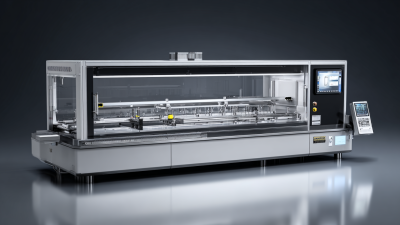
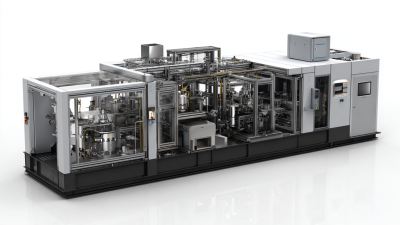
In the fast-changing world of food and pharma, making sure products stay sterile is honestly a top priority. That's where Aseptic Capping Machines come into play—they're pretty much essential. I mean, Dr. Emily Carter from SteriPack Technologies, a real expert in the field, once said, ‘Getting the right aseptic capping solution is key to keeping your product safe and intact.’ Her words really drive home how crucial it is to pick the right machinery, especially for buyers around the globe.
These machines are designed to seal up containers while ensuring they stay contamination-free. They're especially important for stuff like vaccines and liquid foods. A good quality capping machine isn’t just about keeping things sterile; it also means smoother, more efficient production lines. But, honestly, choosing the right one isn’t always a walk in the park.
There are a bunch of things to consider—performance, how easy it is to maintain, costs, and more. Finding that sweet spot can be tricky. Some machines might not do enough to prevent contamination, or they might end up costing a fortune to keep running. So yeah, it’s all about doing your homework. With a bit of research, global buyers can zero in on the best fit for their specific needs—that’s the key takeaway.

Overview of Aseptic Capping Machines
Aseptic capping machines play a crucial role in the food and beverage industry. They ensure products remain sterile during the bottling process. According to a recent industry report, the global aseptic packaging market is projected to reach approximately $65 billion by 2027. This growth drives innovation in aseptic capping technology.
Modern aseptic capping machines incorporate advanced technologies like statistical process control and automated inspection systems. These features enhance efficiency and reduce human error. For instance, a 2022 study found that machines with automated capping adjustments can improve output by 15%. Users have noted the challenges in maintaining consistent pressure levels during operation. Even minor fluctuations can compromise product integrity.
Moreover, the design of these machines must adapt to diverse container shapes. Each design presents unique hurdles. Addressing these issues requires expertise and ongoing research. It’s essential for manufacturers to find a balance between speed and quality. As the industry evolves, staying informed about these innovations is key for buyers.
Importance of Aseptic Capping in Packaging
Aseptic capping plays a crucial role in the packaging industry, particularly for products that require long shelf life without preservatives. Keeping products sterile is essential for consumer safety and product quality. According to a recent market analysis, the demand for aseptic packaging is projected to grow at a CAGR of 10% from 2023 to 2030. This growth highlights the importance of adopting effective aseptic capping solutions.
One of the key challenges in aseptic capping is ensuring that containers are correctly sealed without compromising sterility. Even a minor lapse can lead to contamination, impacting the product's safety. Reports indicate that improper sealing contributes to a significant percentage of product spoilage in the food and beverage sector. Manufacturers must utilize machines that deliver consistent results to minimize these risks.
Tips: Regular maintenance of capping machines is essential. Schedule routine check-ups to ensure optimal performance. Furthermore, train operators on best practices for handling equipment. This training can improve efficiency and reduce the likelihood of human error.
Emerging technologies, such as advanced sensors and automation, are enhancing aseptic capping processes. However, many companies still rely on outdated machinery, creating a gap in efficiency. Continuous investment in modern systems will be vital to meet growing market demands.
Key Features to Consider in Aseptic Capping Machines
When selecting aseptic capping machines, buyers should consider several key features. The efficiency of a machine, often measured in caps per minute, is crucial for high-volume production. Some machines can handle up to 600 caps per minute, significantly improving output. It's essential to assess the machine's reliability in maintaining sterile conditions throughout the capping process, reducing contamination risks.
Another factor is the adaptability of the machine. It should cater to various container types and sizes without extensive reconfiguration. Machines with adjustable torque settings can securely seal different materials, ensuring product integrity. According to industry reports, flexible machinery can increase production efficiency by 20% due to reduced downtime.
Tip: Always check for certifications that confirm the machine meets regulatory standards. This ensures the equipment is reliable and compliant with safety requirements.
User interface is often overlooked. A user-friendly control panel allows for easy operation and troubleshooting. This feature can enhance training efficiency for staff, reducing potential errors during operation. Data analytics capabilities in modern machines can provide insights for continuous improvement, helping manufacturers refine their processes.
Tip: Regular maintenance is essential. Schedule routine checks to ensure optimal performance and longevity of the machine.
Top Manufacturers of Aseptic Capping Machines Worldwide
Aseptic capping machines play a crucial role in the packaging of sterile products. They preserve the integrity of items like pharmaceuticals, beverages, and foods. As the demand for these products increases globally, the need for reliable aseptic capping technology intensifies. Several manufacturers stand out in the market, specializing in innovation and quality.
When evaluating equipment, it's essential to look for reliable features. A machine should have precise capping mechanisms. This ensures all containers are sealed accurately. Quality control systems can help maintain compliance with safety standards. Manufacturers that focus on continuous improvement often produce the most dependable machines.
Tips for selection: Look for machines with adjustable settings to fit various container sizes. Check for user-friendly interfaces to ease operation. Additionally, consider after-sale support and maintenance services. This can save time and reduce downtime in production.
It's common for buyers to overlook specific features during evaluation. Some might focus solely on price, missing vital aspects like durability or energy efficiency. Understanding these elements can lead to better investment choices. Always weigh the pros and cons when selecting equipment.
Top 10 Aseptic Capping Machines for Global Buyers
| Rank |
Machine Type |
Production Capacity (bpm) |
Capping Method |
Material Compatibility |
Features |
| 1 |
Rotary Aseptic Capping Machine |
500 |
Screw Capping |
Glass, Plastic |
Automated, High Precision |
| 2 |
Inline Aseptic Capping Machine |
300 |
Snap Capping |
Plastic, Metal |
Compact Design, Easy Maintenance |
| 3 |
Automatic Aseptic Capping Machine |
600 |
Pressure Capping |
Glass |
High Throughput, User-Friendly |
| 4 |
Tabletop Aseptic Capping Machine |
100 |
Twist Capping |
Plastic |
Space-Saving, Manual Operation |
| 5 |
Semi-Automatic Aseptic Capping Machine |
200 |
Rotary Capping |
Glass, Metal |
Flexible, Cost-Effective |
| 6 |
High-Speed Aseptic Capping Machine |
1000 |
Screw Capping |
Plastic |
High Efficiency, Advanced Controls |
| 7 |
Multi-Head Aseptic Capping Machine |
750 |
Snap Capping |
Glass, Plastic |
Versatile, High Performance |
| 8 |
Vertical Aseptic Capping Machine |
300 |
Pressure Capping |
Plastic |
Compact, Easy to Operate |
| 9 |
Horizontal Aseptic Capping Machine |
400 |
Twist Capping |
Glass, Metal |
Efficient, User-Friendly |
| 10 |
Custom-Aseptic Capping Machine |
Variable |
Custom Capping |
Various |
Tailored Solutions, Flexible Configurations |
Comparative Analysis of Leading Aseptic Capping Models
Aseptic capping machines are essential for ensuring product safety in the pharmaceutical and food industries. These machines apply caps in a sterile environment, preventing contamination during the sealing process. Leading models vary in design and technology, catering to diverse industry needs.
When analyzing aseptic capping models, consider their operational speed. Some machines can cap thousands of bottles per hour, while others focus on precision and quality over quantity. Check the machine's compatibility with different container shapes and sizes. Flexibility can save costs and time for manufacturers.
Tips: Inspect the machine’s maintenance requirements. Regular maintenance ensures consistent performance. Evaluate user feedback for real-world insights into reliability. Also, consider energy efficiency; it reduces operational costs over time. A well-rounded analysis should highlight both strengths and potential limitations. Consider how easy it is to train staff on the machine. User-friendly designs can significantly impact overall productivity.
Trends in Aseptic Capping Technology
Aseptic capping technology is constantly evolving. This evolution is driven by the need for higher efficiency and better product safety. In recent years, manufacturers have focused on reducing contamination risks during packaging. This is crucial in industries like pharmaceuticals and food processing.
One emerging trend is the integration of IoT and automation. These technologies enable real-time monitoring of the capping process. This can enhance precision and reduce human error. However, the implementation of such systems can be costly. Smaller companies may struggle to adopt these advanced solutions effectively.
Another key trend is the emphasis on sustainability. Manufacturers are exploring eco-friendly materials for caps and packaging. This shift is vital as environmental concerns grow among consumers. Yet, balancing sustainability with the durability and safety of products poses challenges. The industry must find ways to meet these demands without compromising quality.
Future Prospects for the Aseptic Capping Machine Market
The future prospects for the aseptic capping machine market look promising. With the ongoing demand for safe and hygienic packaging in the pharmaceutical and food industries, manufacturers are focusing on innovation. Advances in technology are making these machines more efficient and reliable. Integrated systems that automate the capping process are increasingly becoming the norm.
It's essential for buyers to consider the specific needs of their production lines. Assess factors such as speed, versatility, and ease of maintenance. A well-chosen machine can significantly reduce downtime and improve overall productivity. Collaborating with experienced manufacturers can lead to better insights into the latest developments.
Tips: Regularly review market trends and technological advancements in aseptic capping. Attend industry expos to gain firsthand knowledge. Consult experts to better understand the operational efficiency of different machines. Consider investing in training for staff to maximize the benefits of new equipment. Future innovation will continue to shape the aseptic capping landscape, so staying ahead is key.
Revolutionizing Logistics: The Impact of an Automated Warehouse System on Supply Chain Efficiency
The automation of warehouse systems is transforming logistics by enhancing supply chain efficiency through a streamlined approach to inventory management. Central to this revolution is the Automated Storage and Retrieval System (AS/RS), which comprises various components such as rack systems, Warehouse Management System (WMS) software, and the Warehouse Control System (WCS). These integrated systems facilitate real-time tracking, precise inventory control, and optimized storage solutions, allowing businesses to respond swiftly to market demands.
In industries like pharmaceuticals and food production, where accuracy and compliance are paramount, the AS/RS system significantly minimizes human error and maximizes operational productivity. By automating routine tasks such as item retrieval and storage, companies can reduce labor costs while improving order fulfillment speeds. The result is not only increased efficiency but also enhanced capability to manage complex supply chain processes, ensuring that products are available when and where they are needed most.
Moreover, the implementation of automated systems leads to better utilization of warehouse space and resources. By employing sophisticated software solutions that manage logistics flows, businesses can achieve momentum in their operations, ultimately driving growth and customer satisfaction in an increasingly competitive marketplace. The impact of such automation is profound, as it paves the way for a more agile, responsive, and efficient supply chain network.
FAQS
: They ensure products stay sterile during bottling, essential for safety and quality.
Fluctuations can compromise product integrity and lead to contamination.
Regular maintenance and training operators on best practices can enhance efficiency.
Each container shape presents unique hurdles that require expertise and ongoing research.
It is projected to grow at a CAGR of 10% from 2023 to 2030, highlighting its importance.
Look for features such as precise capping mechanisms and user-friendly interfaces.
Many may not realize the efficiency gap caused by outdated technology versus modern options.
It contributes to significant spoilage, affecting safety and quality standards.
Advanced sensors and automated systems enhance efficiency and reduce human error.
Focusing only on price can lead to overlooking critical features like durability and energy efficiency.
Conclusion
Aseptic Capping Machines play a crucial role in the packaging process, ensuring that products are sealed in a sterile environment to maintain their quality and extend shelf life. This article provides a comprehensive overview of these machines, highlighting their significance in various industries. Key features to consider when selecting an aseptic capping machine include efficiency, reliability, and adaptability to different packaging formats.
Further, the article examines leading manufacturers of aseptic capping machines globally, offering a comparative analysis of the top models available on the market. It also delves into the latest trends in aseptic capping technology, such as advancements in automation and sensor integration, as well as future prospects for the market. As the demand for sterile packaging continues to rise, the evolution of aseptic capping machines is poised to enhance productivity and safety in the packaging sector.