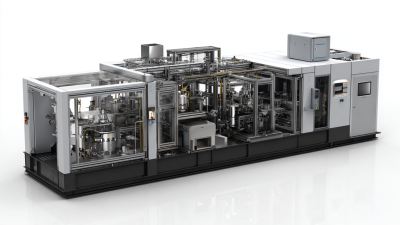
Thinking about getting a new roll compactor? Do some homework on the top manufacturers out there—because, honestly, the market isn’t exactly flooded with reliable options. You’ve got heavy hitters like Schenck Process, Wilson Engineering, and Gerteis Maschinen + Processengineering, and these guys really know their stuff. They bring tech that boosts efficiency and work across different industries, like pharma and food processing. That said, choosing the right manufacturer isn’t always straightforward. Every company has its perks, but they also have their downsides. For instance, Schenck Process is great if you're after integrated solutions, but their stuff might not fit every budget. Plus, many manufacturers tend to focus on just one part of the process, which can sometimes mean missing out on a full, all-in-one solution that actually covers everything you need.
So, before you decide, take some time to really figure out what your specific needs are. Doing this will help you pick a manufacturer that truly lines up with your production goals. Don’t rush it—making a quick call might end up costing you down the line. When you're vetting options, look for brands with solid track records and good customer support. And hey, it helps to check out what others in the industry are saying—positive feedback can tell you a lot.
Roll compactors play a crucial role in industries such as pharmaceuticals, chemicals, and food production. They compress powder into granules or tablets, improving processing efficiency. These machines are essential for producing uniformly sized particles, which enhances product quality. By reducing the bulk volume, roll compactors help in streamlining transport and storage.
The applications of roll compactors extend beyond granulation. They are also used in briquetting processes. This method allows for the creation of dense, manageable blocks of raw materials. It's fascinating how the same machine can serve multiple industries with varied requirements. However, selecting the right roll compactor is not always straightforward. Various factors, such as the material type and desired output size, must be considered.
Some common challenges include adjusting compression settings and maintaining consistency in the output. Operators often need training to effectively handle these machines. Without proper guidance, issues like uneven granule size can arise. This highlights the need for expertise in operation and maintenance for optimal performance.
When selecting a roll compactor, several factors come into play. The size and scale of your operations matter. A larger facility may require a heavy-duty model, while a smaller setup could benefit from a compact unit. Always assess your production capacity needs before making a choice.
Consider the material types you will be processing. Different materials behave uniquely under pressure. Some may need a higher force for effective compaction, while others may require a gentler approach. Testing samples can reveal how various materials respond.
When considering roll compactor manufacturers, it's essential to recognize their varying capabilities and specializations. Not all manufacturers offer the same features or quality in their machines. Some specialize in producing compactors suitable for pharmaceuticals, while others focus on food production or chemical industries. This diversity can greatly affect your purchasing decision.
Analyzing these manufacturers involves looking at factors such as durability, maintenance, and efficiency. It's also crucial to evaluate customer support and repair services offered by each company. Understanding these aspects can help you identify which manufacturer best aligns with your operational needs. Pricing structures can also differ significantly, making it important to assess the long-term value of your investment, not just the initial cost. Each aspect deserves careful consideration, as it impacts overall operational effectiveness.
In your research, pay attention to user feedback and expert reviews. These insights reveal potential shortcomings or advantages of various models. While some machines may excel in performance, others might have reliability issues. Taking the time to gather information will ensure a more informed choice, ultimately enhancing your production processes.
Innovative technologies in roll compactor design are shaping the future of manufacturing industries. These advancements enhance efficiency and product quality. Modern roll compactors feature improved hydraulic systems. This allows for better control over the compaction process. Precision in size reduction is critical, as it impacts the final product's quality.
Many manufacturers are now integrating digital monitoring systems. These systems provide real-time data on performance. Not only does this support proactive maintenance, but it also helps optimize production. Enhanced automation is making operations smoother and reducing downtime. Users can also expect to find energy-efficient models that lower operational costs.
**Tip:** When considering a roll compactor, focus on energy efficiency to save on long-term costs.
Despite the advancements, challenges remain. Some users struggle with adapting to new technologies. Training staff on these innovative systems is essential for maximizing efficiency. Pay attention to how new features align with your production goals.
**Tip:** Regularly assess your equipment's performance. This helps identify areas for improvement. Staying updated with new technologies can significantly enhance productivity.
Choosing the right roll compactor can be daunting. Customer reviews often provide insight into the reliability and performance of leading brands. Users frequently mention durability and efficiency as key factors. Many appreciate machines that have straightforward operations. However, some customers noted issues with customer service and troubleshooting.
Feedback often highlights the importance of machine maintenance. Regular upkeep can prevent many common problems. A few users shared their experiences with specific brands' manuals. They found them lacking in clarity. This led to confusion during setup. Such reviews remind potential buyers to seek out user-friendly products.
In addition, some customers reported challenges with spare parts availability. This can be frustrating if your machine needs repairs. Gathering opinions from a variety of sources is crucial. It allows prospective buyers to make informed decisions based on real-world experiences. Pay attention to common praises and concerns to guide your purchase.
When considering the purchase of roll compactors, cost is a significant factor. The initial investment may seem high, but the long-term benefits often outweigh the expense. It’s essential to evaluate the specific features required for your operation. Larger machinery may cost more, but they could save time and resources in the long run. Always compare warranty options. A robust warranty can reduce future repair costs significantly.
You might want to factor in additional expenses. Installation and maintenance are often overlooked. Quality training for operators is crucial as well. Lower-cost machines could lead to higher operational costs if they are not reliable or efficient. Sometimes the cheapest option is not the best choice. Make sure the compactors can handle your materials effectively. Conduct thorough research to find machines that suit your needs.
Finally, consider the energy consumption of different models. More efficient machines save money over time. However, make sure to analyze their performance under your working conditions. Not all compactors perform equally in various situations. Investing time in understanding these aspects could provide invaluable insights for your future purchase.
The roll compaction industry is evolving rapidly, driven by advancements in technology and rising efficiency demands. Manufacturers are investing in smarter machinery that offers better output and lower energy consumption. Automation features are becoming the norm, allowing for consistent quality and reduced labor costs.
As sustainability gains prominence, more firms are focusing on eco-friendly production practices. This shift often involves using recyclable materials and reducing waste during the compaction process. Companies are also exploring innovative approaches to minimize the carbon footprint of their operations.
However, challenges remain. Adapting to new technologies can be daunting for some manufacturers. The cost of updating equipment can be high, and not all companies are willing to make that leap. Additionally, training personnel to operate these advanced machines requires time and resources. These factors create a complex landscape for companies navigating future trends in the roll compaction industry.
: Consider the size of your operations and the material types you will process. Each has unique requirements.
Different materials behave differently under pressure. Some need more force, while others need gentler compaction.
Testing samples helps you understand how various materials respond to compaction. This ensures better outcomes.
Look for models with adjustable settings. This flexibility allows you to experiment with different materials effectively.
A well-maintained machine lasts longer and operates better. Neglecting maintenance can lead to poor performance.
Yes, modern roll compactors offer improved hydraulic systems, energy efficiency, and digital monitoring. These enhance productivity.
Staff may struggle to adapt to new technologies. Training is essential for maximizing efficiency and effectiveness.
Regularly assess your equipment's performance. This helps identify areas needing improvement and enhances productivity.
Good customer support ensures assistance when challenges arise. It can save time and improve operational efficiency.
User feedback reveals potential issues or strengths of different models. This information helps you make informed choices.
Roll compactors are essential machines used for densifying powders and granulates, applicable in various industries such as pharmaceuticals, food processing, and chemicals. When selecting a roll compactor, it is crucial to consider factors like capacity, material compatibility, and operational efficiency. A comparative analysis of roll compactor manufacturers reveals a variety of options, each equipped with innovative technologies aimed at enhancing performance and reliability.
Customer feedback plays a significant role in assessing the reputation of leading roll compactor brands, providing insights into user experiences and product efficacy. Furthermore, prospective buyers should evaluate cost considerations, balancing budget constraints with the long-term benefits of advanced compaction systems. As the roll compaction industry evolves, future trends indicate ongoing advancements in design and technology, promising more efficient and sustainable solutions from roll compactor manufacturers.