


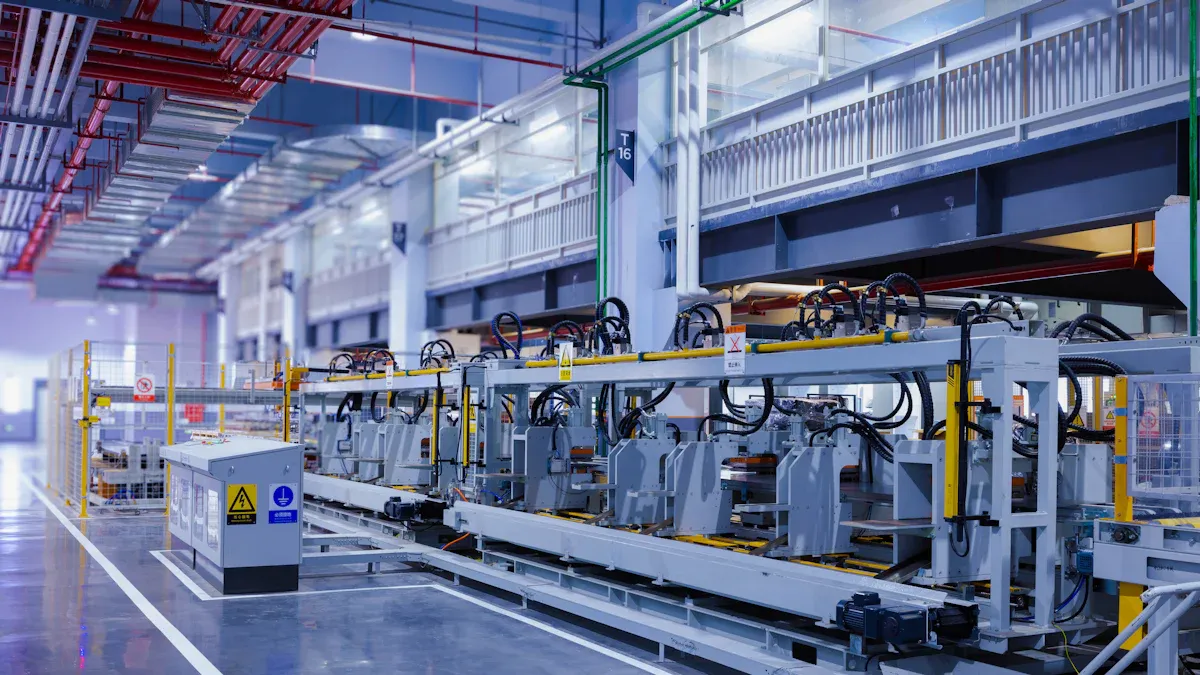
When I look for a Vacuum Blood Collection Tube Production Line, I always think about how reliability can affect every blood test. I have seen that about 70% of clinical decisions depend on lab test results. Even small errors, like hemolysis or clotting, can change a diagnosis.
| Clinical Decisions | Impact of Errors |
|---|---|
| 70% of clinical decisions depend on lab results | Errors like hemolysis and clotting lead to inaccurate outcomes |
I pay close attention to tube quality, dosing accuracy, and strong supplier support, because these matter more than just getting the lowest price. I focus on what really helps keep patients safe and labs accurate.
Key Takeaways
●Prioritize dosing accuracy and vacuum calibration to ensure reliable blood test results. Look for systems with less than 1% error margin and automated vacuum controls.
●Choose production lines with strong automation features. High-speed manufacturing and real-time quality checks reduce human error and improve efficiency.
●Verify regulatory certifications like ISO 13485, CE, and FDA. These ensure safety and quality, protecting your business from potential risks.
Key Criteria for a Vacuum Blood Collection Tube Production Line
Dosing Accuracy and Vacuum Calibration
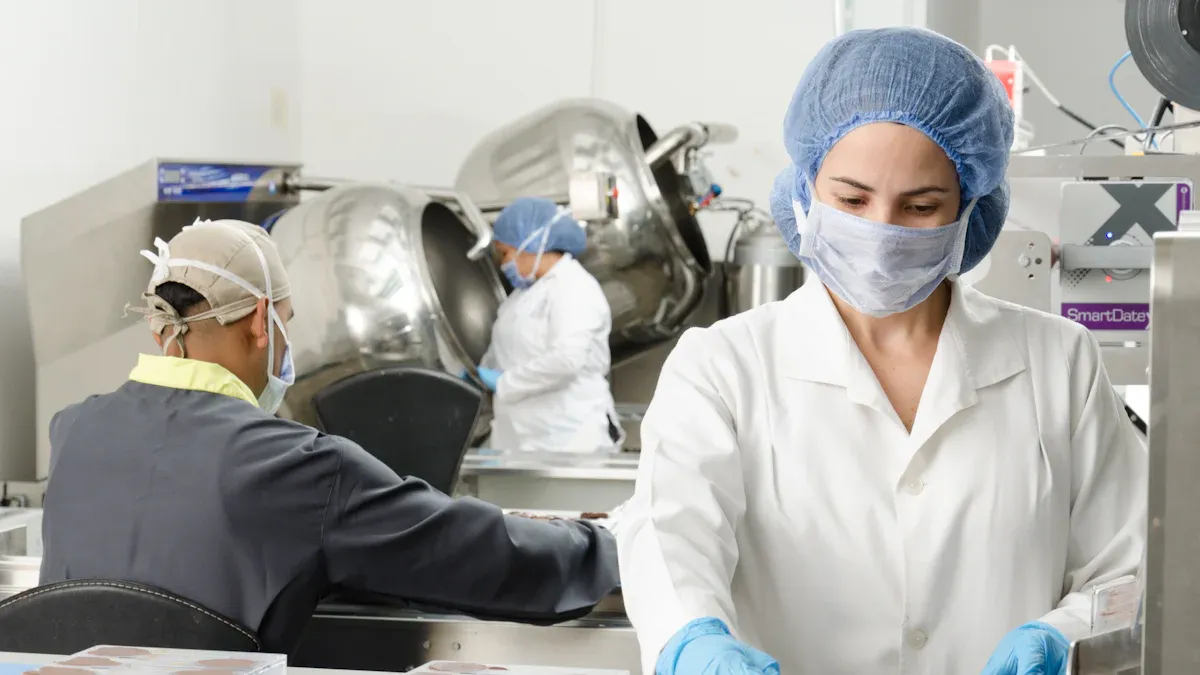
I always start my evaluation with dosing accuracy. Precise dosing matters because even a small error can affect test results. The industry standard for dosing accuracy in a Vacuum Blood Collection Tube Production Line requires an error margin of less than 1%. Manufacturers measure this as a percentage deviation from the target volume. For example, anticoagulants have an error tolerance of ±5% based on a 20μl volume, while sodium citrate needs ±3% based on a 100μl volume. These numbers show how important it is to get the dosing right.
Vacuum calibration is another critical factor. I look for fully automated systems that control negative pressure inside each tube. Automation reduces variability compared to manual methods. Specialized vacuum generation units help maintain consistent vacuum levels across batches. Inline inspection systems check for defects and verify vacuum seals. This process ensures that every tube meets the required standards.
Tip: I always check if the production line follows calibration protocols recommended by regulatory agencies. For example, adjusting suction calibration for high-altitude operations helps maintain the correct blood-to-additive ratio. Certified lines under CE and ISO 13485 standards usually offer this feature.
Automation and Production Capacity
Automation plays a big role in reducing human error and boosting efficiency. I prefer production lines that use high-speed tube manufacturing and real-time quality checks. Automated additive dosing guarantees precise amounts in each tube. Cap sealing automation lowers the risk of improper sealing, which improves reliability.
Here is a table that shows the benefits of automation:
| Automation Benefit | Description |
|---|---|
| High-speed tube production | Enables rapid manufacturing with minimal delays. |
| Real-time quality checks | Ensures immediate detection of defects during production. |
| Vision systems for defect detection | Automatically identifies and removes defective tubes. |
| Automated additive dosing | Guarantees precise amounts of additives in each tube. |
| Cap sealing automation | Reduces the risk of improper sealing, enhancing reliability. |
| Predictive maintenance | Prevents equipment failures, ensuring continuous operation. |
I also look for lines that can handle various tube specifications and components. Flexibility in production means I can meet different customer needs without changing the whole setup.
Quality Control and Vision Inspection
Quality control is essential in any Vacuum Blood Collection Tube Production Line. I avoid lines that rely on outdated manual batch testing. Common causes of quality control failures include improper vacuum levels, incorrect additive volumes, and structural defects. Automated visual inspection checks fill levels, gel positioning, and cap integrity. Tubes that fail inspection are automatically ejected, so only quality products move forward.
Vision inspection systems have improved yield rates to 99.7% or higher. This means fewer defects and better production quality. Automated final packaging streamlines the process for sterilization and distribution.
Note: I always ask suppliers about their inline inspection systems. Continuous quality assurance helps catch problems early and keeps the production line running smoothly.
Compliance, Flexibility, and Supplier Support
Regulatory Certifications (ISO 13485, CE, FDA)
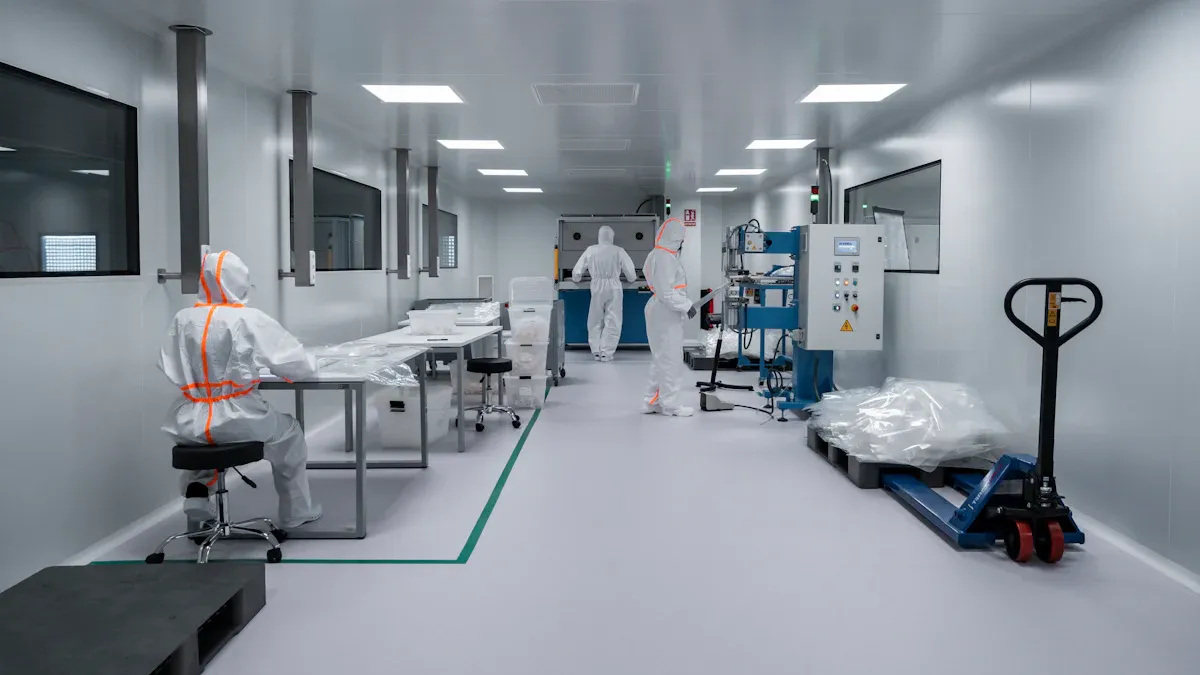
When I choose a Vacuum Blood Collection Tube Production Line, I always check for international certifications. These certifications prove that the equipment meets strict safety and quality standards. Without them, I risk product recalls, legal trouble, and even patient harm. Here is a table that helps me compare the most important certifications:
| Certification | Description |
|---|---|
| ISO 13485 | Ensures quality management systems for medical devices, crucial for production compliance. |
| FDA Registration | Required for products intended for the U.S. market, ensuring safety and efficacy. |
| CE Marking | Indicates compliance with European health, safety, and environmental protection standards. |
I know that ISO 13485 shows high manufacturing standards. CE marking is a must for Europe. FDA approval is key for the U.S. market. These certifications open doors to global markets and keep my products safe.
Tip: Compliance is not just for show. It protects my business from recalls, health risks, and legal penalties.
Flexibility and Future Expansion
I look for production lines that can adapt to different tube sizes and additives. A modular design lets me change or upgrade parts as my needs grow. This flexibility helps me avoid buying a whole new system when I want to expand. I prefer lines that support 2ml–10ml glass or PET tubes and work with additives like EDTA, heparin, and gel. Fast changeovers save me time and money.
| Feature | Benefit |
|---|---|
| Modular design | Easy upgrades and reconfiguration |
| Supports various tubes | Handles different sizes and materials |
| Precision additive dosing | Accurate results for many test types |
Flexible systems help me stay ready for new market demands.
Supplier Support and After-Sales Service
Strong supplier support makes a big difference in my daily operations. I always choose suppliers who offer more than just equipment. They help with facility setup, cleanroom layouts, and even injection molding for caps and tubes. Good suppliers provide installation, operator training, and ongoing maintenance. They also give me clear documentation and help with validation tests like FAT and SAT.
Never accept delivery without proof that the equipment works as promised. I always demand structured validation before I start production.
Comprehensive after-sales service keeps my line running smoothly and reduces downtime. This support protects my investment and ensures I meet quality standards every day.
I always focus on quality, precision, compliance, flexibility, and supplier support when I choose a production line. I use a checklist and talk with certified vendors. Reliable lines give long-term savings:
| Aspect | Benefit |
|---|---|
| Increased Efficiency | Faster production and higher output |
| Lower Labor Costs | Less manual work, more savings |
| Improved Quality | Fewer defects, less waste |
FAQ
What certifications should I check before buying a production line?
I always look for ISO 13485, CE, and FDA certifications. These show the equipment meets international safety and quality standards.
How do I ensure dosing accuracy in my production line?
I ask suppliers for dosing error reports. I check if the system uses automated dosing and inline inspection to maintain accuracy.
What after-sales support should I expect from suppliers?
I expect installation help, operator training, maintenance, and clear documentation. Good suppliers also assist with validation tests like FAT and SAT.
Post time: Jul-20-2026