


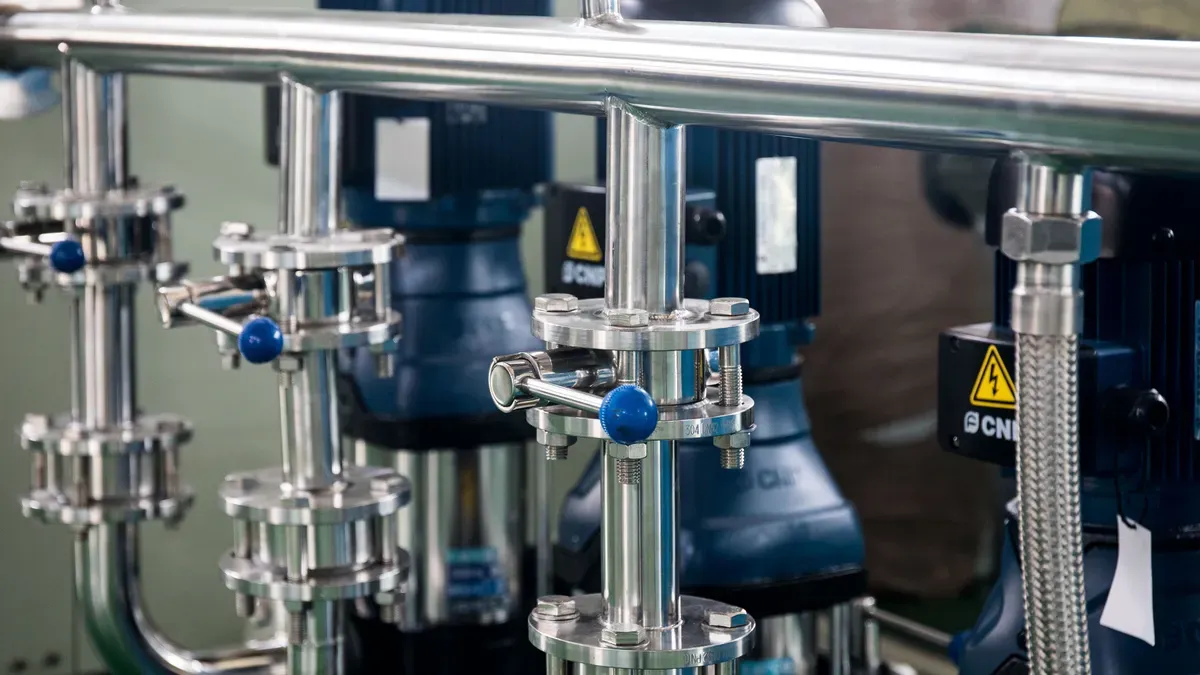
I see daily maintenance as the key to reliable performance for any Ampoule Sealing Machine. I experience fewer unexpected stops and better product quality when I follow a set routine.
| Benefit | Description |
|---|---|
| Reduced Downtime | Stable output with fewer unexpected stops. |
| Improved Product Quality | Fewer rejects and less manual correction. |
Key Takeaways
●Daily maintenance routines reduce unexpected machine stops and improve product quality.
●Regular cleaning and inspection of sealing jaws prevent contamination and ensure efficient sealing.
●Keeping a detailed maintenance log helps track tasks and identify recurring issues quickly.
Daily Maintenance Checklist
A daily maintenance checklist keeps my Ampoule Sealing Machine running smoothly and safely. I always follow a set routine to catch small problems before they become big ones. Here are the steps I take every day:
Temperature and Pressure Checks
I start my shift by checking the temperature and pressure settings. This helps me avoid poor seals or product loss. I use the following table to guide my checks:
| Process | Temperature Range (℃) |
|---|---|
| Forming Process | 130-150 |
| Tail Sealing Process | 110-130 |
I make sure the readings stay within these ranges. If I notice any changes, I adjust the settings right away.
Sealing Jaw Inspection
Next, I inspect the sealing jaws. I look for residue or product buildup, which can stop the Ampoule Sealing Machine from making good seals. I also check for signs of contamination or timing issues. Sometimes, high speeds cause the product not to settle before the jaws close. I slow down the machine if I see this problem.
Tip: A quick wipe and visual check of the jaws can prevent sealing failures and keep the machine efficient.
Cleaning Schedule
I always follow a strict cleaning schedule. After each use, I clean and sanitize all surfaces, especially where glass can break or collect. This prevents contamination and keeps the Ampoule Sealing Machine safe for the next batch. I use only the cleaning solutions recommended by the manufacturer.
I finish my checklist by running the machine under full load, listening for abnormal sounds, and checking filling accuracy. I document all actions in the maintenance log. This routine helps me spot issues early and keeps production on track.
Cleaning the Ampoule Sealing Machine
Cleaning Jaws and Surfaces
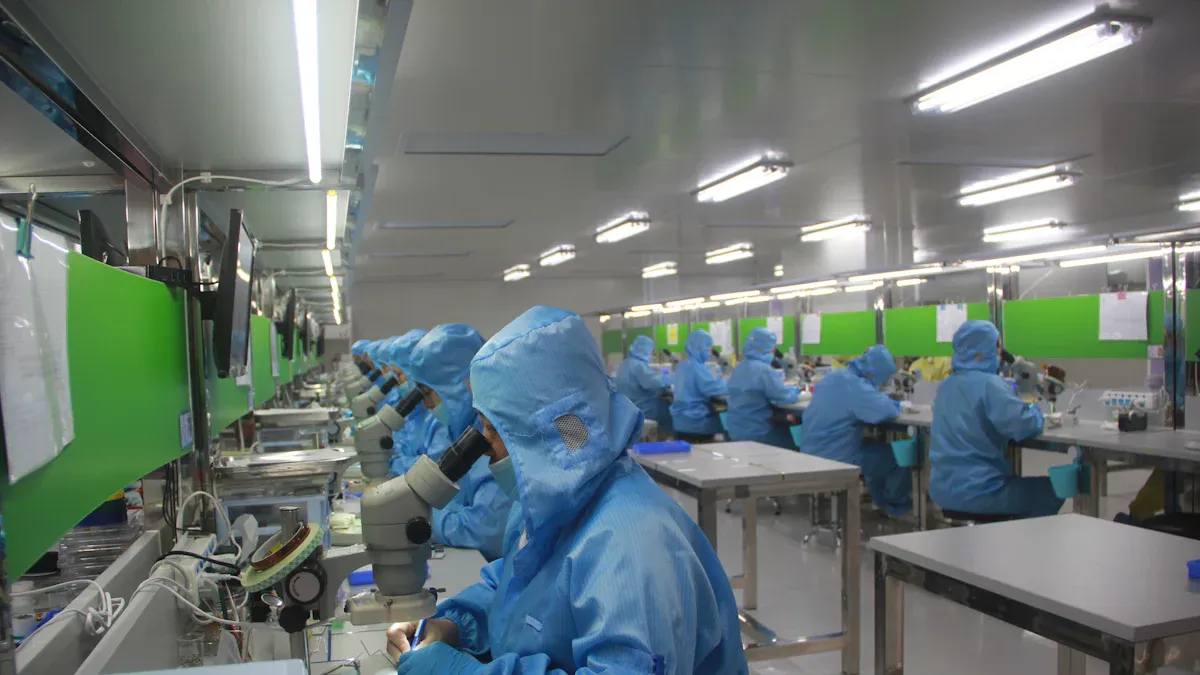
I always start by cleaning the jaws and surfaces of my Ampoule Sealing Machine. I use a soft, lint-free cloth to wipe away dust and residue. I check the heating elements, belts, and pressure components for any buildup. I find that regular cleaning keeps the machine free from foreign bodies and helps prevent contamination.
●I clean sealing surfaces every day.
●I inspect all moving parts for leftover product.
●I document each cleaning in my maintenance log.
Note: Clean jaws make a big difference in sealing quality. Even a small amount of residue can cause poor seals or leaks.
Using Recommended Solutions
I never use harsh chemicals on my Ampoule Sealing Machine. I follow the manufacturer’s instructions and choose only non-abrasive cleaning solutions. These solutions protect the surfaces and keep the machine in good condition. I avoid anything that could scratch or damage the sealing jaws. This habit helps me maintain consistent product quality.
Removing Residual Product
After each production run, I look for leftover product inside the machine. I remove any glass fragments or liquid that might have spilled. I pay special attention to corners and hard-to-reach spots. Keeping the Ampoule Sealing Machine free from residual product reduces the risk of contamination and keeps the next batch safe.
Inspect and Replace Worn Parts
Identifying Wear and Damage
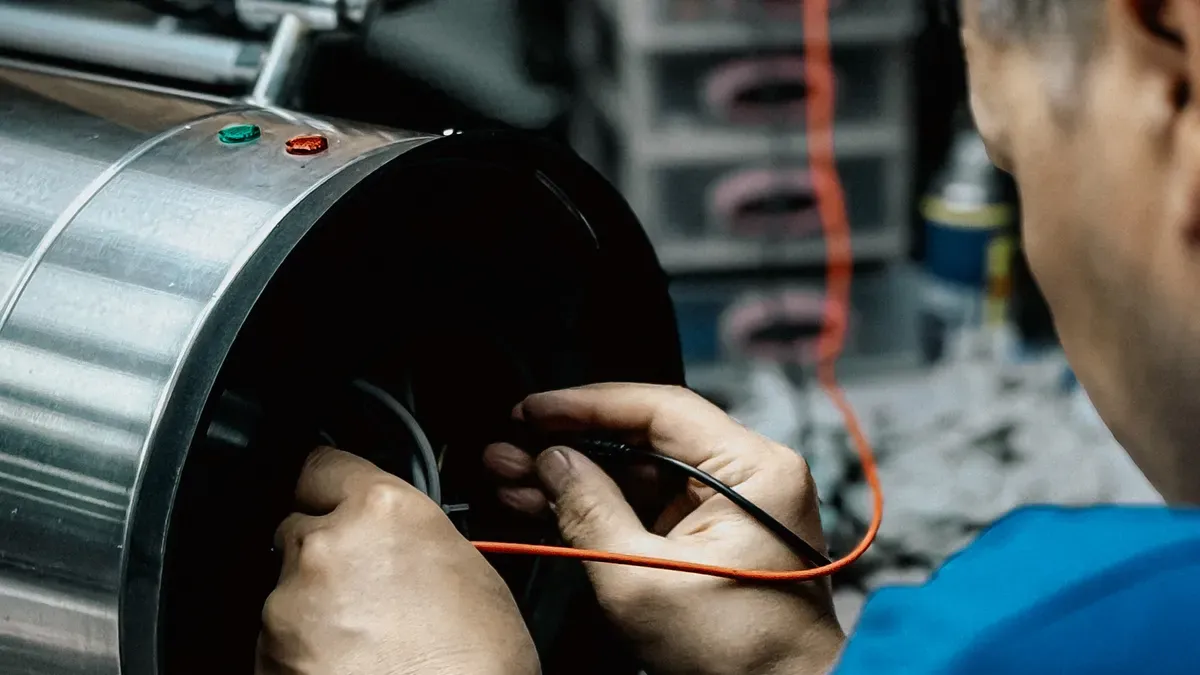
I check my Ampoule Sealing Machine every day for signs of wear. I look at the moving parts, especially the sealing jaws, gaskets, and seals. I search for cracks, discoloration, or rough edges. I also listen for unusual noises when the machine runs. If I see any leaks or notice the machine does not seal properly, I know something needs attention. I use a flashlight to see small details in tight spaces. I believe early detection helps me avoid bigger problems later.
Replacing Gaskets and Seals
I do not wait for a breakdown before I replace gaskets and seals. I follow a schedule to keep everything in top shape. The table below shows how often I change these parts:
| Maintenance Activity | Frequency |
|---|---|
| Replace sealing rings | Every 3 to 6 months |
I keep track of the last replacement date in my maintenance log. I always use parts recommended by the manufacturer. This habit keeps my Ampoule Sealing Machine running smoothly and prevents leaks.
Tip: Fresh gaskets and seals help maintain proper pressure and temperature. This leads to better product quality.
Keeping Spare Parts Ready
I keep a small stock of spare parts in my workshop. I store extra gaskets, seals, and sealing rings in labeled containers. I check my inventory every month and order new parts before I run out. This practice saves time during repairs and keeps production on schedule. I believe being prepared makes my work easier and less stressful.
Lubricate Moving Parts
Lubrication Points
I always pay close attention to the moving parts on my Ampoule Sealing Machine. These parts include the conveyor chains, guide rails, and the bearings inside the sealing unit. I check each point for signs of dryness or squeaking. I know that regular lubrication helps prevent friction and wear. I follow a set schedule to keep every moving part in top condition. Here is what I do each day:
●I inspect all lubrication points before starting the machine.
●I apply lubricant to the conveyor chains and guide rails.
●I check the bearings for smooth movement.
●I wipe away any excess lubricant to avoid attracting dust.
I keep a log of every lubrication activity. This habit helps me stay consistent and spot any missed points quickly.
Correct Lubricant Use
I never use just any oil or grease on my Ampoule Sealing Machine. I always choose lubricants recommended by the manufacturer. These products protect the machine and prevent contamination. I read the labels and follow the instructions for each type of lubricant. I avoid over-lubricating because too much oil can drip onto the ampoules. I also make sure to store lubricants in a clean, dry place.
Tip: Using the right lubricant at the right interval keeps the machine running smoothly and extends its life.
I believe that careful lubrication is one of the simplest ways to avoid breakdowns and keep production on schedule.
Calibration and Software Checks
Calibration of Filling and Sealing
I always make calibration a priority in my daily routine. I check the filling volume and sealing parameters before every shift. I use the machine’s built-in calibration tools to test accuracy. I know that regular calibration, at least once a month, protects product quality. When I set up the machine, I pay close attention to the parameter settings. Incorrect calibration or wrong settings can cause big errors. I have seen how even a small mistake can lead to underfilled or overfilled ampoules. This affects the quality and safety of the product. I run a test batch and measure the ampoule volumes. If I find any deviation, I adjust the settings right away.
Tip: Accurate calibration keeps the filling machine reliable and prevents costly rejects.
I keep a record of every calibration in my maintenance log. I use this log to track trends and spot recurring issues. I believe that meticulous calibration practices help me avoid problems and maintain high standards.
System Diagnostics
I run system diagnostics every day. I use the machine’s software to check for errors or alerts. I look at the sensor readings and review the error logs. I know that software checks help me catch hidden issues before they cause breakdowns. I update the software when the manufacturer releases new versions. I follow the instructions and make sure the system stays secure and efficient.
●I check for software updates weekly.
●I review error logs after each shift.
●I test all sensors and alarms.
Note: Regular diagnostics keep the ampoule filling production line safe and efficient.
I believe that combining calibration and software checks gives me confidence in the machine’s performance. This routine helps me deliver consistent product quality every day.
Operator Training and Documentation
I believe that well-trained operators make a big difference in the daily care of an ampoule filling production line. I always make sure I understand every part of the machine before I start my shift. I read the manual, watch training videos, and ask questions when I need help. I also attend refresher courses when my company offers them. This training helps me spot problems early and handle the equipment safely.
Maintenance Logs
I keep a detailed maintenance log every day. I write down every check, cleaning, and repair I perform. I include the date, time, and any parts I replace. I use a simple table to organize my notes:
| Date | Task Performed | Parts Replaced | Notes |
|---|---|---|---|
| 2024-06-01 | Cleaned sealing jaw | None | No residue found |
| 2024-06-02 | Lubricated bearings | None | Bearings smooth |
This log helps me remember what I have done and spot patterns over time. I review it before each shift. I find that a good log saves time and prevents mistakes.
Reporting Issues
When I notice a problem, I report it right away. I do not wait for the issue to get worse. I use a clear process:
1.I write down the problem in my log.
2.I tell my supervisor or maintenance team.
3.I mark the machine if it needs repair.
Tip: Quick reporting keeps everyone safe and the production line running smoothly.
I believe that good communication and careful documentation help me keep the ampoule filling production line in top shape.
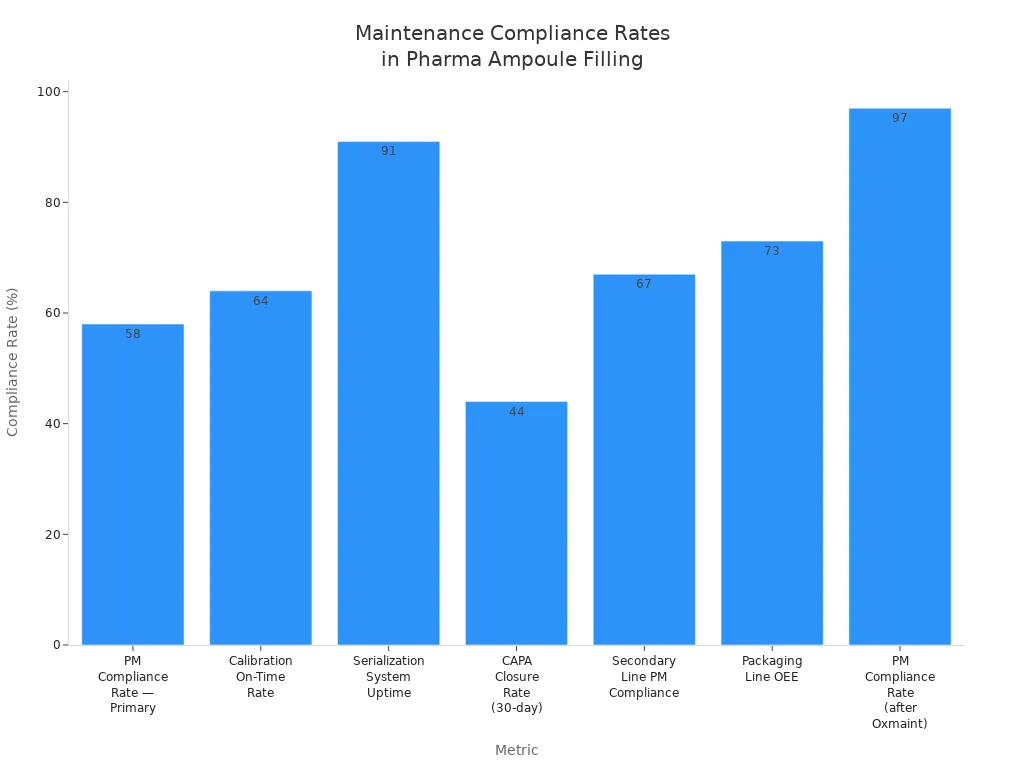
I see daily maintenance as the best way to prevent breakdowns and keep product quality high. When I follow a routine, I avoid costly downtime and improve efficiency.
●Routine maintenance keeps my ampoule sealing machine running smoothly.
●Timely part replacement extends equipment life.
| Benefit | Description |
|---|---|
| Minimized production risk | I reduce losses and maximize performance. |
| Predictable costs | I plan my budget with fewer surprises. |
I stay committed to high standards every day.
FAQ
How often should I clean the ampoule filling machine?
I clean my machine every day after use. This habit keeps the equipment safe and prevents contamination.
What should I do if I hear unusual noises during operation?
I stop the machine right away. I check for loose parts or wear. I report the issue to my supervisor for a quick fix.
Can I use any lubricant for moving parts?
●I always use lubricants recommended by the manufacturer.
●Using the wrong product can damage the machine or contaminate ampoules.
Post time: Jul-02-2026