


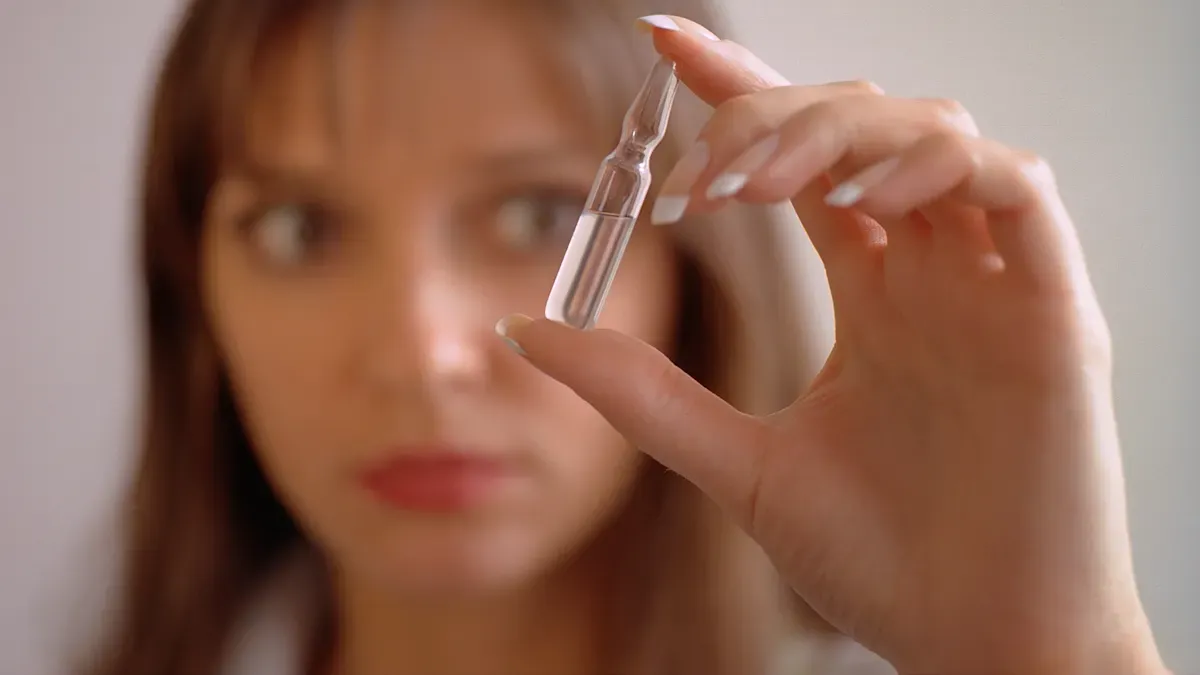
A complete ampoule filling production line includes ampoule arrangement, washing, sterilization, filling, nitrogen filling, and sealing. Specialized equipment, such as the ampoule sealing machine, helps maintain sterility and precision. Accurate processes and strict contamination prevention protect pharmaceutical quality and patient safety throughout each step.
Key Takeaways
- A complete ampoule filling production line includes essential steps like washing, sterilization, filling, and sealing to ensure medicine quality and safety.
- Ultrasonic washing effectively cleans ampoules without harsh chemicals, preserving their integrity and reducing contamination risks.
- Automated inspection systems enhance quality control by detecting defects in real-time, ensuring only safe and sterile products reach patients.
Ampoule Preparation and Sterilization
Arranging and Feeding Ampoules
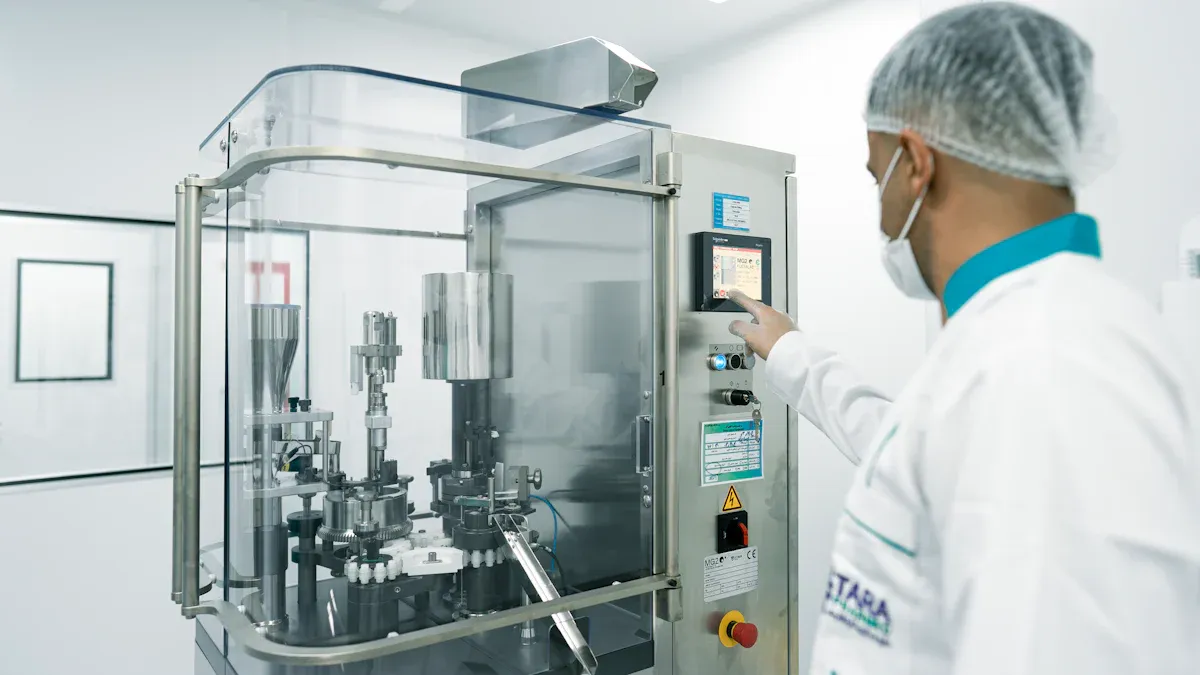
Ampoule production lines begin with arranging and feeding empty ampoules. Automated systems use advanced technology to handle these delicate glass containers. Robotic arms, pick-and-place systems, and vibratory bowl feeders are common. These machines grip ampoules with clamps or suction cups and place them into the correct position. Visual inspection systems check for defects and ensure proper alignment. This step is important for high-speed and high-precision operations. Tray-based loading and custom feeders with smart cameras also help maintain efficiency and accuracy.
Tip: Proper arrangement reduces the risk of breakage and ensures smooth movement through the line.
Ultrasonic Washing Process
Washing is a critical step before sterilization. Ultrasonic washing uses high-frequency vibrations to remove dust, particles, and residues from ampoules. This method cleans even hard-to-reach areas and is gentle on the glass. The process also reduces the need for harsh chemicals and saves energy. The table below compares ultrasonic washing with traditional methods:
| Feature | Ultrasonic Washing | Traditional Washing |
|---|---|---|
| Cleaning Effectiveness | High, even in hard-to-reach areas | Moderate, may miss some areas |
| Energy Efficiency | More energy-efficient | Less efficient |
| Chemical Usage | Reduces need for harsh chemicals | Often requires more chemicals |
| Consistency in Cleaning | Consistent results | Varies by operator skill |
| Impact on Delicate Items | Gentle, preserves integrity | Can damage delicate items |
Regulations require validated washing to remove contaminants and pyrogens. Proper washing prevents contamination and supports aseptic processing.
Sterilizing Drying Machine
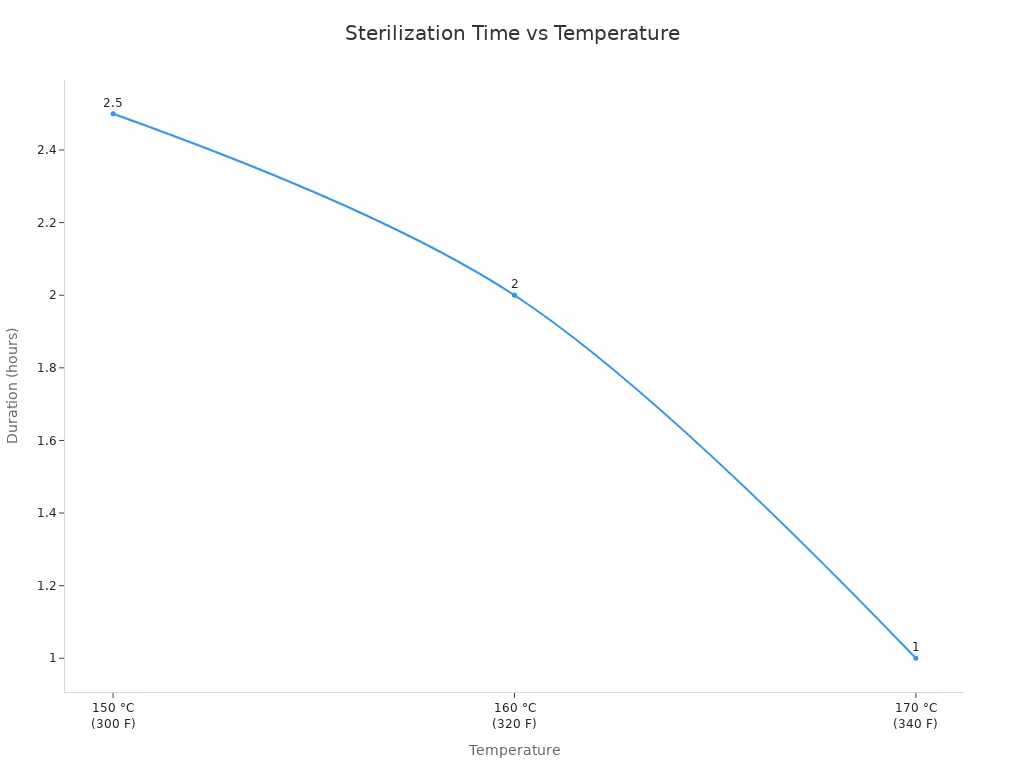
After washing, ampoules move to the sterilizing drying machine. The AKDH series hot air circulation tunnel is widely used. It dries, sterilizes, and removes pyrogens from ampoules. The process uses high temperatures for set times:
| Equipment Type | Functionality | Sterilization Temperature and Time |
|---|---|---|
| AKDH series hot air circulation sterilization tunnel | Drying, sterilization, and pyrogen removal of ampoules | 170 °C for 1 hour, 160 °C for 2 hours, 150 °C for 2.5 hours |
A sterile environment and validated equipment are essential for pharmaceutical safety and quality.
Filling and Sealing Processes
Filling Mechanism and Nitrogen Filling
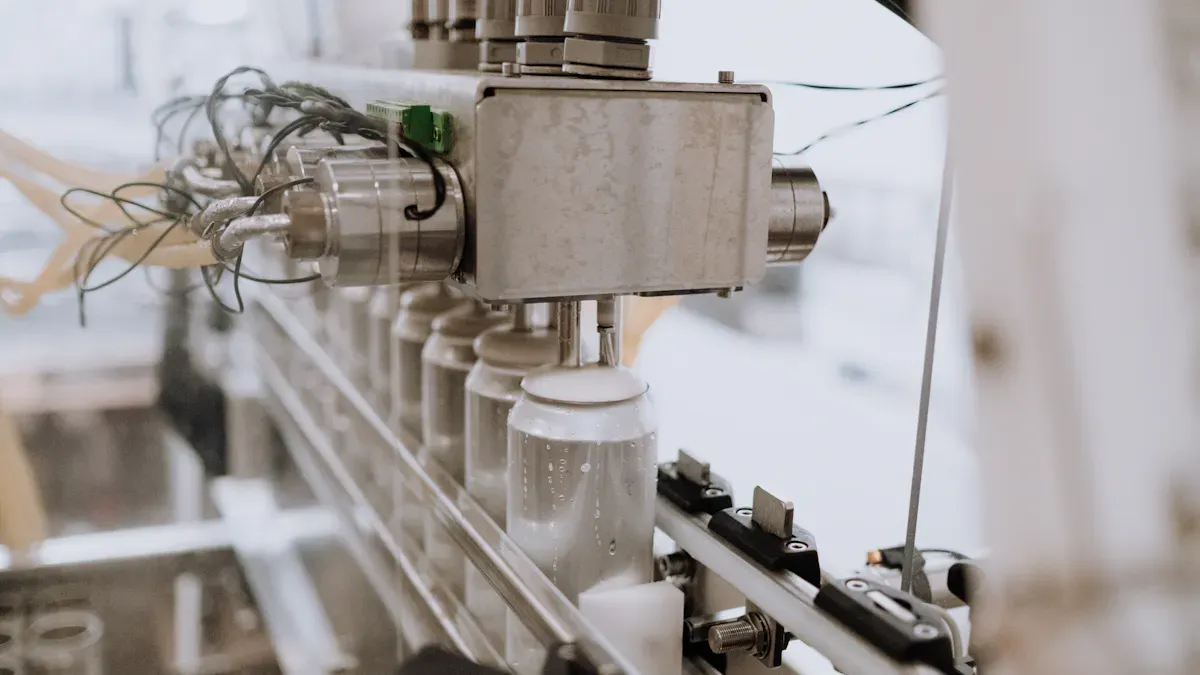
Ampoule filling lines use advanced mechanisms to ensure each ampoule receives the correct amount of liquid. The most common filling mechanisms include volumetric, syringe, piston pump, and peristaltic pump systems. Each type offers unique benefits for accuracy and product safety.
| Filling Mechanism | Impact on Fill Accuracy |
|---|---|
| Volumetric | Ensures precise measurement and dispensing of liquid into ampoules. |
| Syringe | Provides accurate dosing through calibrated processes. |
| Piston Pump | Achieves a filling tolerance level of +/- 0.5%. |
| Peristaltic Pump | Minimizes foaming and splashing, maintaining drug integrity. |
Automated ampoule fillers can achieve high precision. For example, a piston pump can fill a 50 ml ampoule with a variation of only ±0.25 ml. This level of accuracy is important for medicines that require exact dosages.
Nitrogen filling is another key step. After the liquid is dispensed, a short burst of nitrogen gas is added. This process removes oxygen from the ampoule headspace. It helps protect sensitive drugs from oxidation and extends shelf life. Nitrogen filling also reduces the risk of contamination by creating a protective barrier before sealing.
Laminar Airflow and Contamination Prevention
Maintaining a sterile environment is essential during the filling process. Laminar airflow systems play a major role in keeping the air clean. These systems push filtered air in a single direction over the ampoules. This unidirectional flow prevents dust and microbes from settling on open containers.
Best practices for contamination prevention include:
- Good Manufacturing Practices (GMP) ensure quality and safety.
- Facility design supports unidirectional airflow to reduce contamination risks.
- Equipment qualification and maintenance keep machines working properly.
- Personnel training teaches workers how to handle ampoules without introducing germs.
- Batch record documentation tracks every step for accountability.
- Quality control and testing check for sterility and other important factors.
Laminar airflow reduces the microbial load by creating a sterile zone around the ampoule filling area. This helps protect the medicine from airborne particles and keeps the process safe for patients.
Note: Regular checks and proper training are vital for maintaining sterility throughout the production line.
Ampoule Sealing Machine and Methods
The ampoule sealing machine is a critical part of the production line. It closes each ampoule to keep the medicine sterile and stable. There are several types of ampoule sealing machines used in the pharmaceutical industry. These include automatic ampoule filler sealers, closed ampoule filling machines, onion skin ampoule filler sealers, and high-speed ampoule filling and sealing machines. Each type is designed for different production needs and ampoule styles.
The ampoule sealing machine uses different methods to create a strong seal. The two main methods are tip seal and pull seal.
| Method | Description | Seal Integrity |
|---|---|---|
| Tip Seal | Ampoule is positioned upright; tip is heated to create a rounded bead seal. | Good for standard products with minimal headspace. |
| Pull Seal | Neck is warmed longer; upper part is peeled off to form a tight seal. | Excellent integrity, ideal for injectables and sensitive reagents. |
The tip seal method heats the ampoule tip until it forms a rounded bead. This method works well for most medicines. The pull seal method heats the neck for a longer time and then pulls off the top. This creates a tighter seal, which is important for injectables and sensitive products.
Many production lines use high-speed ampoule sealing machines to meet large-scale demands. These machines can fill and seal hundreds of ampoules per minute. Closed ampoule filling machines are used for products that must not touch the outside air, such as vaccines and biological medicines.
The ampoule sealing machine ensures that each ampoule is closed securely. This step protects the medicine from contamination and keeps it safe until it reaches the patient.
Quality Control and Final Inspection
In-Process Quality Checks
Quality control begins during the ampoule filling and sealing process. Production lines use strict inspection procedures to ensure every ampoule meets pharmaceutical standards. Automated inspection devices scan each ampoule for cracks, chips, or other flaws. These systems use camera-based technology and multi-camera setups to analyze ampoules from every angle. Deep learning methods, such as neural networks and YOLOv8 models, help spot even the smallest defects in real time.
| Quality Control Measure | Description |
|---|---|
| Inspection Procedures | Stringent inspection ensures ampoules are free of flaws and contaminants. |
| Automated Inspection Devices | Detects minute fractures or anomalies to guarantee high-quality ampoules. |
| Sterile Environment | Maintains sterility to prevent contamination during filling and sealing. |
| Precision in Filling | Ensures accurate dosage and consistent quality across all batches. |
Aseptic process simulation (APS) is required by regulators. This process tests the ability of the production line to prevent contamination. Inline and end-of-line inspections help catch defects early and protect the entire batch.
Tip: Automated inspection not only improves accuracy but also reduces human error and labor costs.
Final Inspection and Packaging
Before packaging, each ampoule passes through a final inspection. Multi-functional inspection systems use advanced cameras to achieve 100% inspection accuracy. These systems check for packaging defects, label placement, barcode validity, seal integrity, and fill levels. Automated inspection can process thousands of ampoules per hour, ensuring only safe products reach patients.
| Procedure Type | Description |
|---|---|
| Cleaning Procedures | Automated systems remove up to 95% of contaminants from components. |
| Automated Inspection | Checks for defects in up to 5,000 ampoules per hour. |
| Fault Detection | Uses deep learning for real-time defect detection. |
| Validation & Monitoring | Ensures compliance with GMP guidelines and regular process validation. |
Ampoules are usually packaged in trays or boxes. Most ampoules use Type I borosilicate glass, which offers high chemical resistance and stability for sensitive drugs. Proper packaging protects the product during transport and storage, maintaining safety and quality.
A complete ampoule filling production line combines precise steps to protect medicine quality.
- Automated inspection systems check each ampoule for defects.
- Quality control ensures sterile, accurately filled, and sealed ampoules.
- The Ampoule Sealing Machine keeps products safe for patients.
| Evidence Point | Description |
|---|---|
| Prevents Contamination Before Sterilization | Washing removes contaminants from glass containers, ensuring that sterilization is effective and reliable. |
| Enables Effective Aseptic Processing | Ensures that containers are adequately cleaned to maintain a sterile environment during the filling process. |
FAQ
What is the main purpose of an ampoule sealing machine?
The ampoule sealing machine closes ampoules tightly. This step keeps medicine sterile and safe for patients.
How does ultrasonic washing help in ampoule production?
Ultrasonic washing removes dust and particles. It uses sound waves to clean glass surfaces without damaging them.
Why is nitrogen filling important in ampoule lines?
| Benefit | Description |
|---|---|
| Prevents Oxidation | Nitrogen protects the medicine. |
| Extends Shelf Life | Medicine stays fresh longer. |
Post time: May-21-2026