


Picking the right vaccine filling machine is actually a pretty big deal for any pharma company out there. Dr. Emily Chen from BioPharma Solutions often says that when it comes to vaccine production, efficiency and accuracy are absolutely everything. And honestly, with the demand for vaccines just keepin’ on growing, choosing the right machine isn’t something you can take lightly.
A lot of companies are really feeling the heat when it comes to the vaccine supply chain—stuff gets stressful! But if you pick a filling machine wisely, it can really help smooth out the entire process and lower your risks. Things like how fast it works, how precise it is, and how easy it is to maintain should be at the top of the list. Still, a lot of folks forget to check if the machine works well with different vial sizes or the materials you plan on using.
Figuring out which vaccine filling machine to go for isn’t just a quick decision. You gotta do your homework—research different manufacturers, compare different tech options. And don’t forget, quality assurance is key. Even tiny mistakes can turn into big problems down the line. Taking a bit of time to think it all through can really make a huge difference, helping you hit your production targets while keeping everything safe and sound.

Understanding Vaccine Filling Machines and Their Importance

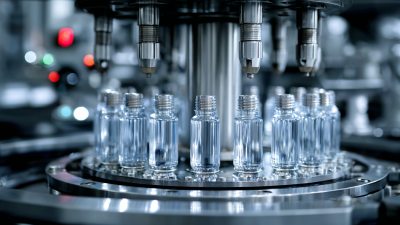
Vaccine filling machines play a crucial role in ensuring the safe and efficient distribution of vaccines. These machines are designed to fill vials with liquid vaccines under sterile conditions. The accuracy of filling is critical; any error could lead to wastage or ineffective doses. Thus, the technology behind these machines must be precise and reliable.
Selecting the right vaccine filling machine requires a deep understanding of various factors. The fill volume, speed, and sterilization methods are essential aspects to consider. Machines must maintain a consistent output while adhering to strict health regulations. Insights from experienced professionals in the industry can guide this decision-making process. Facilities often encounter challenges during the selection, such as balancing budget with requirements.
It’s important to assess the long-term implications of the chosen machine. Sometimes, initial investments in high-quality equipment lead to greater savings over time. Yet, not all machines are future-proof. Vaccine technology evolves, so compatibility should also be considered. Regular evaluations and reflections on machine performance help in continuous improvement and adaptation to new requirements.

Innovative Solutions for Efficient Syrup Packaging: A Guide to Syrup Washing, Filling, and Capping Machines
In the rapidly evolving beverage industry, efficient syrup packaging has become paramount for manufacturers aiming to streamline operations while maintaining high standards of quality. Central to this process is the Syrup Washing Filling Capping Machine, designed with integrated functionality to wash, fill, and cap syrup bottles in a single compact unit. This innovative design not only minimizes the space required for equipment but also significantly cuts down on labor costs with fewer operators needed to manage the system.
According to industry reports, the beverage packaging machinery market is projected to grow substantially, driven by the demand for efficiency and automation. The Syrup Washing Filling Capping Machine addresses these trends with features such as air and ultrasonic washing capabilities, which ensure that every bottle is thoroughly cleaned before filling. Furthermore, the machine supports both dry and liquid syrup filling, making it versatile for different product types. This adaptability, combined with a compact structure, allows manufacturers to optimize their workflow and reduce investment costs, leading to increased profitability.
As syrup producers continue to seek ways to enhance their packaging operations, the integration of advanced machinery like the Syrup Washing Filling Capping Machine positions them to respond efficiently to market demands. Enhanced production capabilities combined with a reduced footprint provide businesses with a competitive edge, ultimately resulting in a more streamlined supply chain and improved customer satisfaction.

FAQS
: Various types exist, including aseptic filling machines and rotary filling machines. Each serves different needs.
Aseptic filling ensures sterility during the process. It prevents contamination and maintains vaccine integrity.
Consider the vaccine type, production capacity, and required compliance standards. Each varies based on specific needs.
Smaller machines suit small batches but may operate slower. Larger machines provide speed but come with higher costs.
Compliance is crucial to meet safety standards. Non-compliance can lead to recalls or financial losses for manufacturers.
Accurate filling is essential to meet volume requirements. Deviations can compromise the vaccine's efficacy and reliability.
They simplify operations but may lack advanced features. Reflecting on the trade-offs is necessary for efficiency.
Outdated equipment can cause inconsistencies in filling. Continuous improvement in technology is needed for better performance.
Machines that handle various vial sizes allow quick adaptation to changing needs. This versatility is often crucial in production.
It's expected to reach $63.3 billion by 2025, reflecting increasing demand and associated challenges in quality maintenance.
Conclusion
Choosing the best Vaccine Filling Machine is crucial for ensuring the efficient production of vaccines. Understanding the importance of these machines involves recognizing their key features, such as accuracy, speed, and sanitation capabilities. Various types of Vaccine Filling Machines are available in the market, each designed to meet different production needs. When choosing one, factors such as production capacity, compatibility with different vaccine types, and regulatory compliance must be considered.
Budget considerations also play a significant role in the decision-making process, as investing in a high-quality Vaccine Filling Machine is essential for maintaining the integrity of the filling process. Compliance with quality standards is critical to ensure the safety and efficacy of vaccines. Lastly, evaluating the reputation of the manufacturer and the support services they offer can greatly influence the overall success of your vaccine production efforts.
Related Posts
-
Unlocking Efficiency: The Transformative Benefits of Blow Fill Seal Machines in Modern Manufacturing
-

Pen Injector Assembly Line Tips for Efficient Production?
-

2026 Best Single Dose Packaging Machines for Global Buyers?
-

2026 How to Choose the Best Pharmaceutical Liquid Filling Machine?
-

Top Pharmaceutical Liquid Filling Machines in China for Global Buyers?
-

Top Pharmaceutical Liquid Filling Machines at the 139th Canton Fair?
